Kenya’s transition to the Social Health Authority (SHA) is accelerating investment in healthcare infrastructure, with hospitals upgrading equipment, digital systems and diagnostics to meet the demands of the country’s new health financing model.
The reforms, which replaced the National Hospital Insurance Fund (NHIF), have provided healthcare facilities with a clearer framework for reimbursement, prompting many to modernise their operations ahead of increased service demand.
According to the Ministry of Health, more than 31 million Kenyans have registered under SHA, while 11,034 health facilities have been contracted.
Since October 2024, the government has paid out more than KSh147 billion in claims, providing hospitals with greater certainty over patient volumes and funding.
The ministry says claims processing timelines have been reduced from 90 days to 30 days, while payments to primary healthcare facilities are now based on verified patient visits rather than insurance status.
The changes are expected to encourage healthcare providers to invest in digital health systems, diagnostics and revenue management technologies to improve efficiency and comply with SHA reporting requirements.
The shift comes as hospitals across East Africa respond to broader healthcare financing reforms that are reshaping procurement and investment decisions.
A joint analysis by the World Bank and the World Health Organization (WHO) indicates that private investment in Africa’s healthcare infrastructure remains crucial, with health spending in sub-Saharan Africa continuing to rise but still lagging behind global benchmarks.
In Ethiopia, Community-Based Health Insurance now covers more than 54 million people, while Tanzania’s pharmaceutical import market is projected to grow from USD 1.08 billion in 2023 to USD 1.55 billion by 2028. Uganda is also expanding hospital infrastructure despite health spending remaining at about 2 per cent of GDP.
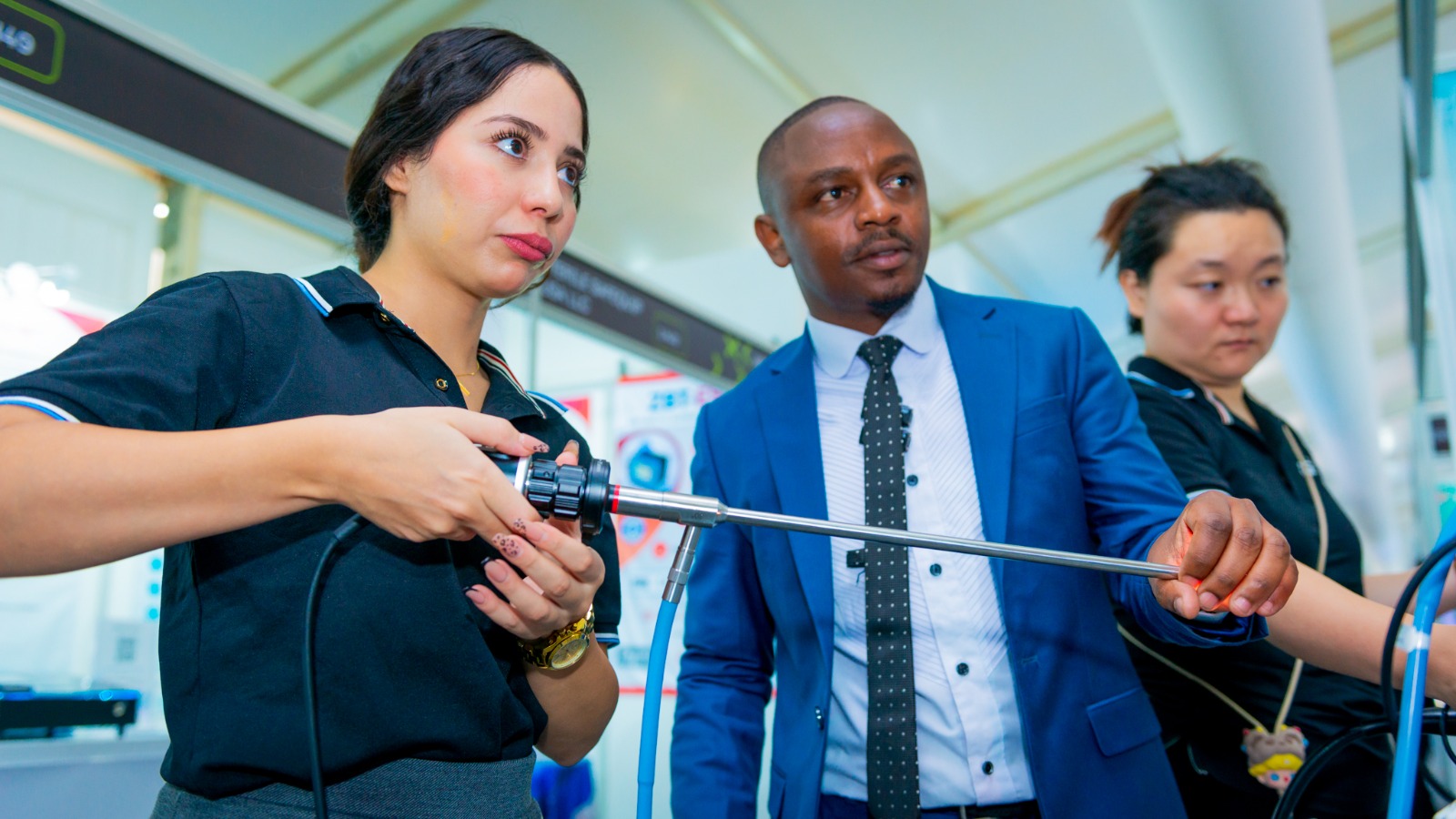
Industry stakeholders say the reforms are creating demand for investments in diagnostic equipment, medical imaging, laboratory services, electronic medical records (EMRs), digital health platforms and hospital infrastructure.
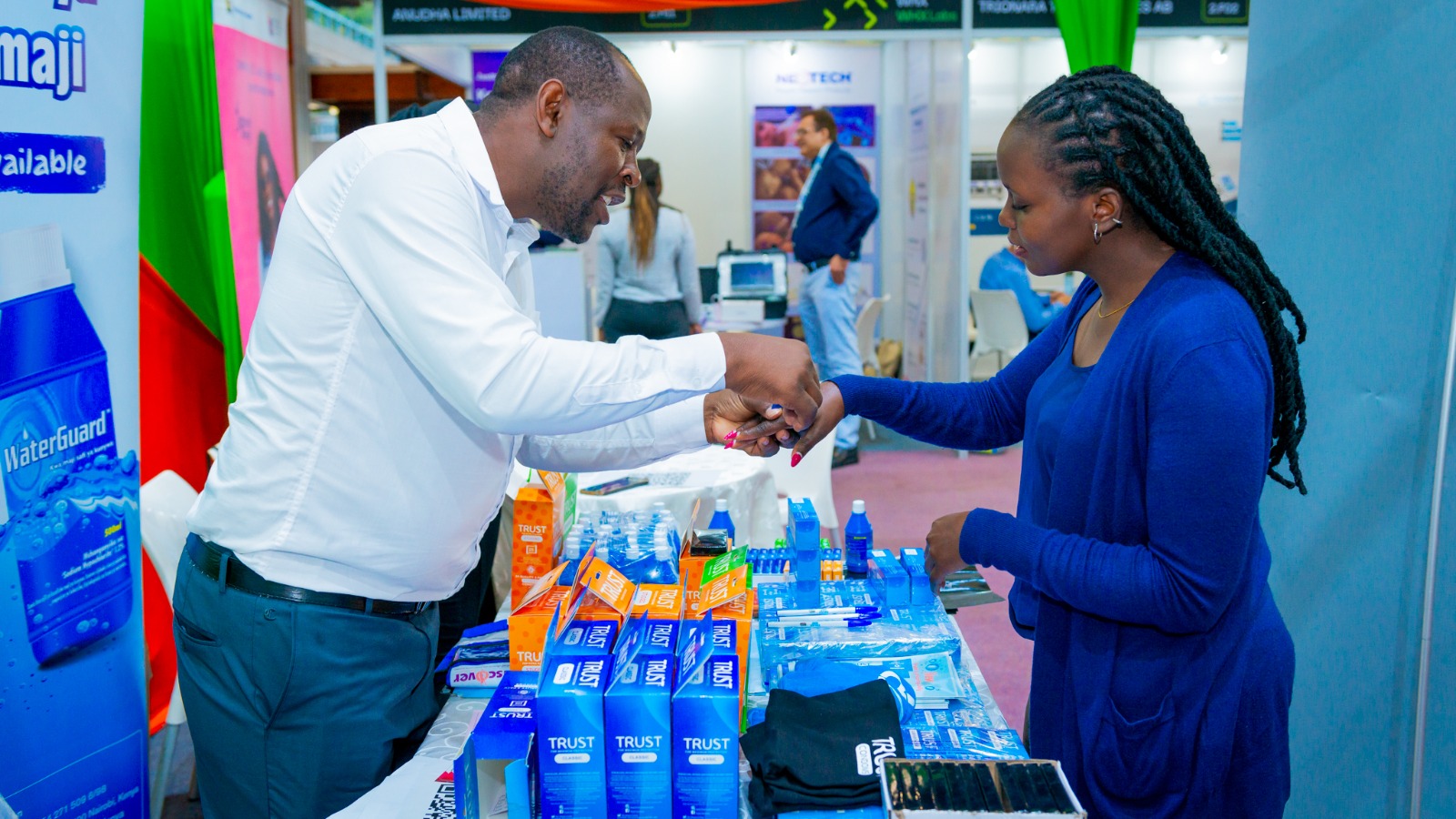
The developments will form part of discussions at the World Health Expo (WHX) Nairobi, scheduled for September 16–18, 2026, at the Kenyatta International Convention Centre (KICC).
The event, formerly known as Medic East Africa, is expected to bring together more than 5,500 healthcare professionals and over 200 exhibitors from more than 30 countries to showcase medical technologies and healthcare solutions.
Medical Technology Industry Association of Kenya (MEDAK) Chairperson Dr Janki Chauhan said Kenya’s transition to SHA represents a significant turning point for the country’s healthcare sector.
“Healthcare facilities are under immediate pressure to adapt to new reimbursement structures, expanded benefit packages and digitised claims processing. Across East Africa, we are seeing growing demand for modern medical technologies that will support more efficient and sustainable healthcare delivery,” she said.
Meanwhile, Informa Markets Healthcare Portfolio Director Tom Coleman said financing reforms across East Africa are already influencing procurement decisions.
“Kenya’s SHA rollout, alongside reforms in Ethiopia, Tanzania and Uganda, is creating urgent demand for medical equipment, digital health systems and hospital infrastructure. Healthcare providers are looking to align their investments with the new financing models before the next budget cycle,” Coleman said.
Registration for the expo is open to healthcare professionals, suppliers and procurement leaders.