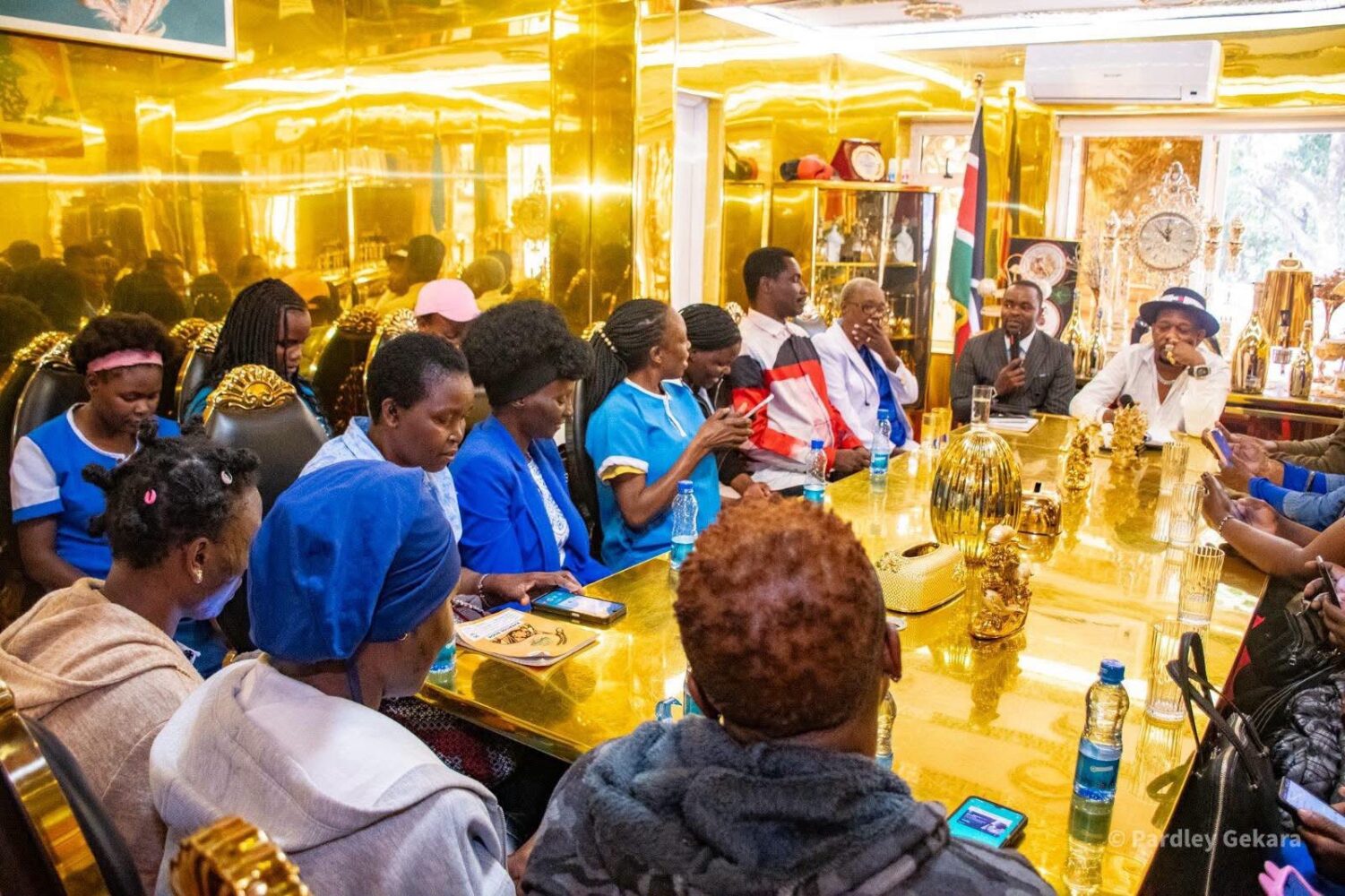
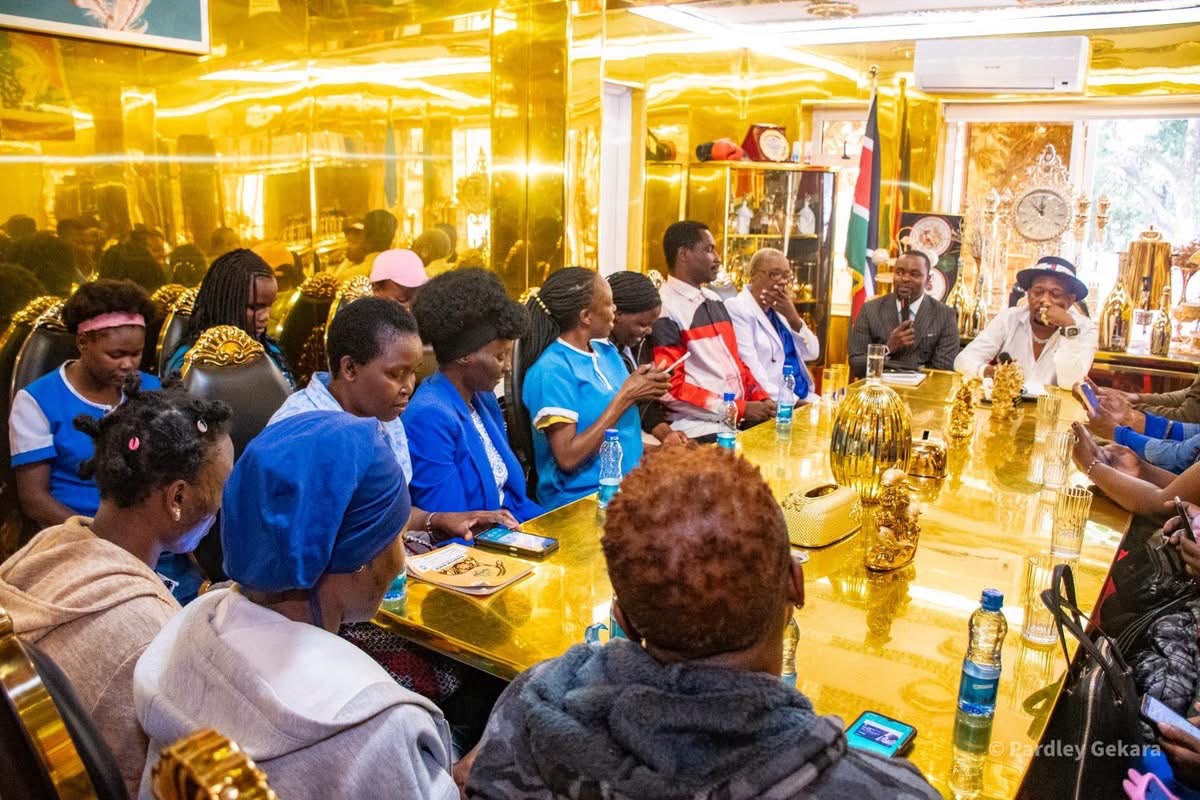
NEDP Party Leader Mike Sonko on Friday, August 7 hosted a delegation of domestic workers, whom he prefers to call House Managers, at the party’s headquarters in Upper Hill, Nairobi.
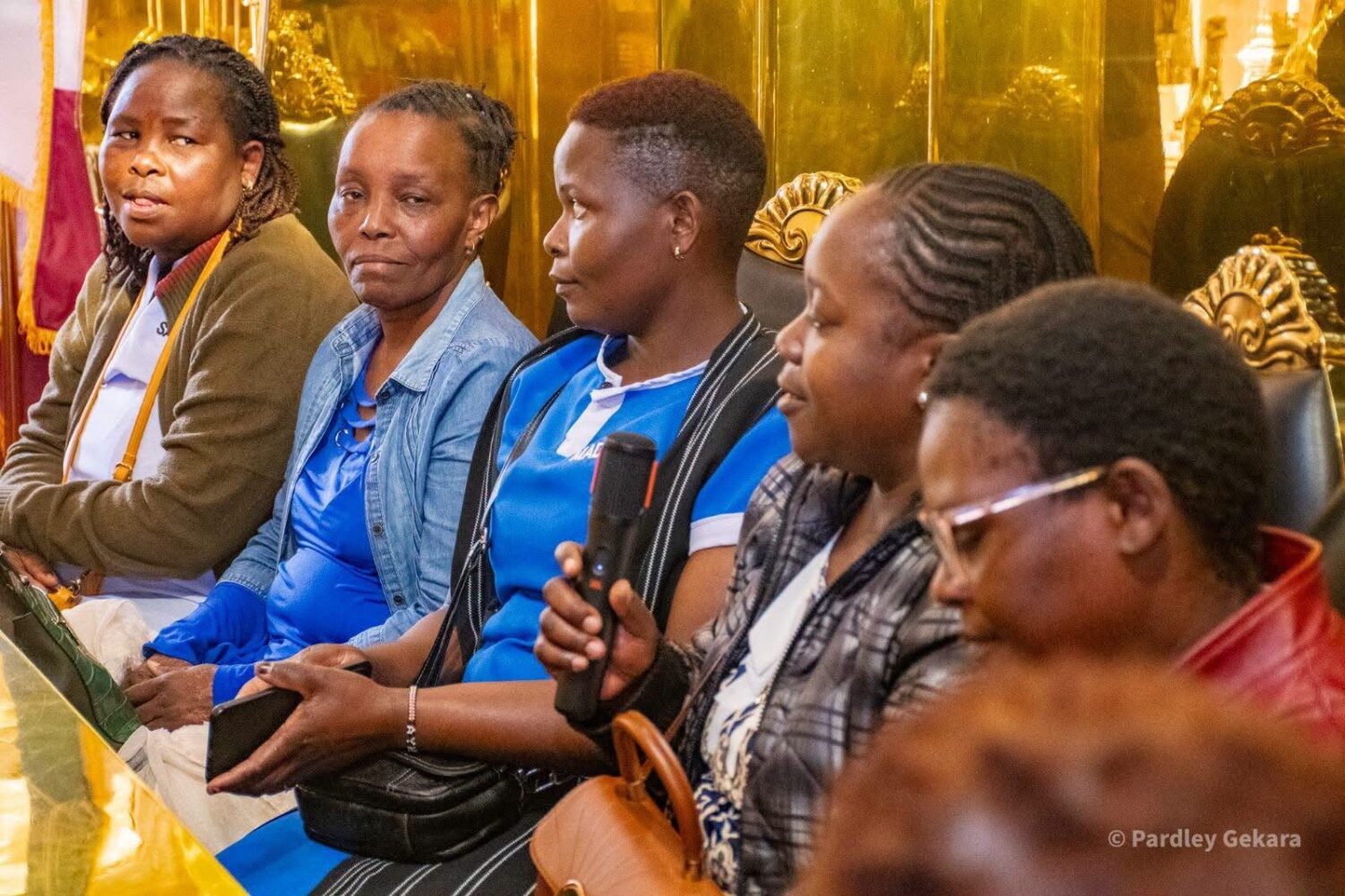
The delegation was led by Madam P, who is widely known for connecting domestic workers with prospective employers in the Kilimani area. She also officially declared her interest in vying for the Kileleshwa Ward MCA seat on the NEDP Party ticket.
Speaking after the meeting, Sonko called for greater recognition and protection of domestic workers, saying they deserve respect, dignity, fair remuneration and stronger legal safeguards against exploitation.
“We have renewed our campaign for the recognition and protection of domestic workers. They should no longer be referred to as ‘maids’ or ‘house girls’ but as House Managers, in recognition of the vital role they play in keeping Kenyan households running smoothly,” Sonko said.
During the meeting, the delegation raised concerns over the challenges facing thousands of domestic workers across the country, including sexual harassment, exploitation, poor working conditions, low wages and the lack of adequate legal protection. They also appealed for greater appreciation of the critical role they play in supporting families and contributing to the economy.

Sonko described House Managers as the backbone of many homes, noting that their dedication and sacrifice often go unnoticed despite their indispensable contribution to daily family life.
“They are essential members of our families and deserve appreciation, empowerment and protection,” he added.
The former Nairobi Governor pledged to continue championing initiatives aimed at improving the welfare of domestic workers and advocating for policies that guarantee them dignity, respect and fair treatment.
Also present at the meeting were NEDP Deputy Party Leader Antony Manyara and the party’s Legal Officer, Sammy Musyimi.
Sonko congratulated Madam P on her decision to seek elective office, describing her candidature as an important step towards giving domestic workers a stronger voice in leadership and public decision-making.
He concluded by calling for a society in which every worker, regardless of occupation, is treated with dignity, respect and afforded equal opportunities.