Transparency International Kenya (TI-Kenya) has instituted 15 public interest court cases over the past year focused on leadership and integrity, highlighting an ongoing battle against governance malpractices in the country.
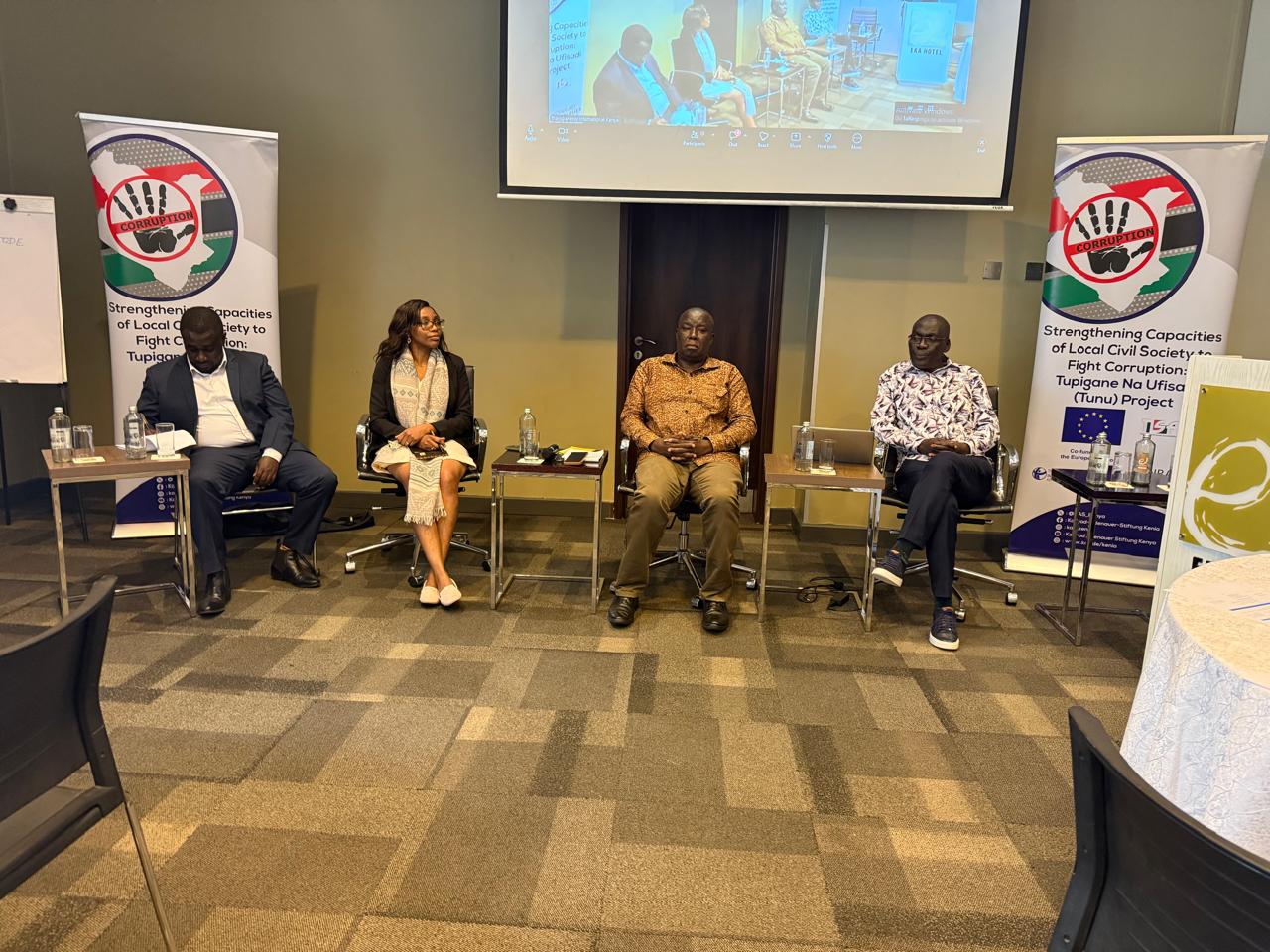
Speaking to TV47 Digital during a National Stakeholders Evaluation Conference, Elizabeth Duya, an advocate of the High Court of Kenya and Coordinator for TI-Kenya’s Citizen Demand and Oversight Program, detailed the organization’s work under Chapter Six of the Constitution. The program addresses public sector concerns, including access to justice, leadership, integrity, and access to public services.
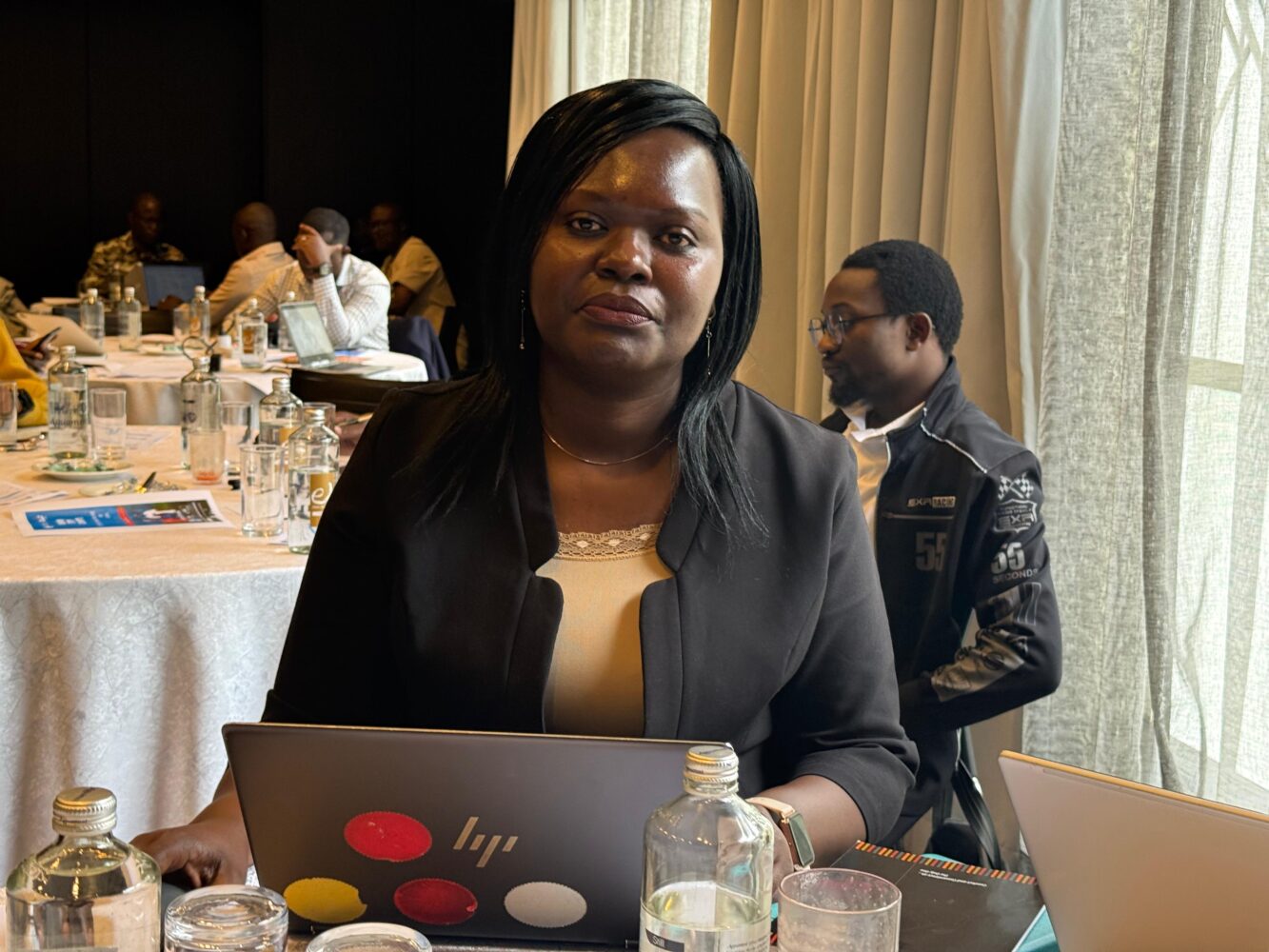
According to Duya, land-related disputes rank as the most reported corruption issues in TI-Kenya’s databases. She noted that land disputes frequently escalate into broader social problems, including gender-based violence and other criminal offenses across various regions.
To address citizen grievances and hold public officials accountable, TI-Kenya operates through two main avenues: public interest litigation and administrative resolution mechanisms. Under public interest litigation, the organization acts independently or jointly with partner civil society organizations to file cases touching on constitutional integrity. Because many rulings at the High Court level face appeals, these cases often progress through the Court of Appeal to the Supreme Court before reaching a final resolution.
Conversely, for complaints managed under specific initiatives like the Tunu project, TI-Kenya resolves issues entirely through non-court mechanisms. The organization provides direct legal advice, files administrative petitions to government offices, or refers cases to appropriate statutory bodies and legal aid partners, including the Ethics and Anti-Corruption Commission (EACC), the Commission on Administrative Justice (CAJ), Kituo Cha Sheria, an d FIDA-Kenya.
Addressing the frequent challenge of non-responsive government offices, Duya outlined a multi-tiered escalation strategy. When officials fail to respond to formal requests or Access to Information applications, TI-Kenya leverages its institutional networks to engage higher-level decision-makers. If administrative channels fail, the organization seeks court decrees to compel the release of information.
Additionally, TI-Kenya partners with civic organizations like the Institute for Social Accountability (TISA) to empower citizens to demand their rights through petitions and public actions.
Despite ongoing systemic bottlenecks and delayed responses from state entities, Duya urged the public to maintain pressure on public institutions and remain engaged in governance oversight.
”There is a lot of citizen apathy at the moment in terms of how corruption is panning out, but I want to encourage citizens not to give up,” Duya stated.