African creativity is no longer just about expression, identity or aesthetics, it is increasingly becoming a scalable economic force. This was established during an exclusive spotlight session featuring Dye Lab founder and Creative Strategist, Rukky Ladoja.
Speaking during a fireside conversation courtesy of the Africa Soft Power Summit (ASP 2026) moderated by Beverly Spencer -Obatoyinbo, Ladoja shared the journey behind building a globally recognised African fashion brand rooted in culture, intentionality and accessibility.
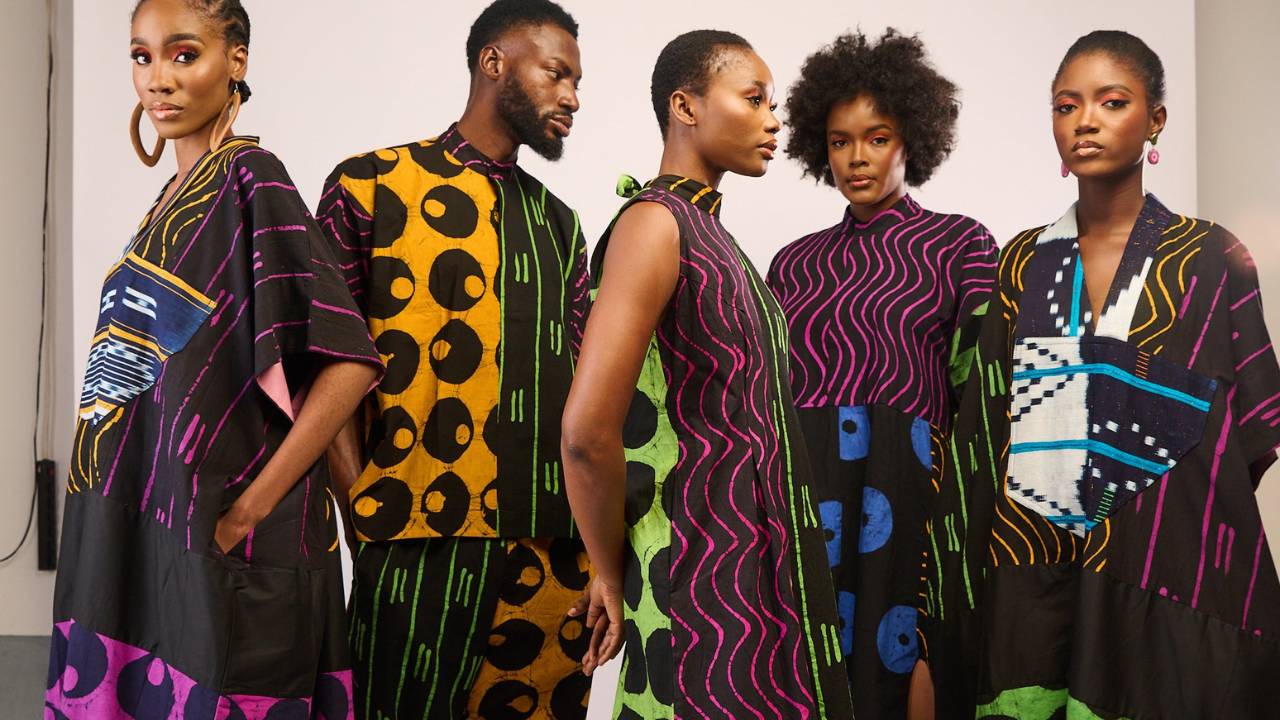
What begun as a desire to create professional clothing that felt accessible to everyday people has now grown into a brand with 29 pop-up locations across 11 countries and four continents.
“I wanted to create a space where you could buy clothes for professionals that are accessible,” said Ladoja.
The founder explained that before launching Dye Lab, she spent years experimenting with fabrics and manufacturers across different parts of the world before eventually deciding to invest heavily in production within Nigeria.
She also revealed that her early years in business were far from smooth. At one point, she began consulting for other fashion brands, but many were unconvinced by her design style and creative direction.
However, things began to change in 2020 after she started receiving orders through online advertising and when she wore them during Zoom meetings, marking a turning point for the business.
“That is when I came up with the brand, Dye Lab,” she said.
According to Ladoja, the vision behind the company was always deeply rooted in identity and community.
“I wanted it to be African first, because I wanted something that reflects my community,” she added.
Beyond fashion, Dye Lab who are this year’s Africa Soft Power Summit’s inaugural ‘Culture Shifter’ are positioning themselves as part of a wider movement seeking to transform Africa’s creative sector into a commercially viable and globally competitive industry.
Ladoja noted that the brand intentionally incorporates familiarity, nostalgia and emotional connection into its designs to ensure customers feel personally connected to the pieces they wear.
The founder also highlighted the urgent need for stronger support systems within Africa’s creative economy.
“We need support. We need a lot of people who believe in this industry,” she said.
She argued that increased support for creatives would encourage more people to recognise the economic potential of Africa’s creative industries.
As part of its expansion strategy, Dye Lab is currently in the process of establishing a dye factory, an initiative the company says will also drive innovation around waste management and sustainable production.
Ladoja further stressed that African fashion brands must think beyond visibility and focus on long-term scale and cultural relevance.
“I think the journey we are trying to create with our brand is to prove that fashion brands have to scale,” she said.
According to her, the two most important pillars behind building a successful brand are scale and culture.
She encouraged emerging entrepreneurs and creatives to embrace collaboration before rushing into launching independent ventures.
“Always try to first get a collaboration before starting a brand by yourself,” she concluded.
Ultimately, Dye Lab’s presence at the Africa Soft Power Summit 2026 offers a definitive answer to what the future of African creative enterprise looks like when matched with strategic intent. It proves that African culture, design, and storytelling are no longer just elements of heritage to be admired—they are pieces of a sophisticated commercial infrastructure capable of driving global growth and shaping market value.
By placing brilliant local craftsmanship inside the same room as institutional capital, market access, and leadership, the ASP Summit does not merely give brands exposure; it serves as the essential translation layer where creative energy is converted into scalable, investable global power.
The evening was a vivid reminder that African taste is no longer just participating in the global lifestyle economy—it is increasingly dictating its future.