
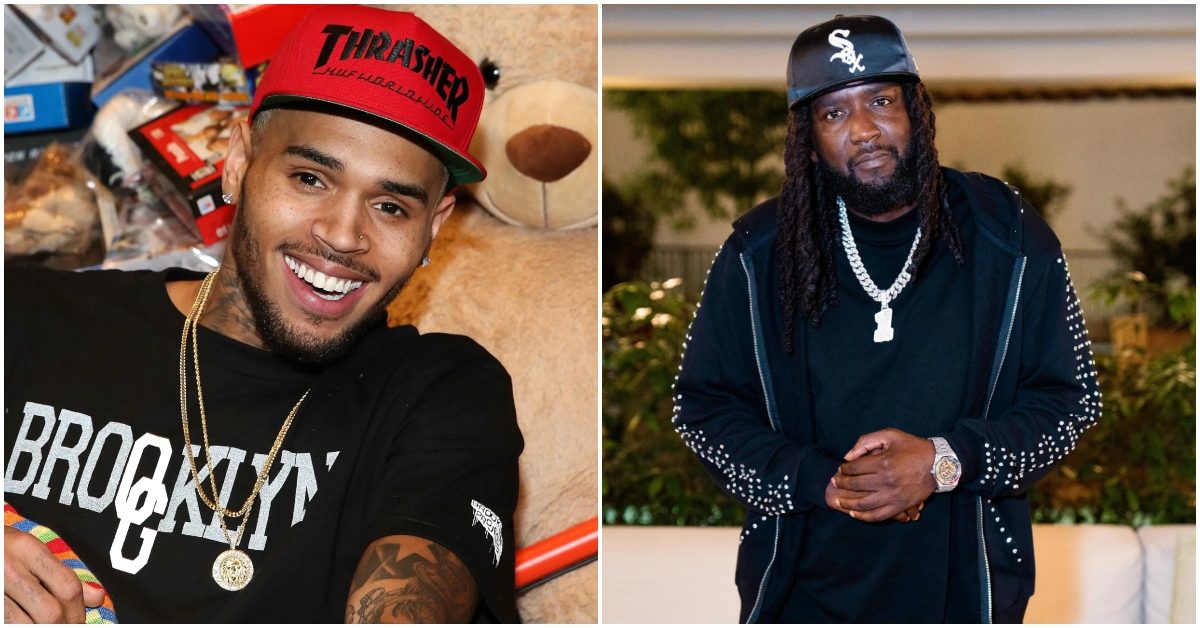
American R&B superstar Chris Brown has avoided immediate imprisonment after a London court handed him an eight-month prison sentence, suspended for 12 months, over a violent 2023 nightclub attack that left music producer Abraham ‘Abe’ Diaw needing hospital treatment.
The 37-year-old singer was sentenced at Southwark Crown Court on Monday, October 26, 2026, after pleading guilty to affray, an offence involving the use or threat of unlawful violence.
Despite walking out of court without being taken to prison, Brown has not escaped conviction. His sentence means he could still face eight months behind bars if the suspension is activated under the applicable legal rules.

A 20-Second Attack That Landed a Global Star in Court
The incident unfolded in the early hours of February 19, 2023, at Tape nightclub in London’s exclusive Mayfair district.
Prosecutors told the court that Brown approached Diaw on the dance floor and repeatedly struck him with a heavy glass tequila bottle, hitting him on the head twice. CCTV footage shown in court captured Brown striking the producer four times with the bottle, including blows to his head and shoulder.
Brown’s vocal coach, rapper Omololu Akinlolu, then joined the confrontation, punching Diaw. Prosecutors said the assault continued as the producer attempted to flee, with Diaw also being kicked while defenseless on the floor.

The attack lasted between 17 and 20 seconds, but its consequences were serious enough to send Diaw to St Mary’s Hospital for treatment for head and knee injuries.
“This was not planned violence. It was nevertheless serious violence by two people in a crowded nightclub,” Judge Tony Baumgartner said during sentencing.
The judge described the repeated use of a glass bottle against the victim’s head as “plainly dangerous”, warning that the attack could have caused far more severe injuries.
Why Brown Walked Free Despite the Prison Sentence
The ruling has drawn attention because Chris Brown, one of R&B’s biggest global stars, will not immediately serve time behind bars.
Judge Baumgartner made it clear that Brown’s fame, wealth and commercial success offered no protection from the law.
“The law applies equally to everyone,” the judge stressed, rejecting any suggestion that celebrity status should earn special treatment.

However, the court also considered mitigating factors, including Brown’s guilty plea, his compliance with bail conditions and the assessment that his risk of further offending was low. The potential impact of immediate imprisonment on his four children was also raised.
Brown’s defence described the incident as a short-lived and deeply regretted episode. His lawyer, Sallie Bennett-Jenkins KC, said the singer offered a profound apology to those who witnessed the violence.
The court ultimately imposed an eight-month prison sentence but suspended it for 12 months.

His vocal coach, Akinlolu, received a separate four-month suspended prison sentence, also lasting 12 months. Both men were ordered to pay £1,500 in costs.
Guilty Plea After More Serious Charges
Brown and Akinlolu initially faced more serious allegations, including attempting to cause grievous bodily harm and assault. Both denied the more serious charges before pleading guilty to affray in July 2026.
The original charges were subsequently dropped following their guilty pleas.

Affray is a public-order offence under English law and carries a maximum prison sentence of three years.
The guilty plea meant Brown was sentenced for affray rather than standing trial on the original allegations.
What The Suspended Sentence Means for Chris Brown
Brown’s freedom comes with a significant condition: the next 12 months could determine whether he serves the prison term.
A suspended sentence is still a prison sentence, not an acquittal. If Brown commits another offence during the suspension period and is convicted, a court may activate the suspended term, subject to the applicable legal rules.

For now, he can remain outside prison while complying with the law and the terms of his sentence.
Another Legal Chapter in Brown’s Troubled Past
The London case adds to Brown’s long history of legal controversies. In 2009, the singer pleaded guilty to assaulting his then-partner, Rihanna, and received five years’ probation.
Despite maintaining a successful music career with hits including Run It, Forever, Turn Up the Music and Don’t Wake Me Up, Brown has continued to face scrutiny over his conduct outside the recording studio.

He left the London court without immediate imprisonment, with supporters reportedly cheering outside.
But the central fact remains: Brown was convicted and sentenced for the nightclub violence. His freedom is conditional, and the eight-month prison term remains a possible consequence if the suspension is activated.
Things To Know About Chris Brown’s Sentence
1. He was sentenced, not acquitted. Brown received an eight-month prison sentence. The judge suspended it rather than ordering him to serve it immediately.
2. The suspension lasts 12 months. The period is important because further offending during that time could lead to the prison term being activated.
3. The guilty plea was significant. Brown admitted affray in July 2026 after initially denying the more serious charges.
4. The judge considered both aggravating and mitigating factors. The use of a bottle against the victim’s head was treated as dangerous, while the guilty plea, compliance with bail and assessment of future risk were relevant to the final decision.
5. His celebrity status offered no legal exemption. The judge explicitly stated that fame and commercial success did not entitle Brown to special treatment.

From Rihanna To London: Chris Brown’s Career Haunted by Controversy
From global music stardom to repeated courtroom battles, Chris Brown’s career has been a turbulent mix of success and controversy. His 2009 assault on Rihanna became a defining moment, forever complicating his public image.
2009 – Rihanna assault case: Chris Brown pleaded guilty to felony assault against then-girlfriend Rihanna. He received five years’ probation, community labor and domestic violence counselling.
2012 – New York nightclub altercation: Brown was involved in an altercation that also involved rapper Drake. Several people were injured, but Brown was not criminally convicted over the incident.

2013 – Washington, DC, assault case: Brown pleaded guilty to misdemeanor assault following an altercation with a man who had asked to take a photograph with him.
2014 – Jail sentence: Brown was sentenced to 131 days in jail for violating probation linked to the Rihanna case. He was released after serving approximately 108 days.
2017 – Restraining order: Former girlfriend Karrueche Tran obtained a restraining order against Brown after alleging threats and abuse. The case was handled through the civil court system.
Despite his chart-topping hits and loyal fan base, his story raises a difficult question: Can musical greatness outshine a troubled past, or will controversy define Chris Brown’s legacy?