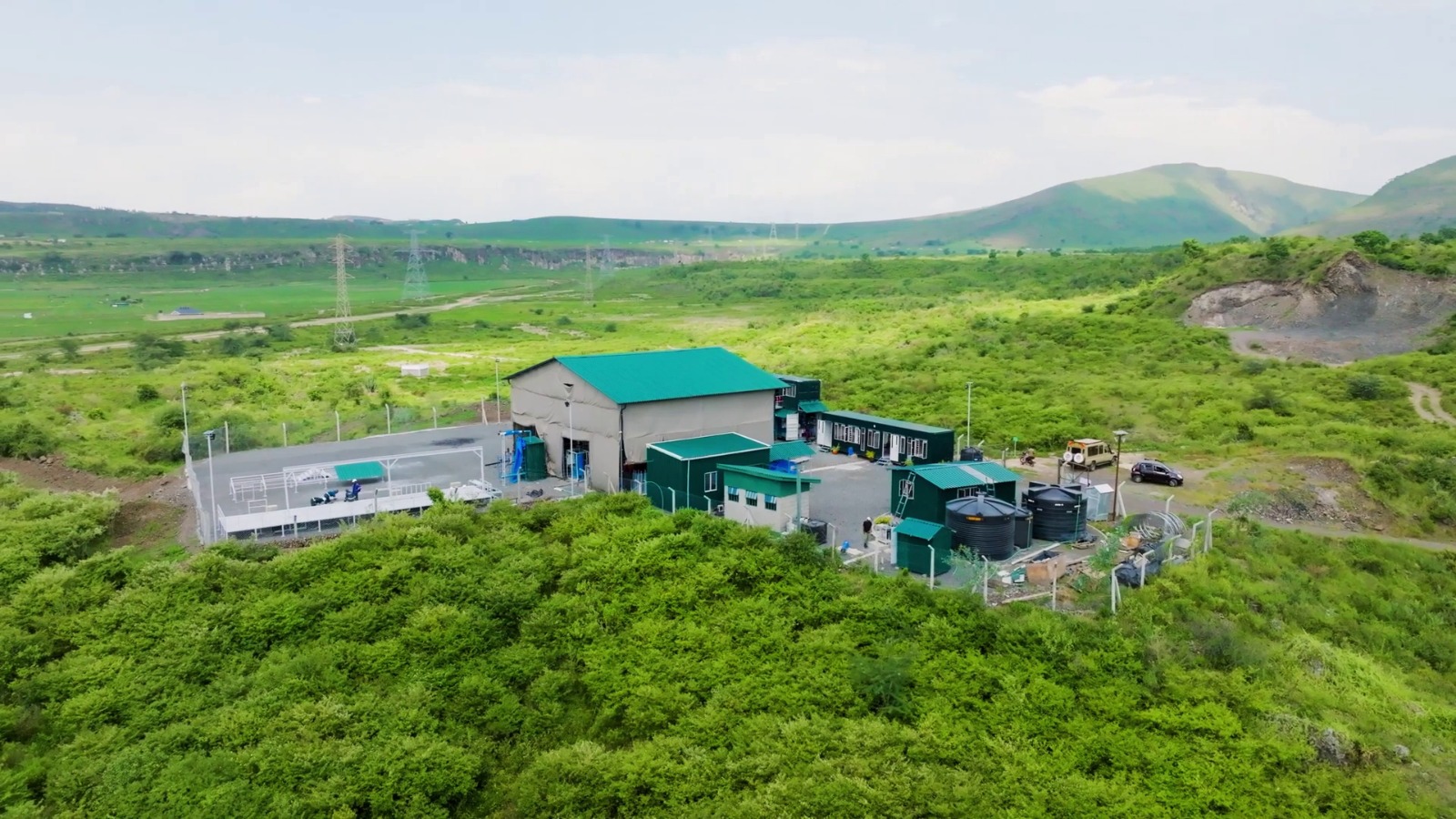
Near Lake Elementaita in the central Rift Valley, a Kenyan start-up is at the forefront of global carbon removal efforts aimed at reversing the negative effects of climate change.
In a bid to implement this climate-smart innovation, Octavia Carbon has developed a pilot direct air capture (DAC) and storage project in partnership with Cella Mineral Storage. This project, dubbed Project Hummingbird, is Africa’s first direct air capture initiative.
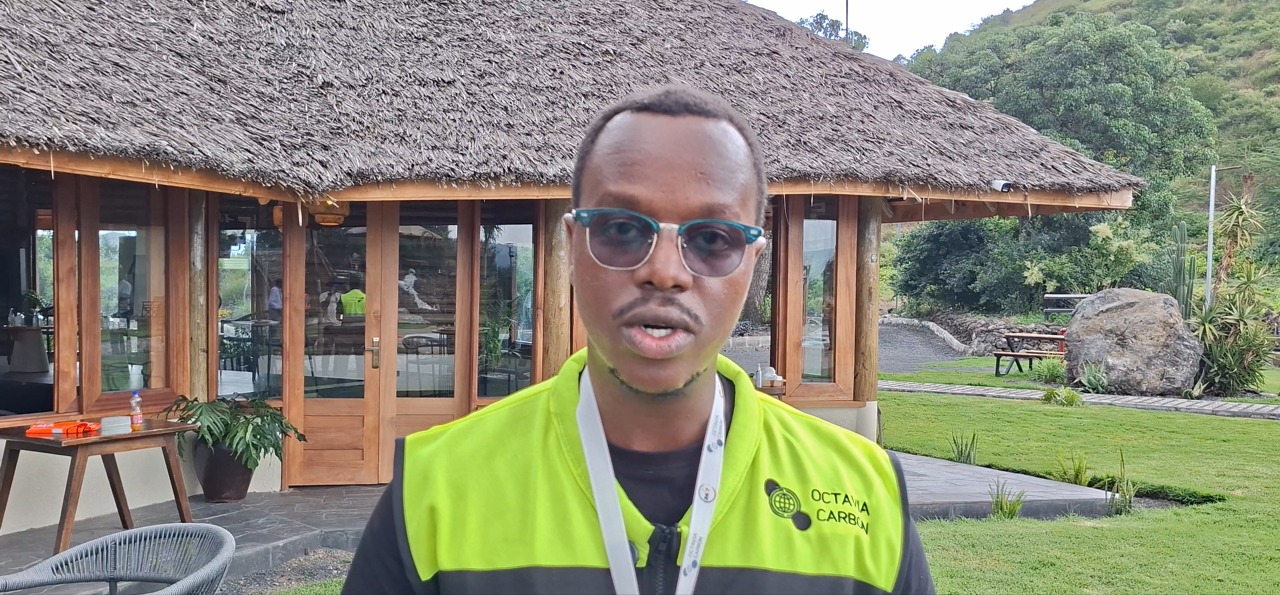
Duncan Kariuki, the co-founder and Chief Technical Officer (CTO) of Octavia Carbon, says the company has developed machines capable of extracting carbon dioxide directly from the atmosphere.
“The way we’ve caused climate change is by taking fossil fuels in the form of coal, oil, and gas out of the ground. We’ve burnt them and emitted them into the atmosphere. So we have developed technology to reverse that process,” Kariuki adds.
How direct air capture works
In the first phase of the capture process, a volume of air is passed through the machines, facilitated by a blower and a fan. As the air passes through the machine, the filters selectively capture the CO2.
Thereafter, engineers monitor the concentration, and once the filter is fully saturated with CO2, the machine is sealed off and a vacuum is created. The filter is then heated to facilitate the release phase.
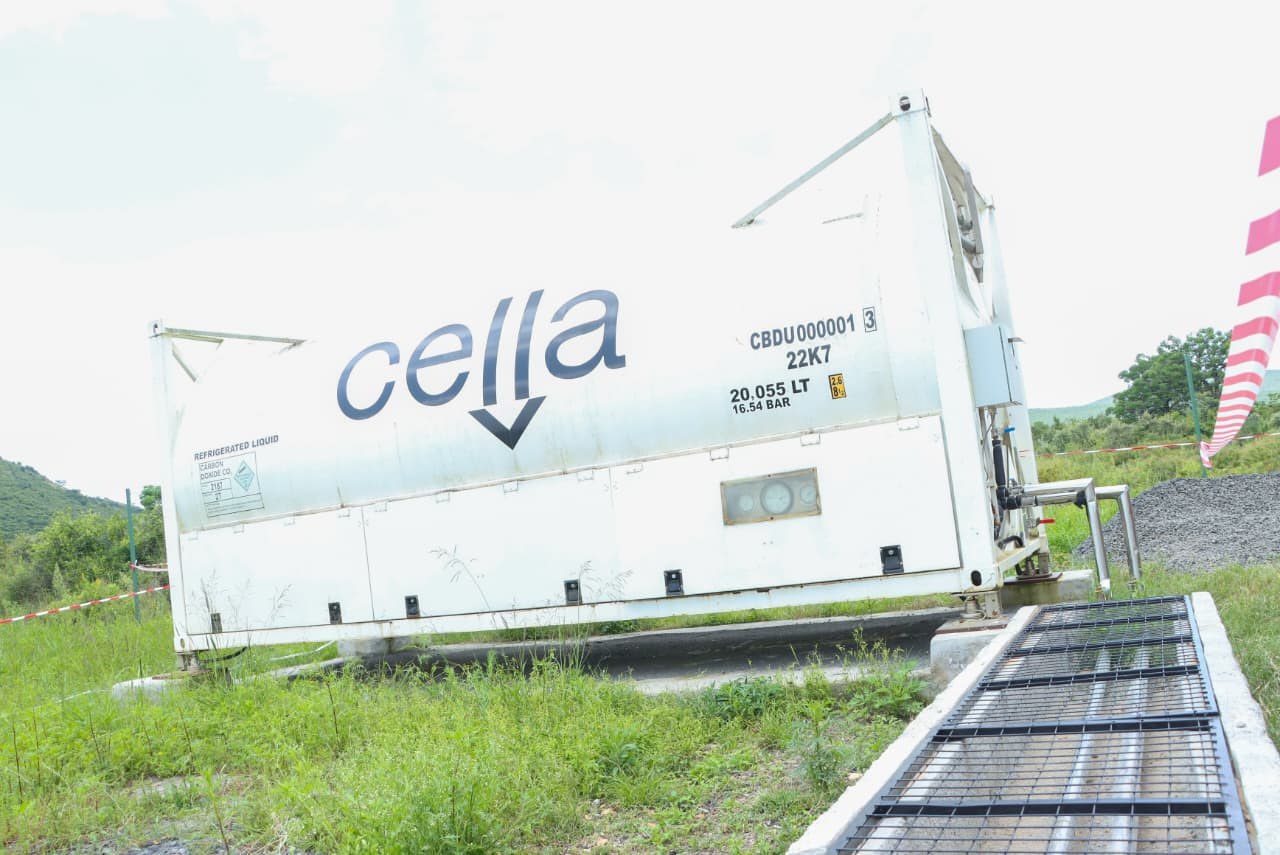
Once the CO2 has been released, it is moved to a buffer tank before being compressed into cylinders. The processed CO2 is then transferred to US company Cella Mineral Storage, where it is injected deep underground.
Cella is a partner storage company and part of the Sleeping Warrior Special Economic Zone.
Why Elementaita is the strategic location
During a site visit to the facility on May 17, Kariuki explained that the Elementaita landscape is the best location to host the innovation due to the availability of the right energy, geology, and talent.
The right energy is provided by Mumbi Geothermal, which is also located in the Sleeping Warrior Special Economic Zone (SEZ). Waste heat from Mumbi’s geothermal plant regenerates the filters in Octavia Carbon’s direct air capture machines and covers 85% of the project’s energy requirements.
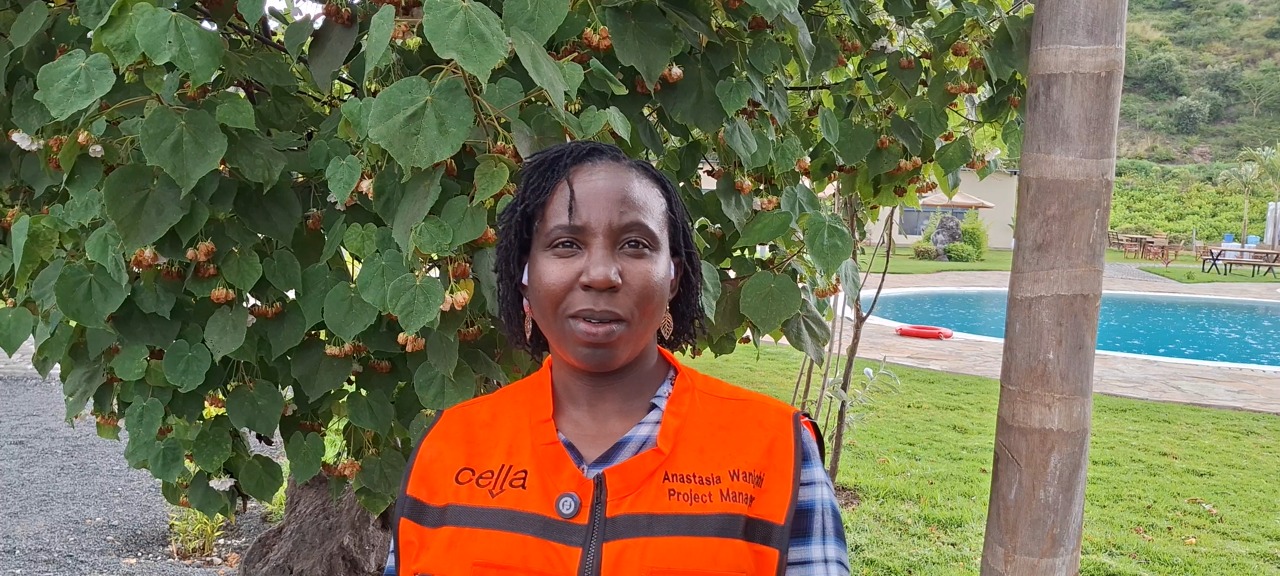
The Great Rift Valley also provides the right geology, as the region’s volcanic rock formations are suitable for storing carbon underground. Cella Mineral’s project manager, Anastacia Wanjohi, explains how carbon mineralization occurs.
“Basalt is a mafic rock with the capacity and minerals to react with CO2 and form stable minerals like calcium carbonate that can be stored underground permanently,” Wanjohi says.
Octavia’s co-founder further notes that the project will be scaled gradually, with a target of removing about 1,000 tonnes of CO2 from the atmosphere annually. One tonne of carbon dioxide permanently removed generates one carbon credit.
This comes despite ambitious global targets of removing 7–9 billion tonnes of CO2 per year to meet climate goals, according to a 2024 study by the University of Oxford.
“For us, what we look for is where we have the right energy mix because we need clean energy, and we also care a lot about heat. We also look for access to storage because we don’t want to move CO2 long distances, just to keep the economics favourable for these projects,” Kariuki says.
One of the most common carbon removal methods involves trees absorbing CO2 from the atmosphere through photosynthesis. Trees act as carbon sinks, storing carbon in their physical structures and the surrounding soil for decades or even centuries.
However, this method requires vast tracts of land to meet global carbon removal targets. Octavia Carbon’s machines, on the other hand, require minimal land footprint and can achieve in a year what thousands of trees would absorb over the same period.
Kariuki and Wanjohi were among the experts who, on May 17, welcomed members of parliament from different African countries to the Sleeping Warrior Economic Zone. During the visit, the MPs and experts stressed the need for access to global climate finance.
The legislators, led by Kenya Parliamentary Climate Caucus chairman Senator Moses Kajwang’, highlighted the need for policies that support private investment in climate action.
“The Sleeping Warrior SEZ model could be replicated across the County Industrial Parks. Great things are possible in Kenya; we only need to be deliberate in execution and predictable in policy,” Kajwang noted.
The African legislators were part of the Inter-Parliamentary Union Regional Seminar on Methane in Nairobi on May 15 and 16, which focused on accelerating climate action through methane reduction.