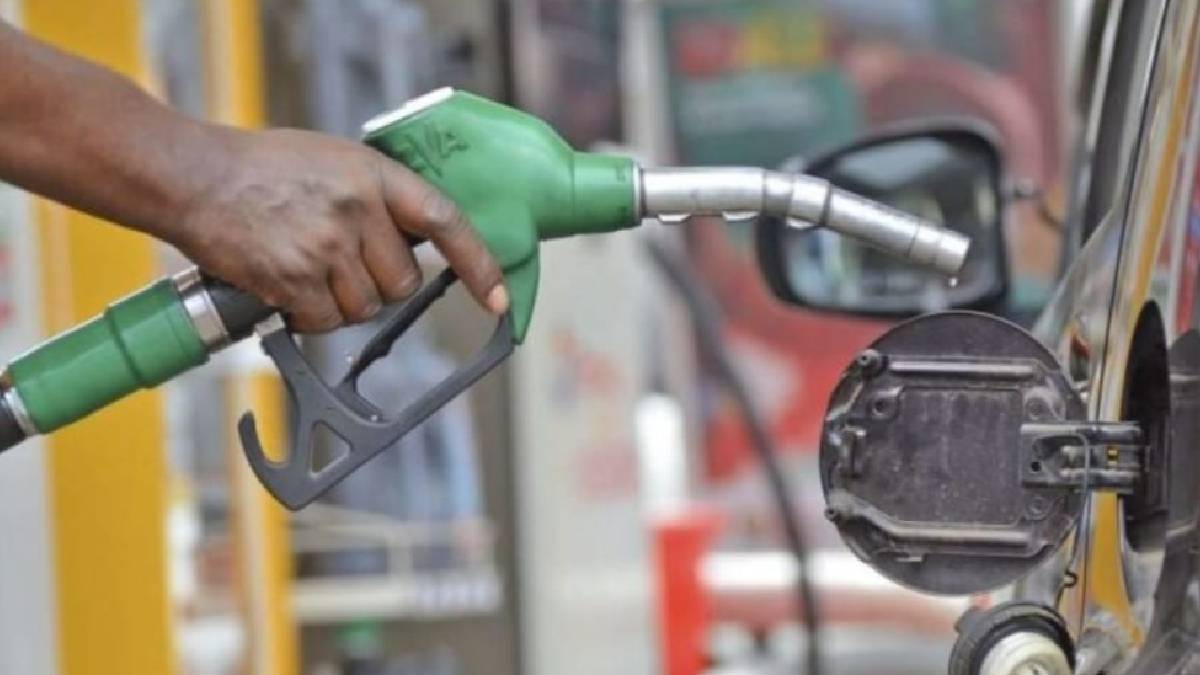
Fuel in Kenya has become that one “friend” who keeps saying “last price” but somehow there’s always another increase loading.
Every review cycle now feels less like an announcement and more like a plot twist in a long-running drama, with motorists bracing for impact and boda boda riders doing mental math faster than calculators.
In the latest review by EPRA, Super Petrol shot up by KSh 28.69 to hit about KSh 206.97 per litre in Nairobi, while Diesel wasn’t left behind, leaping by a staggering KSh 40.30 to KSh 206.84, now flirting with some of the highest price levels the country has ever seen. Kerosene, perhaps trying to keep a low profile, stayed put at KSh 152.78 per litre… the only calm passenger in a very expensive ride.
The increase, effective April 15 to May 14, 2026, has been blamed on a familiar trio: climbing global oil prices, a stubbornly pressured exchange rate, and ongoing hiccups in international supply chains, a combination that keeps reminding motorists that fuel pricing is rarely a local affair.
In Kenya, fuel prices don’t just affect transport they ripple through everything: food, rent, school fees, even that quick errand you thought would cost fifty bob.
When fuel goes up, maisha also adjusts upward… except salaries, which seem to have taken a permanent tea break.
Now, let’s zoom out. Across the continent, the fuel story reads differently depending on where you are. In Nigeria, Africa’s oil giant, fuel prices have been volatile since subsidy removals sometimes cheaper than Kenya, sometimes not, depending on policy shifts.
In Tanzania and Uganda, prices are often slightly lower, thanks to different tax structures and supply routes, though they too feel the pinch of global oil markets.
Meanwhile, South Africa operates a regulated pricing model, but even there, citizens regularly complain about rising costs.
So where does that leave Kenya? Somewhere in the middle but leaning toward the expensive side, largely due to taxes, levies, and the famous “small small charges” that quietly add up to a big number at the pump.
It’s the kind of bill that makes you stare at the attendant like, “Are we fueling the car or investing in shares?”
Amid the controversy, Cabinet Secretary Opiyo Wandayi had assured the public that despite the ongoing concerns, the government was working to keep fuel prices stable and ensure a steady supply.
Wandayi revealed that a 60,000-metric-tonne consignment of super petrol entered the country outside the government-to-government framework at a significantly higher cost about KSh 198,000 per metric ton compared to the usual KSh 140,000.
To shield consumers from this spike, he directed the Energy and Petroleum Regulatory Authority to exclude the shipment from monthly fuel price calculations.
And Kenyans being Kenyans, humor remains the ultimate coping mechanism. Memes are flying, with one saying: “At this rate, we will soon be asking boda guys if they accept installments.” Another suggests walking is now a “long-term investment plan.”
But beneath the laughter lies a serious question: how long can wananchi keep adjusting? Because while fuel prices may be global, their impact is painfully local.
Until then, drivers will keep doing what they do best; checking the gauge, calculating distances, and whispering a small prayer before every trip: “Please, just reach.”