
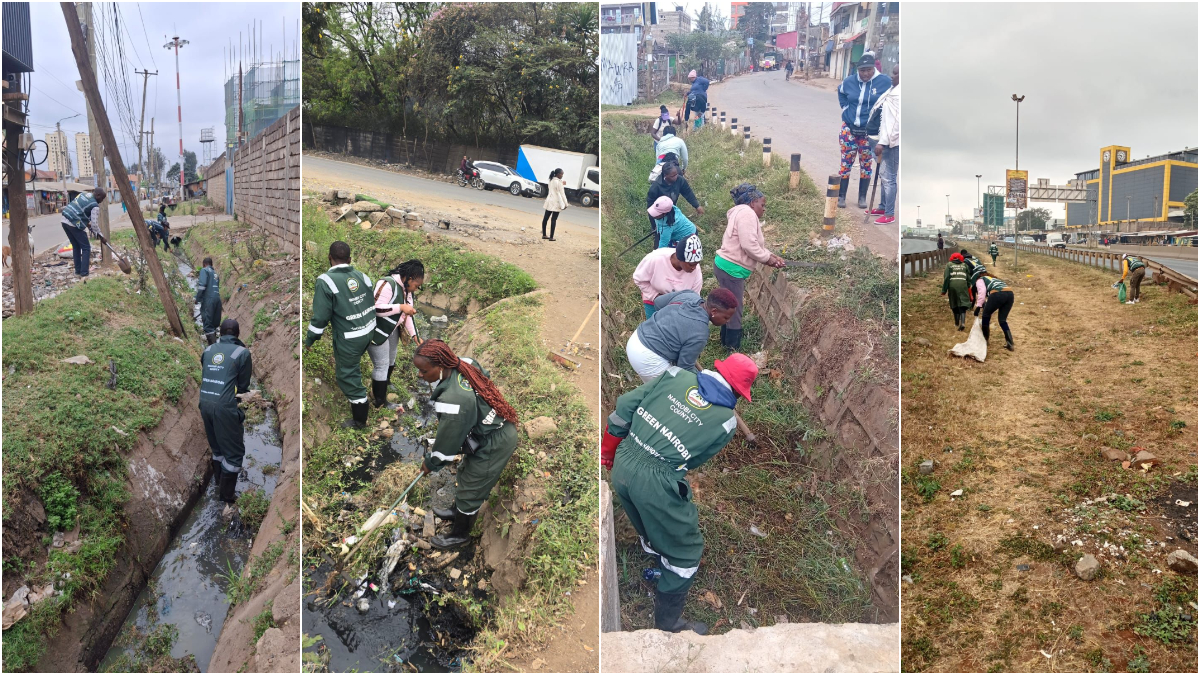
Nairobi’s battle against garbage is increasingly becoming a source of livelihood for thousands of young people, with Governor Johnson Sakaja saying the county’s Green Army programme has created employment opportunities for more than 4,500 people while transforming the way the capital manages waste.
Speaking on his new digital baraza podcast, “Nairobi, Let’s Talk,” Sakaja said the programme was designed to tackle two challenges at once keeping the city clean and creating dignified employment for Nairobi residents.
“Right now, since the 1980s, this is the first time we have employed such a huge number of workers 4,500 people for permanent and pensionable positions to be part of the people cleaning the city,” Sakaja said.
The Governor said the initiative was significant not only because of the number of people employed, but also because each worker represented a household that could now earn a living.
“As they clean drains, clean our city and estates, we have also given 4,500 households an opportunity to make a living. This is just the beginning,” he said.
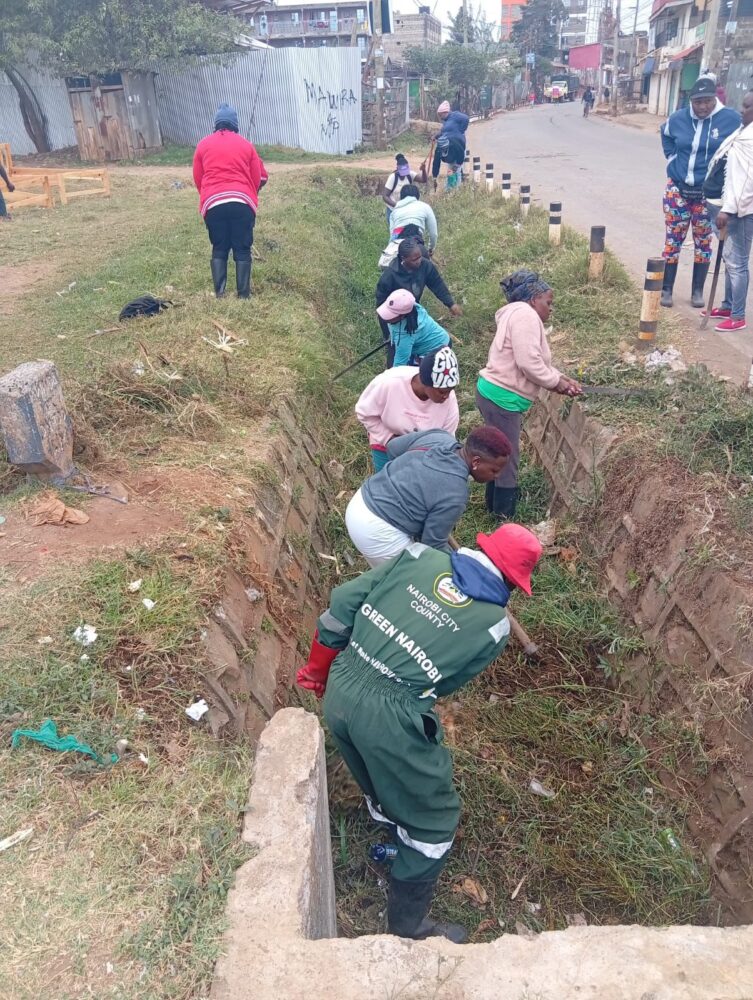
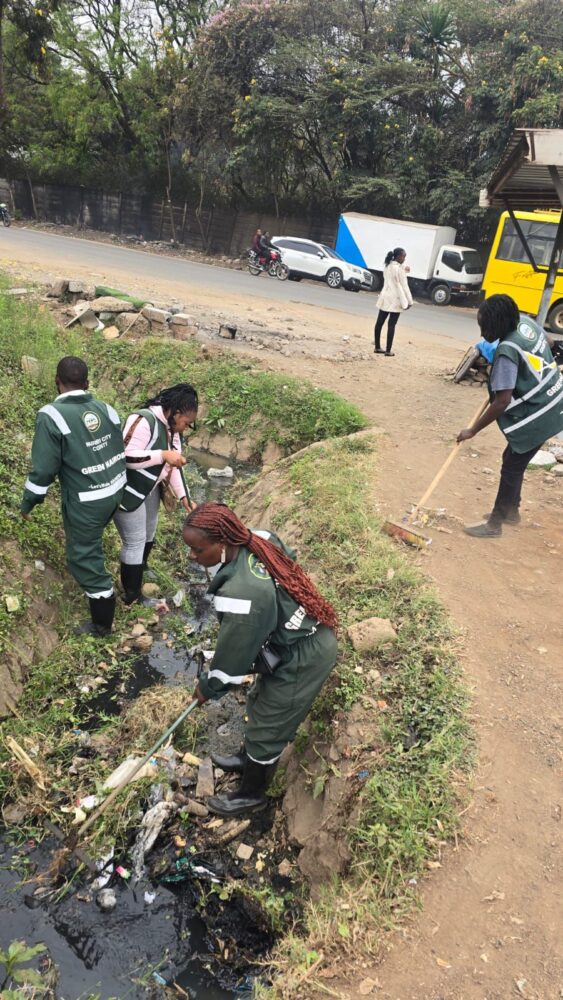
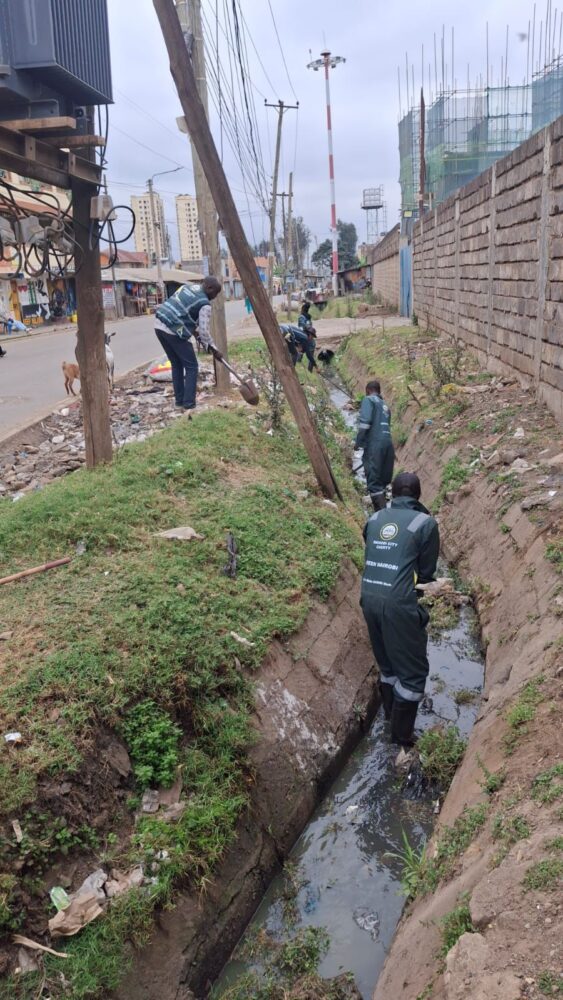
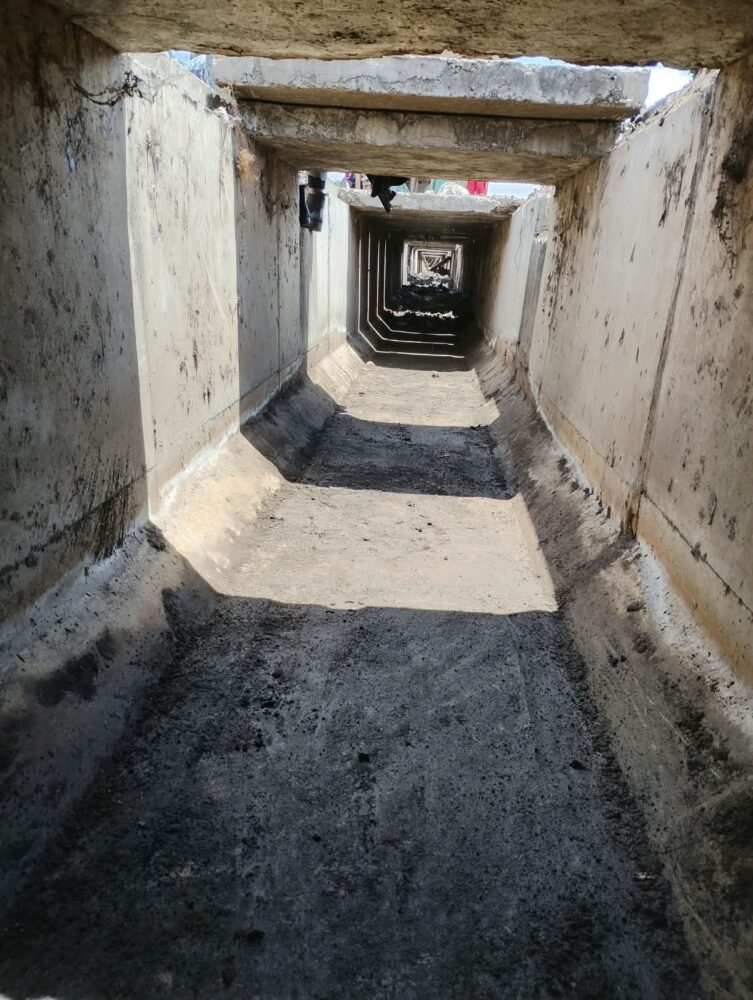
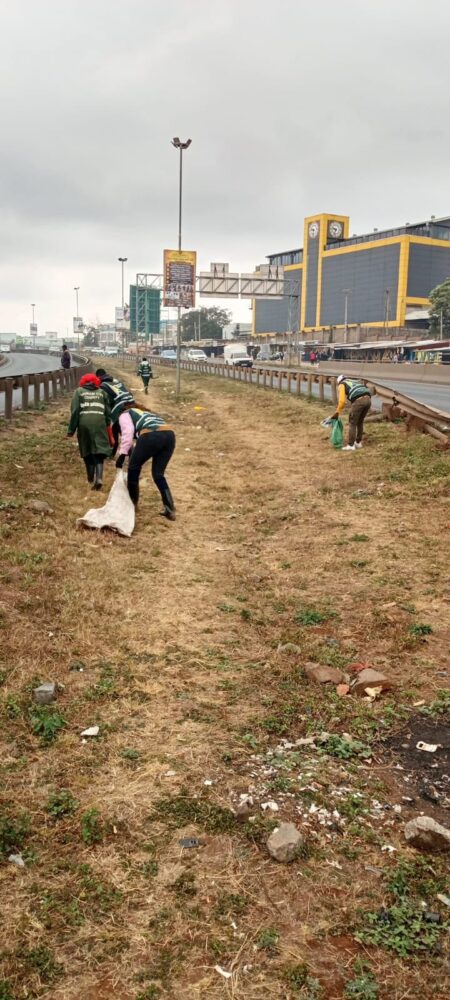
The Green Army has become a key component of the county’s intensified campaign to keep Nairobi clean and prepare the city for heavy rains, with teams deployed across the capital to clear drainage systems, illegal dumpsites, waterways, markets and residential areas.
The programme comes at a time when Nairobi is collecting about 3,000 tonnes of garbage every day, according to the county government triple the roughly 1,000 tonnes previously being collected daily.
For a city of an estimated seven million people, Sakaja said, waste management requires a coordinated system that can keep pace with the amount of garbage generated every day.
“Nairobi County is a service county and we collect three tonnes of garbage daily,” Sakaja said, referring to the scale of the city’s waste burden.
The Green Army’s work has become particularly important as the county steps up preparations for the expected October El Niño rains.
Since the clean-up campaign began in April, more than 40 major waste collection points and illegal dumping sites have been cleared across the city.
In Embakasi South alone, more than 4,500 loads of waste have been removed since April. Kware Bridge accounts for 1,538 loads, while another 2,970 loads have been cleared from English Press in Mukuru Kwa Reuben.
Along the Nairobi River, 216 loads have been removed at Motherland in Eastleigh South, while 20 loads have been cleared from Kinyago Slums in California Ward.
Other areas have also recorded significant waste removal, including Gumba Bridge in Babadogo, Kingston in Utalii, Area 3 Sokoni in Mathare North and Korogocho Market.
The county has also intensified drainage clearance, desilting, litter collection and vegetation control in areas including Dandora, Ruai, Langata, Mathare, Kibra and Dagoretti North.
County Executive Committee Member for Green Nairobi Maureen Njeri has described the Green Army as an important first line of defence against flooding.
“As we prepare Nairobi for the El Nino rains, the Green Army is on the ground every day clearing drains, removing waste and keeping our roads and neighbourhoods clean,” Njeri said.
“This is about prevention ensuring water has a clear path to flow and reducing the risk of flooding.”
From cleaning streets to creating livelihoods
Beyond the tonnes of waste being removed from the city, the programme is creating a new economic opportunity for thousands of young Nairobians.
Sakaja said the recruitment of thousands of workers on permanent and pensionable terms marked a major shift in how the county approaches cleaning and environmental management.
The workers are deployed to clean streets, estates and drainage channels, while helping maintain public spaces and tackle illegal dumping.
For the county administration, the strategy is therefore not simply about collecting garbage. It is also about building a workforce whose jobs are directly linked to improving the city’s environment.
Sakaja said the county was only at the beginning of its plans and was exploring ways of turning Nairobi’s waste into an economic resource.
“We have plans for how we will repurpose the garbage,” he said.
The proposed approach points to a broader waste-management system in which garbage collected from across the city can eventually be sorted, recovered and reused rather than simply transported to disposal sites.
The county has already announced plans to establish material recovery and waste transfer facilities as part of wider reforms in solid waste management.
A cleaner city, a stronger safety net
The Green Army initiative is also providing an unusual link between environmental management and social protection.
As thousands of workers clean drains and remove waste, their wages are supporting households across Nairobi, effectively turning the city’s cleanliness programme into an employment intervention.
The county says sustained community participation will be critical if the gains are to last.
“We cannot achieve a clean and flood-resilient Nairobi through the efforts of the County Government alone,” Njeri said, urging residents, communities and businesses to take responsibility for their waste and stop illegal dumping.
With the October rains approaching, the county is now banking on the Green Army, increased garbage collection, drainage clearance and community mobilisation to keep Nairobi clean and reduce flooding risks.
For Sakaja, however, the bigger ambition goes beyond simply having cleaner streets.
It is about building a city where the people employed to clean Nairobi can also build better lives from the work they do while the waste they collect is eventually transformed from a public nuisance into an economic resource.