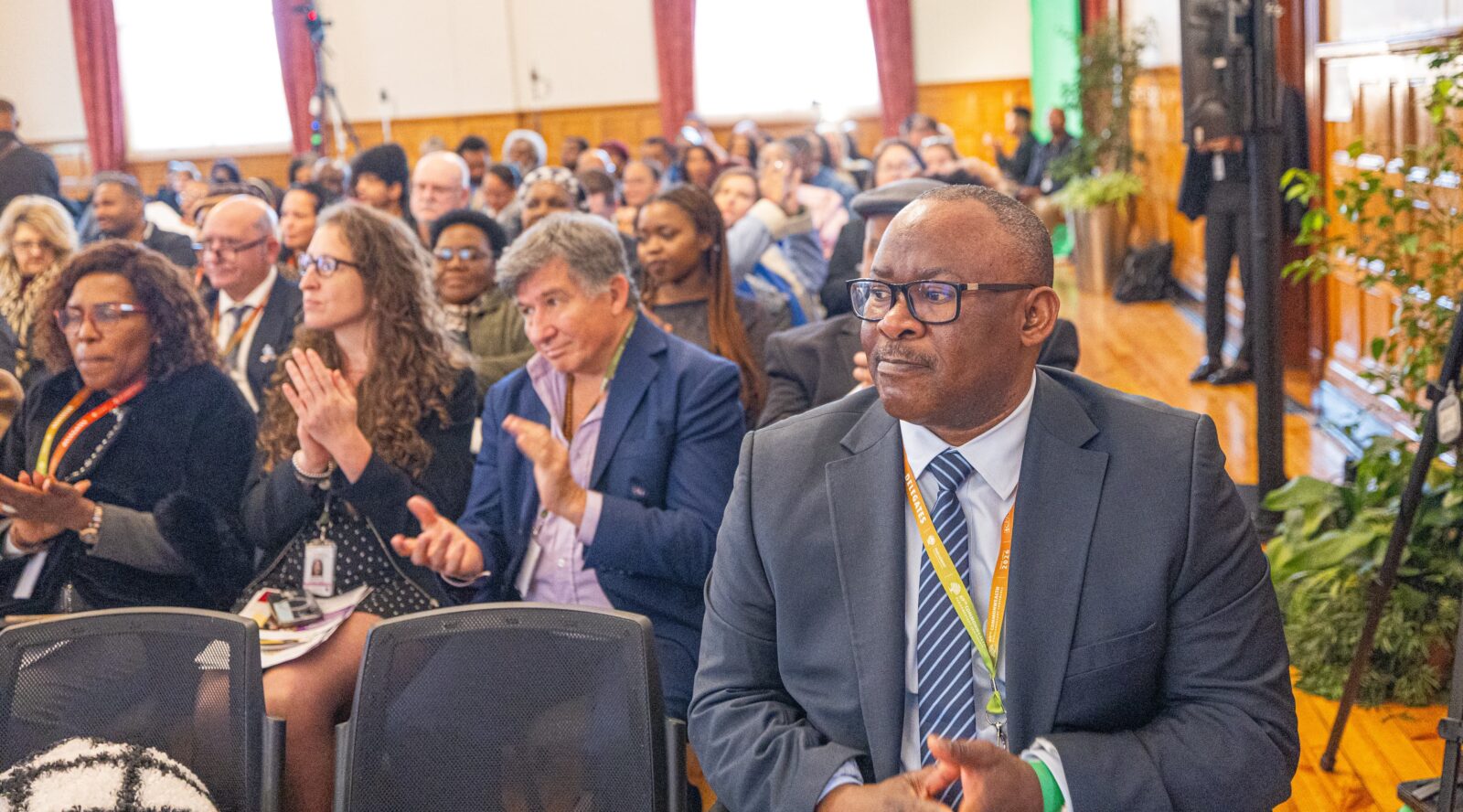
Legislators attending the 69th Commonwealth Parliamentary Conference (CPC) in Cape Town, South Africa, have accused their respective governments of failing to address the challenges faced by persons living with disabilities (PLWDs), despite the existence of laws and policies intended to protect their rights.
During a session on how parliaments can legislate for disability inclusion, MPs from different Commonwealth countries expressed frustration with what they described as poor implementation of disability laws, exclusion from employment and business opportunities, and inadequate access to essential services.
The lawmakers argued that governments had largely failed to enforce legal and policy frameworks designed to safeguard the welfare of people with disabilities, leaving many to endure poverty, discrimination and social exclusion.
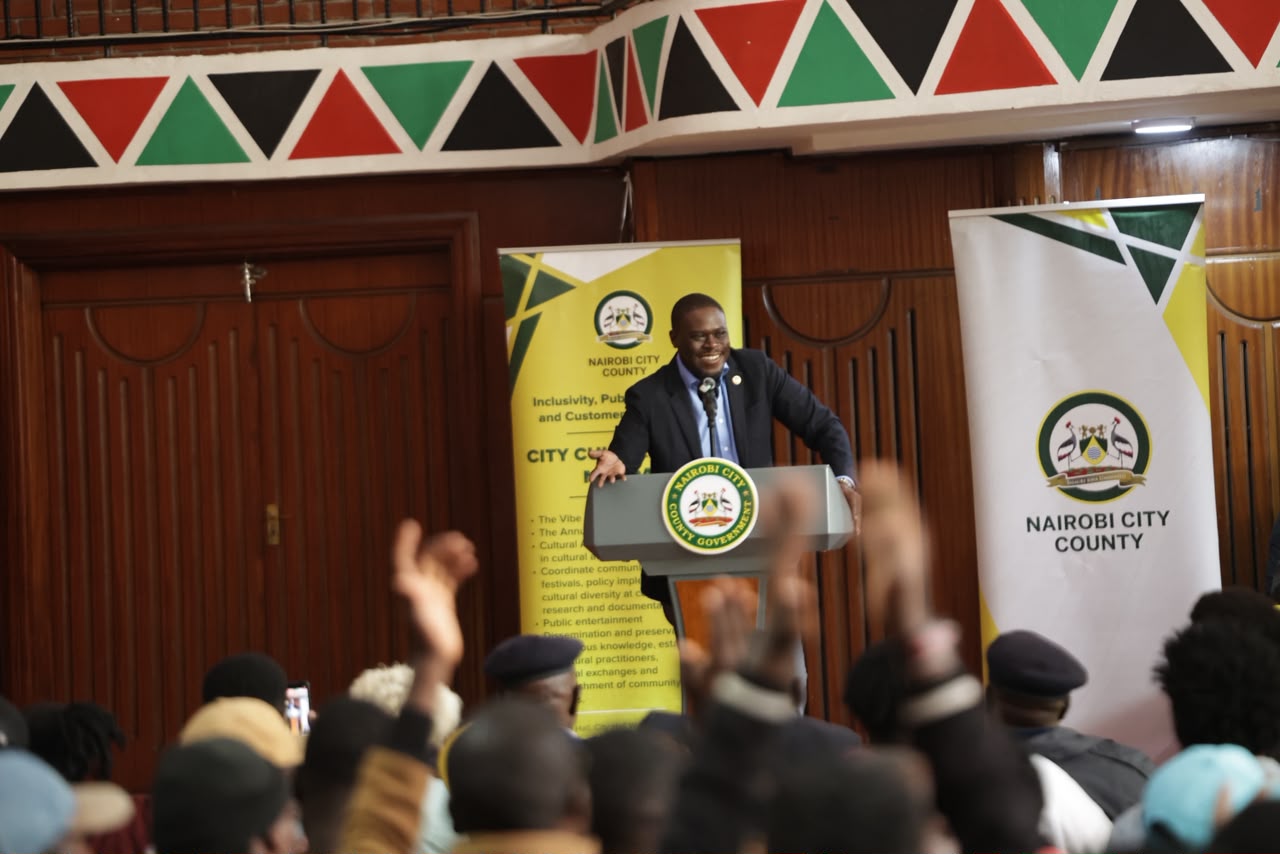
Westlands MP Tim Wanyonyi said Kenya had made progress in enacting laws to support persons with disabilities but noted that implementation remained a major challenge.
He said that some government officials continued to disregard the provisions without facing consequences.
“We have seen cases where PLWDs have been excluded from appointments to senior government positions. Such decisions kill the spirit of inclusivity,” Wanyonyi told the meeting.
He added: “We have PLWDs who have the qualifications for positions in government but are bypassed in appointments.”
The legislator also raised concerns about the violation of a law that allows public servants with disabilities to retire at the age of 65 instead of 60.
“I have handled many cases involving disabled public servants forced to retire at 60, contrary to the law that allows them five more years,” he said.
On access to economic opportunities, Wanyonyi said that many persons with disabilities continued to be denied employment and government procurement opportunities, despite legal provisions requiring public institutions to reserve a percentage of jobs and tenders for them.
“The law clearly states that at least 30 per cent of government tenders should be reserved for PLWDs, but that does not happen in many government departments,” he said.
He further criticised government officials who, when questioned by parliamentary committees, often claimed that people with disabilities either failed to apply for available jobs or lacked the capacity to undertake government contracts.
While acknowledging that the Parliament of Kenya had made significant strides in improving accessibility within its buildings, Wanyonyi noted that many public and private institutions remained inaccessible to people with disabilities.
He called for stricter enforcement of existing accessibility laws to ensure equal access to services and opportunities.South African MPs, led by Tsehofatso Chauke, echoed similar concerns, accusing their government of failing to enact comprehensive legislation to address the needs of persons with disabilities and of neglecting the implementation of existing policies.
“It is embarrassing that South Africa, a country perceived as a developed state, has no laws to address issues affecting PLWDs. They have left such unfortunate people on their own,” said Chauke.
She noted that the government department responsible for disability affairs remained among the least funded, despite the growing needs of people with disabilities.
“I am lucky that, as a blind legislator, I can easily access essential services, but other ordinary disabled people cannot access basic needs,” she said.
According to Chauke, South Africa continues to lag in addressing disability-related challenges due to inadequate political goodwill and weak commitment to implementing policies to improve the lives of persons with disabilities.
Chairing the session, Dr Marlene Le Roux challenged legislators across the Commonwealth to use their parliamentary positions to champion the rights of persons with disabilities and to push for stronger laws, policies and oversight mechanisms that promote inclusion and improve their quality of life.