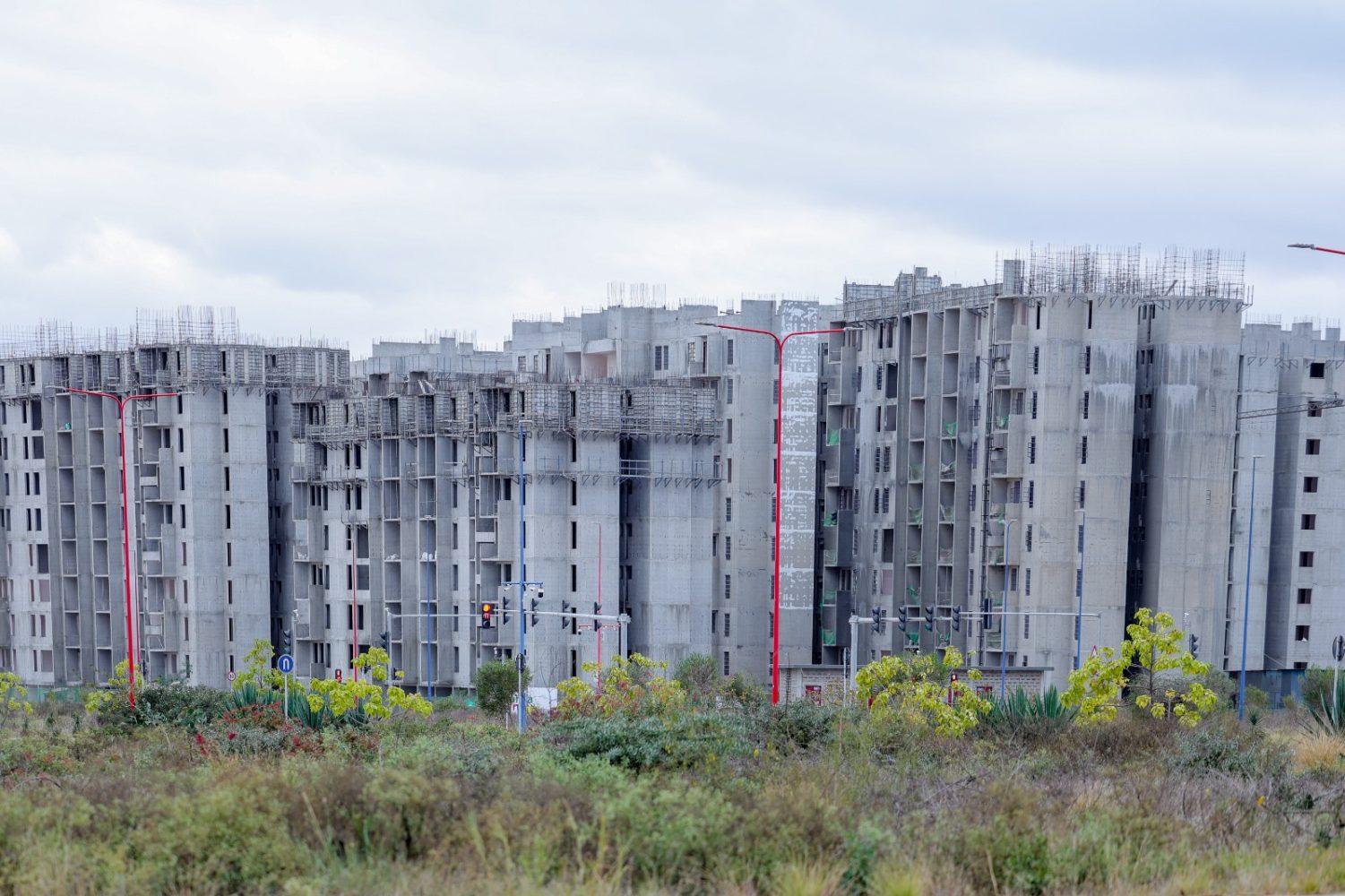


- Landmark zoning decisions provide clarity on building heights and development control, with Governor Sakaja calling for coordinated efforts by government agencies and professionals to accommodate Nairobi’s growing population through properly planned vertical development.
The Supreme Court has overturned the 20-floor restriction imposed by lower courts in the Rhapta Road zoning dispute, clarifying the legal framework governing building heights and development control in Nairobi in a decision that could shape the city’s future skyline.
In its judgments on the Rhapta Road and Mbaazi Avenue zoning disputes delivered on Friday, October 30, the Supreme Court ruled that the Nairobi City County Development Control Policy, 2021, was a draft document that had not acquired the force of law and could therefore not be relied upon independently to determine zoning classifications or impose building-height restrictions.
The decisions clarify that the responsibility for establishing zoning regulations and determining permissible building heights rests with the relevant planning authorities operating within the law, rather than courts prescribing development limits.
For developers and investors, the ruling provides greater clarity and certainty on the legal framework governing high-rise developments. However, it does not grant developers a blanket licence to construct buildings of any height or undertake developments without the necessary approvals.
The judgments also come against the backdrop of the Nairobi City County Development Control Policy, 2026, gazetted on June 19, which provides an updated framework for zoning, building heights, density controls and development approvals.
Welcoming the court’s position, Governor Johnson Sakaja said the decisions reinforce the need for Nairobi to embrace vertical development as the city responds to growing demand for housing, commercial space and investment.
“Nairobi is a growing city, and we must plan for its future. We cannot continue expanding horizontally indefinitely when land is increasingly limited and the demand for housing, commercial space and investment continues to rise,” Sakaja said.
The Governor said high-rise buildings were necessary for Nairobi to make efficient use of its limited land, accommodate its growing population and strengthen its position as a modern regional economic hub.
“We must embrace vertical development and allow Nairobi to grow upwards through properly planned and regulated high-rise buildings. If we bring together all the relevant government agencies, institutions and professionals in the construction industry, and each plays its part, we can build a city that responds to the growing demand for housing and commercial space.
“Tall buildings are necessary for a modern, competitive city that makes efficient use of available land, supports economic growth and accommodates its growing population,” he said.
Sakaja, however, emphasised that vertical development must be accompanied by adequate infrastructure, environmental safeguards and strict adherence to planning regulations.
“This growth must be orderly and sustainable. Building heights and developments must be guided by approved zoning regulations, infrastructure capacity, environmental considerations, public safety and the applicable planning laws,” he said.
The Governor noted that the Supreme Court’s decisions reinforce the County’s responsibility to plan, regulate and guide development in accordance with the law, while balancing the interests of investors, property owners and residents.
Under the updated 2026 Development Control Policy, proposed developments must be assessed against applicable zoning requirements, building standards and the capacity of essential infrastructure, including roads, water supply, sewerage and drainage systems.
Developers will still be required to obtain the necessary approvals from Nairobi City County and comply with environmental regulations, building standards and public participation requirements.
The ruling also does not take away residents’ right to raise concerns about developments that may affect their neighbourhoods, safety, environment or access to essential services.
“Our ambition is not to stop development, but to ensure that Nairobi grows responsibly. We want a city that attracts investment, creates opportunities and provides housing while protecting the interests and quality of life of its residents,” Sakaja said.
The Governor says the county would continue implementing its development control mandate under the applicable legal framework, with a focus on promoting orderly urban growth, protecting neighbourhoods and ensuring infrastructure keeps pace with development.
The decisions mark an important moment in Nairobi’s urban planning debate, as the city seeks to balance growing demand for vertical development with the need for sustainable, safe and properly regulated neighbourhoods.