
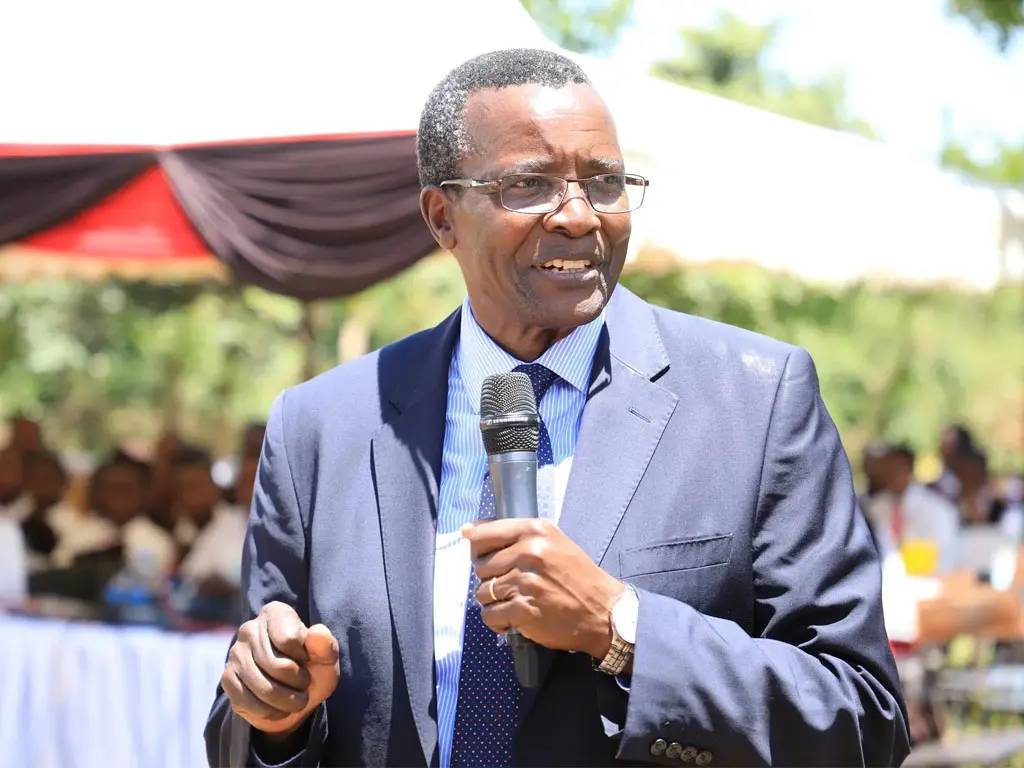
Former Chief Justice and Presidential Aspirant David Maraga has criticized the government’s handling of compensation for police brutality victims, arguing that paying out damages while leaving the officers responsible untouched, amounts to nothing more than a “half measure” rather than genuine justice.
Speaking during an interview on NTV on Thursday morning, Maraga made clear that his concern is not with compensating victims itself, but with how the entire process is being managed.
“When we have courts, they should have just identified those people and then let the courts determine that. The courts are neutral. They’re the ones to compensate. But when you get the same executive officials being in charge of that, it raises a lot of issues,” he said.
He singled out the complete lack of arrests as a glaring problem, asking how Kenyans can have any confidence that criminal accountability will eventually catch up with those responsible.
“Have you seen any arrests? No. So how can we talk about criminal justice coming later? When we don’t know even whether those people have been arrested,” he posed.
According to Maraga, the government’s conduct points to an effort to manage optics rather than deliver real accountability.
“These are half measures. If you want to deal with a situation and convince Kenyans the government is sorry about what has happened, it should take firm action,” he said.
The United Green Movement (UGM) Party Leader also drew attention to the deterrent purpose that prosecution and sentencing are supposed to serve, cautioning that skipping this step sets a troubling precedent for the country.
“Don’t forget, when a crime has been committed and somebody has been identified, the whole purpose of prosecution and sentencing is deterrence. Today it is Wanjiku. Tomorrow it could be you, it could be me,” he said.
Maraga additionally pointed out that the law only allows police officers to use firearms as a last resort, specifically when their own life or someone else’s is under serious threat.
He raised doubts as to whether that legal threshold had truly been met in the incidents currently being scrutinised.
His remarks add to the growing chorus of frustration from victims’ families and civil society groups, who continue to question why no police officers have faced prosecution over deaths and injuries linked to their conduct, even as the State pushes ahead with financial compensation for the affected families.