
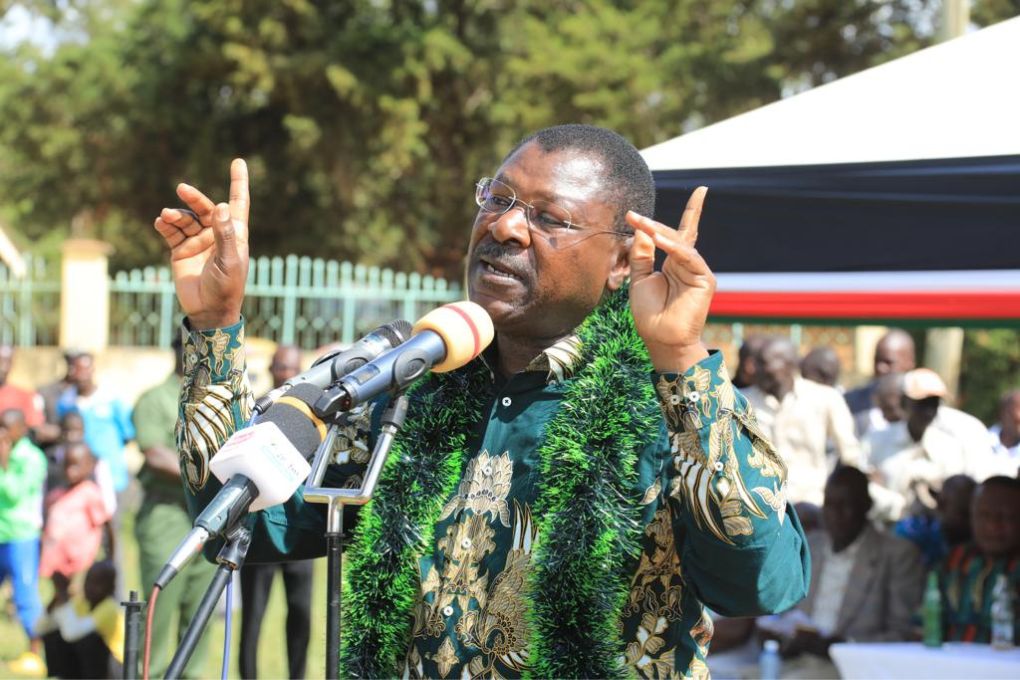
National Assembly Speaker Moses Wetang’ula has challenged the National Cohesion and Integration Commission (NCIC) to regain the trust of Kenyans and become more proactive in promoting national unity beyond election periods.
The Speaker said the Commission must confront recurring challenges that undermine its constitutional mandate and noted that it should not be seen as an institution that becomes active only during election seasons.
“NCIC suffers from serious trust issues. The Commission was formed from the ashes of the 2007 post-election violence to bridge divisions created by political differences. It should not be active only during elections,” Wetang’ula said.
He stressed that changing attitudes through ongoing civic education is critical to fostering lasting national cohesion.
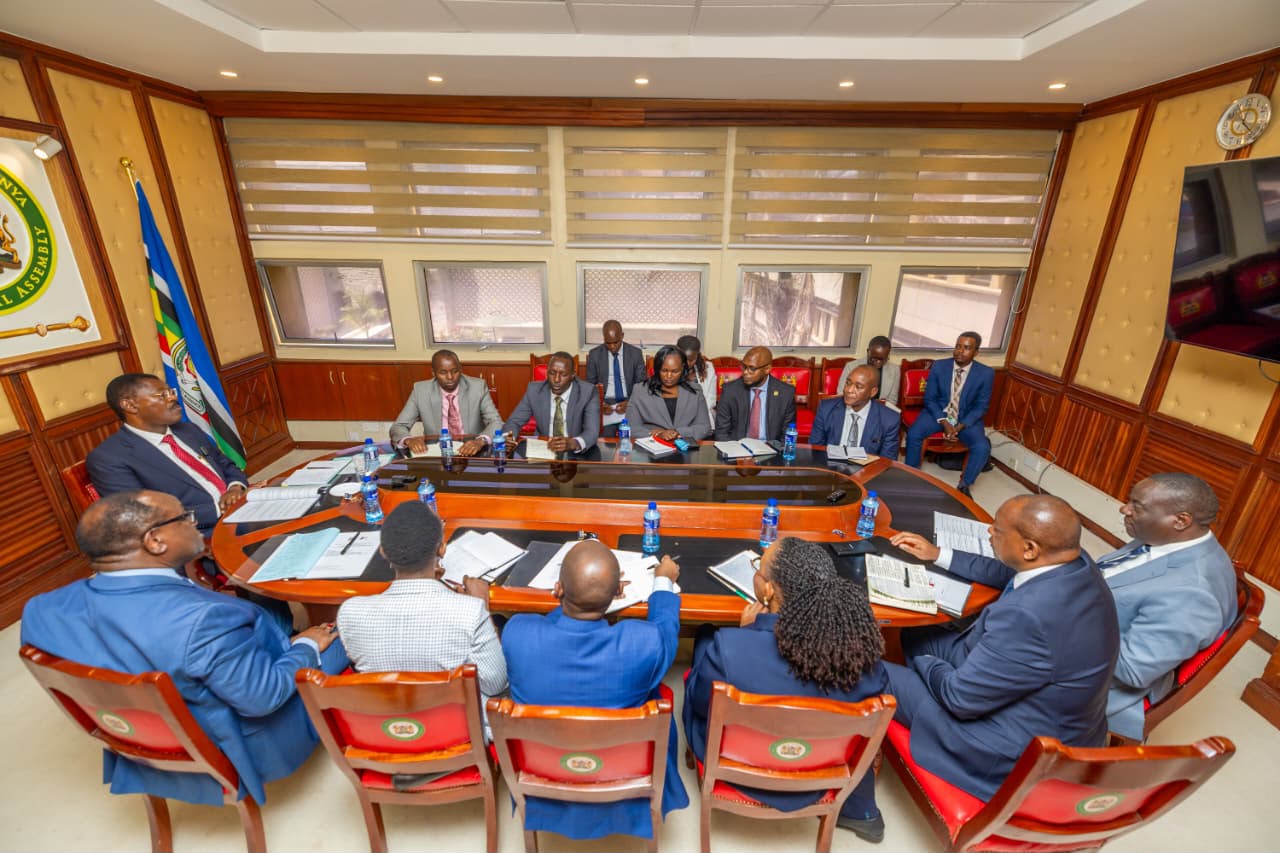
“The education process to change our mindset is far more important,” he said while addressing the Commission, led by Chairperson Bishop Kepha Omae, at Parliament Buildings.
Wetang’ula emphasized that ethnicity is not the problem, but rather how it is exploited to divide and disadvantage others.
“There is nothing wrong with belonging to a particular ethnic community. The problem comes when that identity is used to oppress and disadvantage others,” he said.
He urged the Commission to work closely with the Ministry of Education to nurture a culture of unity among young people.
“Let us help the Ministry of Education build a culture of unity among our children because they are the ones who will change the mindset of future generations,” he added.
The Speaker also called on NCIC to strengthen partnerships with the Directorate of Criminal Investigations (DCI), the Office of the Director of Public Prosecutions (ODPP), the Judiciary and the Independent Electoral and Boundaries Commission (IEBC) to enhance its effectiveness.
“You have the power to investigate, but prosecution rests with the Director of Public Prosecutions. NCIC needs to carve out its niche, clean its own house and earn the respect of Kenyans. Parliament will support the Commission within the law,” he said.
Wetang’ula noted that elections are a continuous process rather than a one-day event, saying NCIC has a vital role in combating hate speech and leaders who incite division.
“Elections are not just about casting a vote; they are a process, and NCIC has a critical role in helping police communities against hate speech and leaders who sow disharmony,” he said.
NCIC Chairperson Bishop Kepha Omae said the Commission had begun preparations for the 2027 General Election through a comprehensive roadmap focusing on prevention, engagement and collaboration.
“We have a roadmap. We are seeking collaborations with other agencies and all political players in the country. We seek to end polarisation and ethnicity,” Omae said.
He said the Commission was putting in place measures to engage political leaders and encourage responsible conduct.
“We clearly ask our leaders to tone down. We call for sanity and healthy politics,” he said.
Omae added that NCIC would deepen engagement with communities through elders, religious leaders and other opinion shapers, while also targeting schools and other learning institutions.
“We will engage schools and all other learning institutions. This roadmap will help us deal with emerging issues in our communities,” he said.
NCIC Commissioner Jerusha Mwaathime called for closer cooperation with other government agencies and urged Parliament to strengthen the Commission’s investigative mandate.
“We need stronger criminal remedies to address some incidents during investigations. The Commission’s powers need to be expanded to allow more comprehensive investigations,” Mwaathime said.