
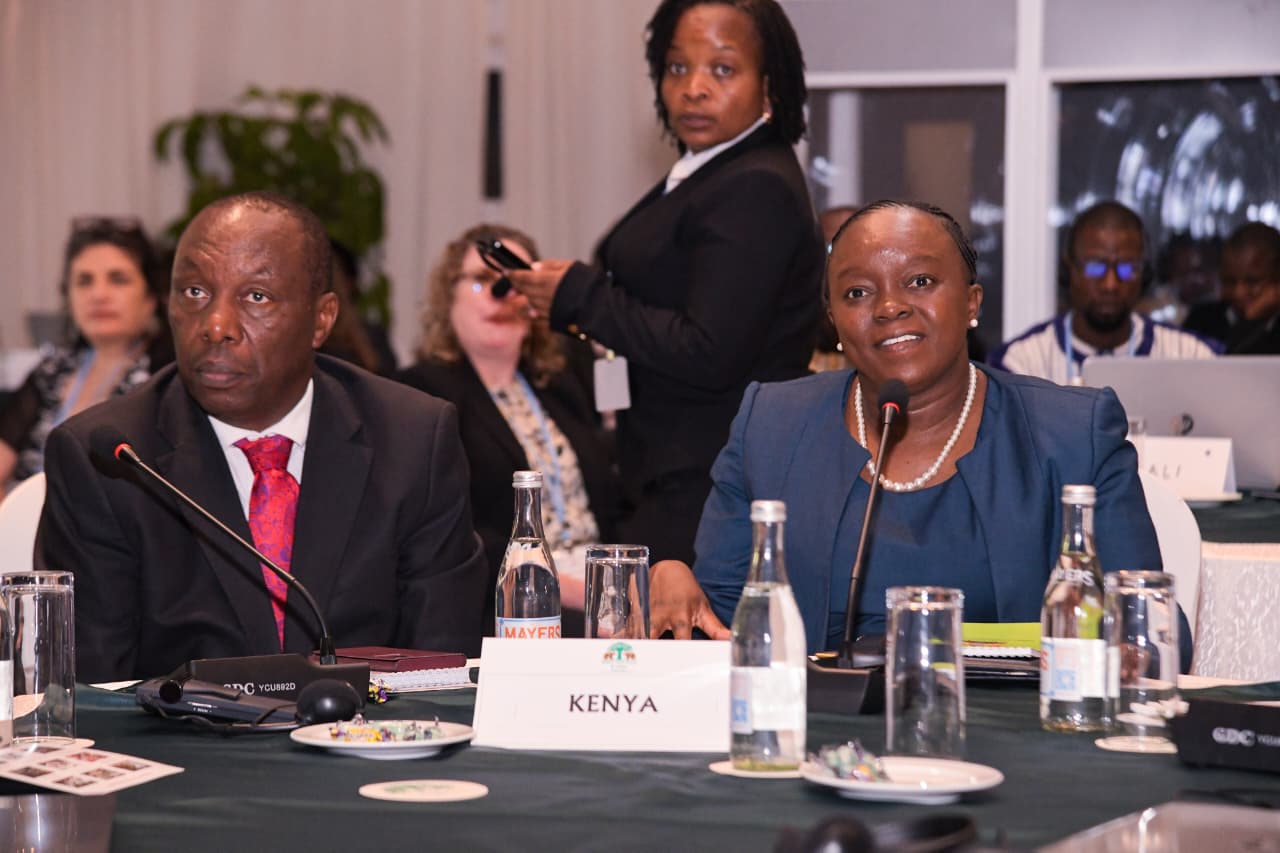
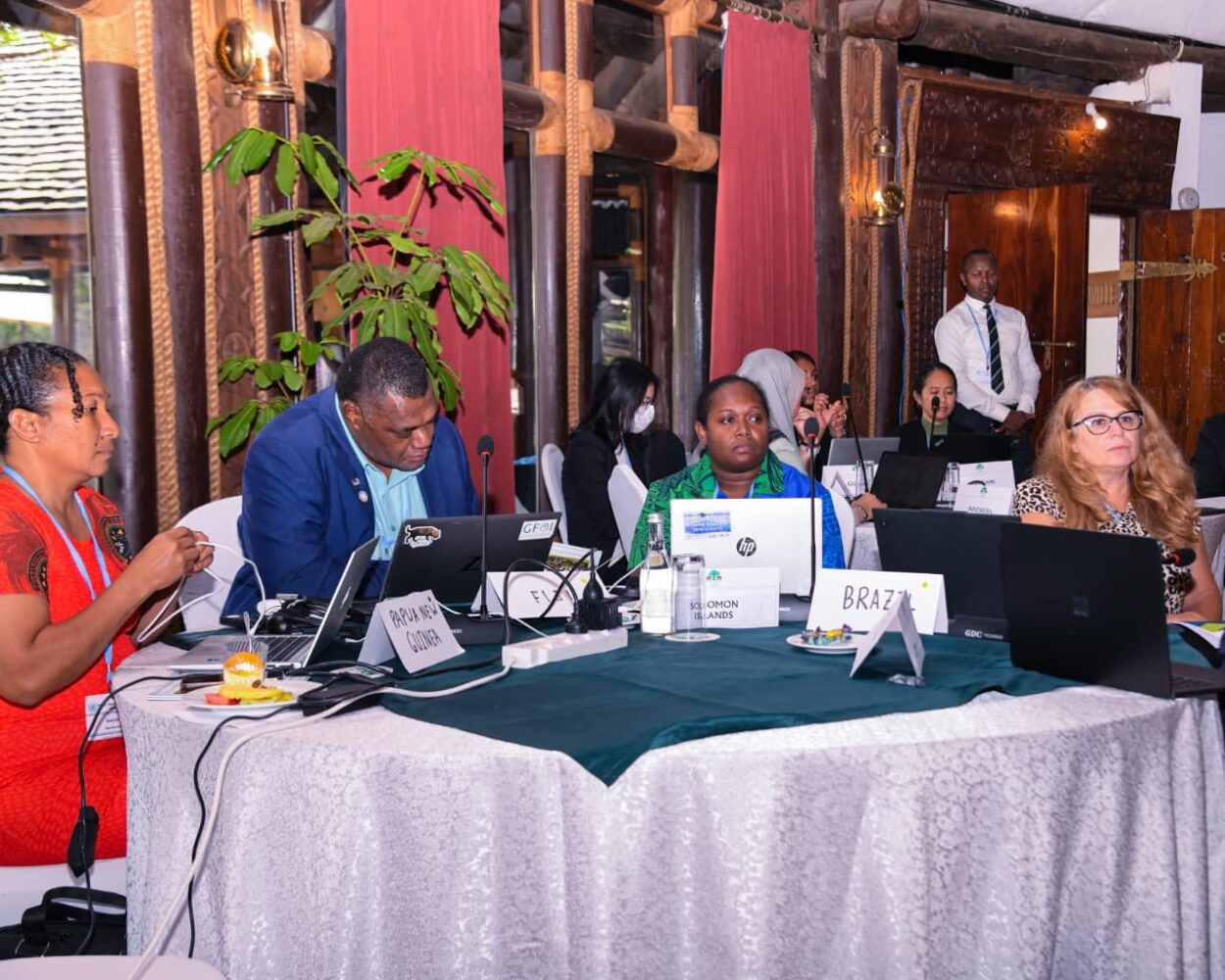
Nairobi has taken centre stage in global climate diplomacy as it hosts the First Global REDD+ Summit, convening 59 countries, four donor nations and 14 international organisations, including the Green Climate Fund (GCF), Green Climate Fund (GCF), the United Nations Framework Convention on Climate Change (UNFCCC), the Food and Agriculture Organisation (FAO), the United Nations Environment Programme (UNEP) and the UN-REDD Programme, VERRA, and the ART Secretariat.
The high-level gathering is setting the tone for a renewed global push to redefine forests not only as environmental assets, but as critical systems for economic survival, social stability, and climate resilience.
Speaking at the inaugural summit, Cabinet Secretary for Environment, Climate Change and Forestry Dr. Deborah Barasa underscored a shift in how forests are understood in development and policy circles, noting that their value extends far beyond carbon storage.
She said forests form the backbone of water systems, agricultural productivity, energy reliability and rural livelihoods, warning that continued degradation threatens both environmental balance and socio-economic stability.
“Forests sustain water towers, support biodiversity, protect cultural identity, and provide livelihoods for millions. When they are destroyed, the ripple effects are felt across food systems, economies, and even national security,” she said.
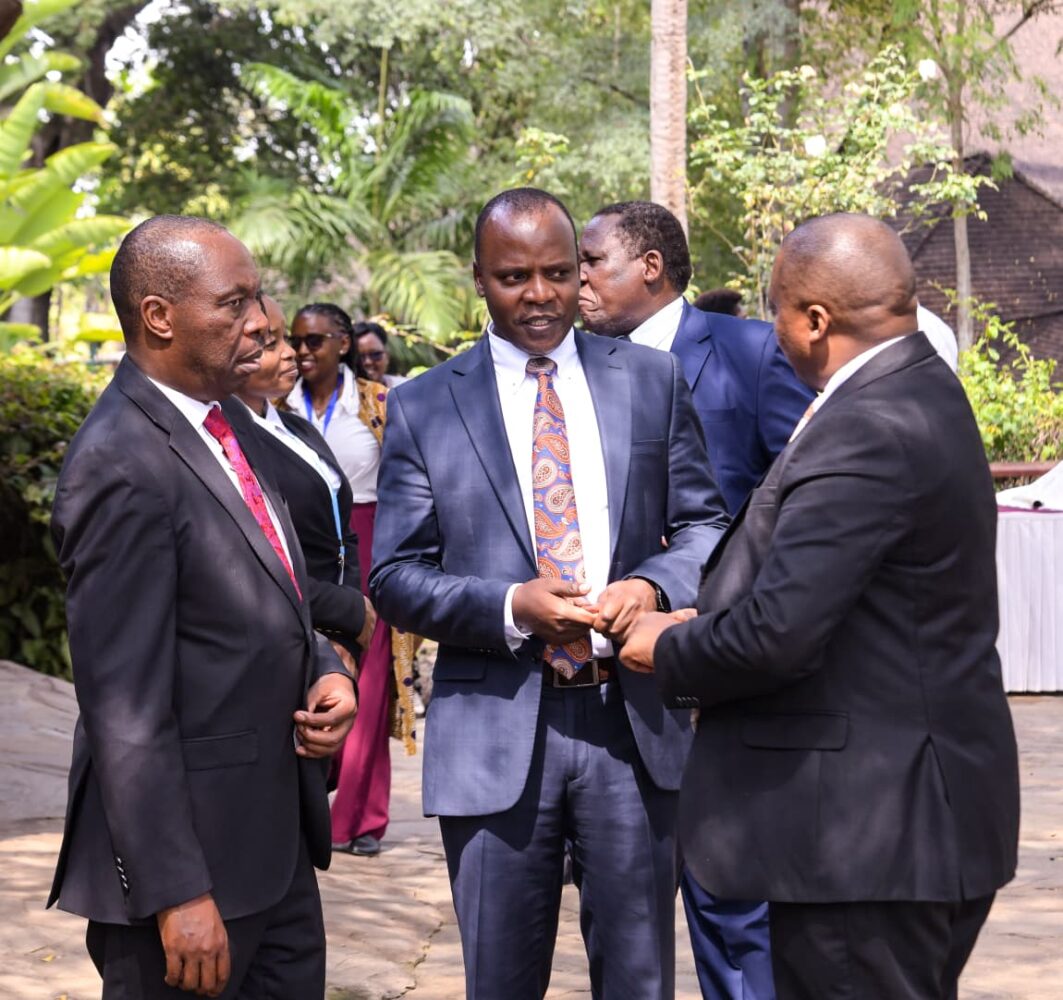
CAPTION: Forestry Principal Secretary Gitonga Mugambi (L) with Forestry Secretary and National REDD+ Focal Point George Tarus during the First Global REDD+ Summit in Nairobi, ahead of the high-level sessions on forest conservation and climate action.
Dr. Barasa emphasised that the global climate agenda is increasingly recognising forests as strategic infrastructure within the broader fight against climate change.
She noted that REDD+ has become a key mechanism under the Paris Agreement, linking forest conservation with performance-based climate finance and carbon markets.
Kenya’s leadership in forest governance was highlighted as a model for emerging economies, with milestones such as the National REDD+ Registry, the Safeguards Information System, and a strengthened National Forest Monitoring System cited as key reforms enhancing accountability and transparency.
The Cabinet Secretary stressed that these systems are designed not only to track emissions but also to ensure that Indigenous Peoples and local communities directly benefit from forest conservation initiatives.
The summit comes at a time when deforestation is increasingly being linked to broader vulnerabilities, including climate-induced displacement, declining agricultural yields, and competition over natural resources.
According to Dr. Barasa, the urgency of the moment is underscored by the need to accelerate implementation of global commitments to halt and reverse forest loss by 2030.
Over the course of the summit, countries are expected to deliberate on REDD+ strategies, carbon accounting systems, safeguards frameworks, and mechanisms for mobilising climate finance.
A key focus will be improving alignment between international carbon market systems and national forest governance structures.
Dr. Barasa called for stronger collaboration between governments, development partners, and civil society, stressing that effective forest restoration requires shared responsibility and inclusive participation.
As the First Global REDD+ Summit continues in Nairobi, the discussions are signalling a shift in global thinking, where forests are increasingly viewed not just as ecological assets, but as foundational systems for economic security, climate resilience and global stability.