Sickle cell warriors in Bungoma County have called for mandatory sickle cell screening across Western and Nyanza regions to help curb rising cases of the blood disorder and promote early diagnosis and management.
The warriors said mandatory screening, particularly among couples planning to marry, would help people understand their sickle cell status and make informed reproductive decisions, reducing the risk of children being born with the chronic disease.
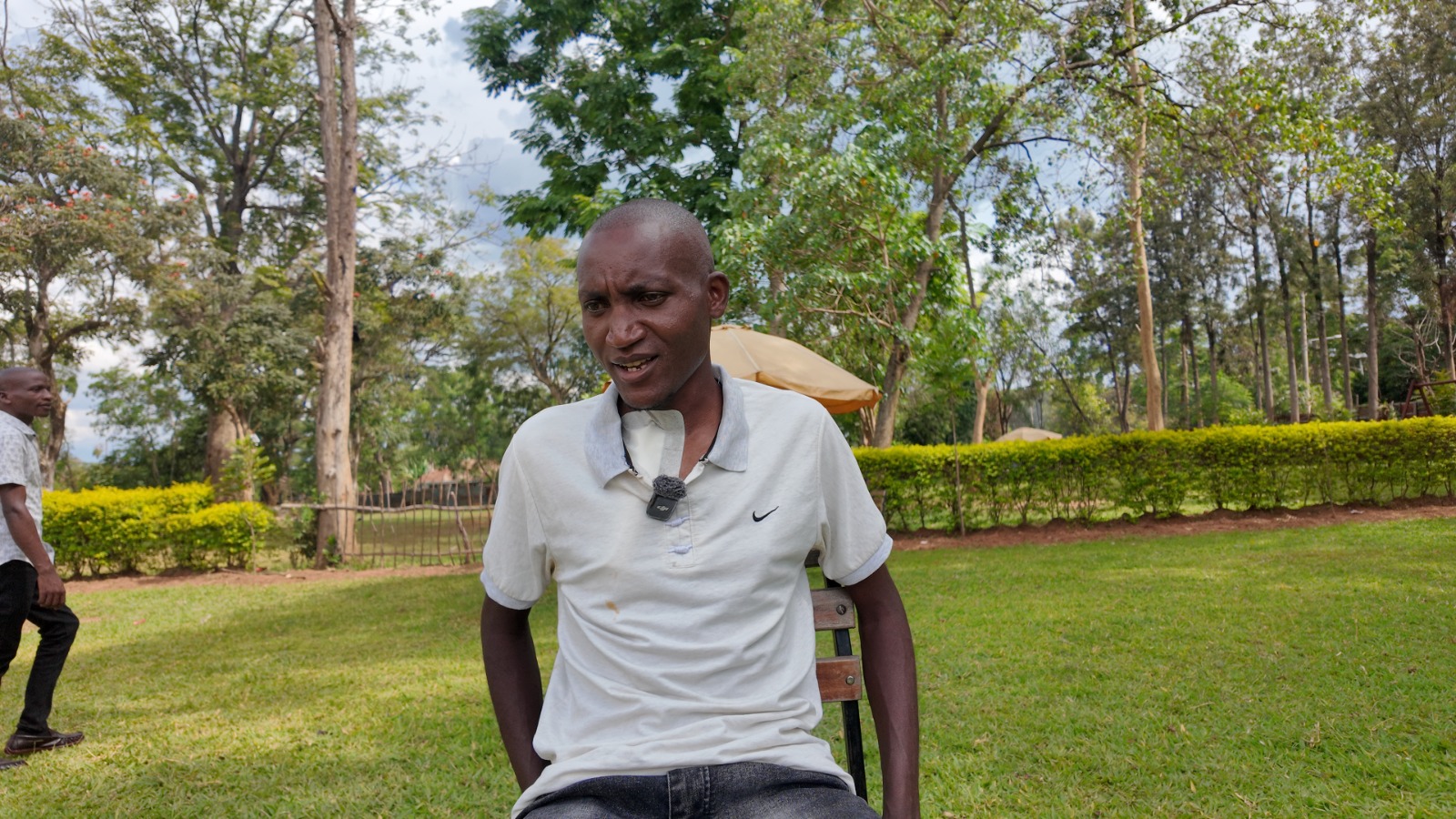
Speaking in Bungoma during a free medical camp and sickle cell awareness outreach, 24-year-old Duncan Ekaya, a sickle cell warrior, said he was diagnosed with the condition when he was three months old.
Ekaya said living with the condition had been challenging, with frequent hospital admissions and the need for regular medication and care.
He, however, applauded his parents for standing by him and ensuring that he received the medical attention he needed throughout his childhood and into adulthood.
He said the main objective of the camp was to create awareness about sickle cell disease and encourage people to know their genotype before entering into marriage.
“Through this event in Bungoma, we want to create awareness in the community so that people know their sickle cell status. This can help reduce the number of children born with the blood disorder,” Ekaya said.
He urged couples to undergo genotype testing before marriage and seek professional counselling to understand the possible health implications for their children.
“Before getting married, it is important to know your genotype and that of your partner. If both partners are carriers, they should seek counselling and understand the risks involved before making reproductive decisions,” he said.
Ekaya, who has sickle cell disease, said people living with the condition should not be discriminated against because of their health status.
He dismissed misconceptions that sickle cell disease is caused by witchcraft or curses, saying it is a genetic blood disorder that requires proper medical care and community support.
“Sickle cell is a genetic blood disorder. It is not witchcraft or a curse. Unfortunately, lack of information and awareness in some communities continues to fuel stigma and discrimination against people living with the condition,” he said.
The camp brought together sickle cell warriors, caregivers, health workers and community members, with free medical services and awareness activities aimed at improving understanding of the disease.
Lilian Webala, founder and chief executive officer of ZUW Afya Community Based Organization (CBO), said the organization supports sickle cell warriors in Bungoma and Kisumu counties.
Webala said the organization currently supports about 1,450 sickle cell warriors with medication, nutritional support, dignity packs and awareness programmes.
She said the organization partnered with Bungoma County Referral Hospital, Hopkins Referral Hospital and other stakeholders to organize the camp as part of efforts to improve access to information and services for people living with sickle cell disease.
“For this event, we partnered with Bungoma County Referral Hospital, Hopkins Referral Hospital and other stakeholders to create awareness about sickle cell disease, its effects and the support that patients and caregivers need,” Webala said.
She said stigma remains a major challenge facing people living with sickle cell disease, noting that some patients have experienced discrimination even within their families.
Webala narrated the case of a woman from Bungoma who was reportedly divorced after her husband discovered that she had sickle cell disease.
“Some of the emotional experiences shared by couples, warriors and caregivers are among the reasons we organised this camp. We want communities to understand the disease and stop discriminating against people living with sickle cell,” she said.
Webala also raised concern over the availability and affordability of Hydroxyurea, a medicine commonly used in the management of sickle cell disease.
She said patients attending sickle cell clinics at Bungoma County Referral Hospital sometimes struggle to access the medicine at the facility and are forced to seek it elsewhere.
“Hydroxyurea is an important medicine in the management of sickle cell disease. When it is unavailable at the referral facility, patients are forced to look for it elsewhere, which can be difficult for families that cannot afford the cost,” she said.
She further called for improved access to essential medicines and better support for sickle cell patients under the Social Health Authority (SHA) system.
Absolom Simiyu, a sickle cell warrior and chairperson of Bungoma Sickle Cell Family, said frequent medicine stock-outs in health facilities were among the major challenges affecting patients.
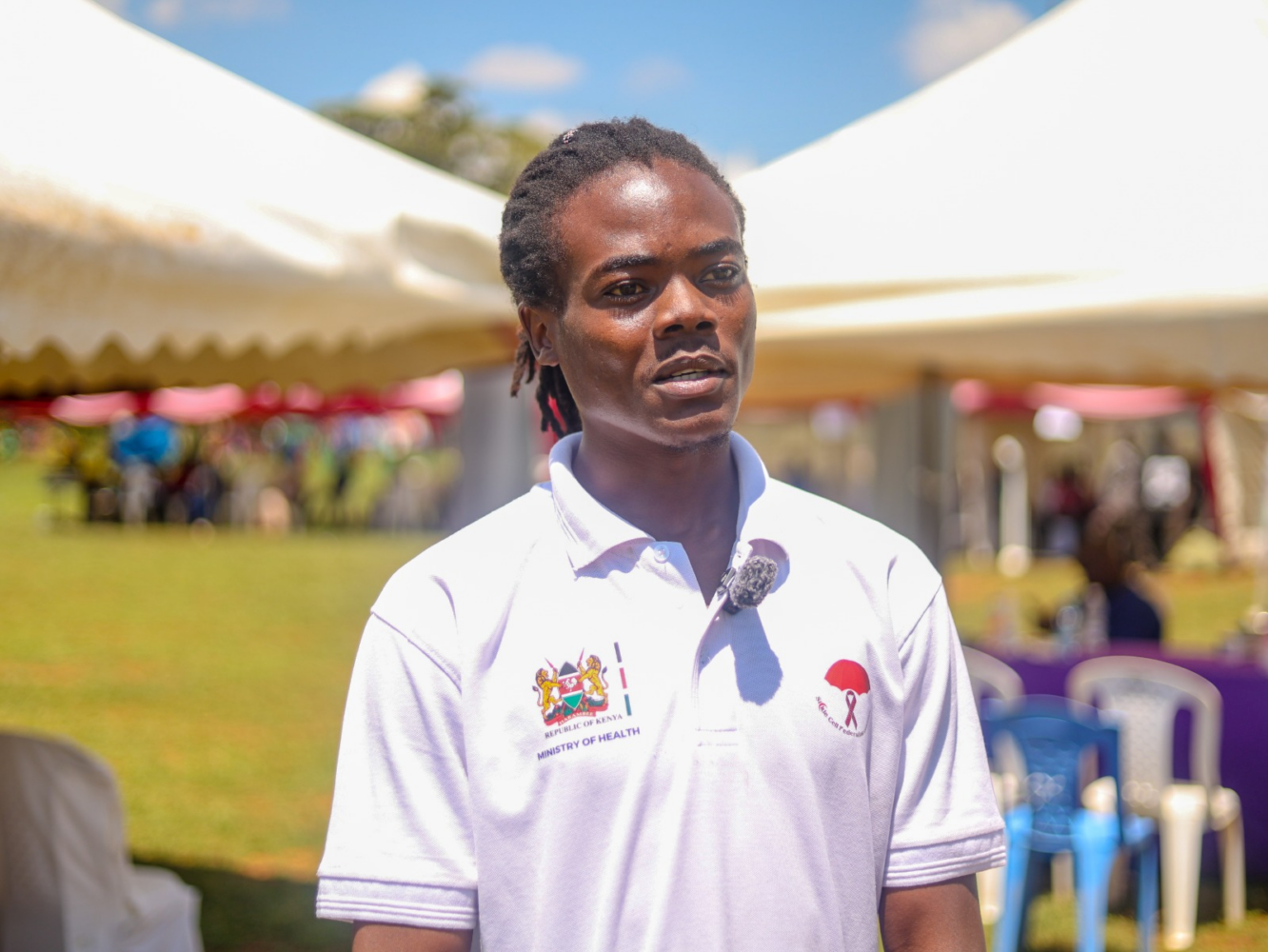
Simiyu said he leads a group of about 1,200 sickle cell warriors in Bungoma, many of whom travel to Bungoma County Referral Hospital for their regular clinics.
He said congestion at the referral facility, coupled with inadequate medicines, makes it difficult for some patients to receive consistent care.
“We have about 1,200 warriors in Bungoma, and many of them come to Bungoma County Referral Hospital for their clinics. Sometimes they arrive only to find that the medicines they need are unavailable,” Simiyu said.
He urged both the national and county governments to ensure health facilities are adequately stocked with essential medicines and consider establishing sickle cell clinics closer to communities.
“We appeal to the government to strengthen the supply of medicines and consider having sickle cell services at Level 2 and Level 3 facilities so that patients do not have to travel long distances to access care,” he said.
Simiyu said the awareness campaign was timely as September is observed as Sickle Cell Awareness Month, providing an opportunity to educate communities about the condition and challenge myths surrounding it.
Job Masinde, a nurse at Hopkins Referral Hospital, said the facility partnered with ZUW Afya CBO and Bungoma County Referral Hospital to raise awareness about sickle cell disease and promote better care for patients.
Masinde described sickle cell disease as a chronic condition that requires continuous medical care and adherence to treatment.
He urged warriors to follow medical advice and adhere to prescriptions from healthcare providers to manage symptoms and reduce complications.
“Sickle cell disease is a chronic condition, but people living with it can lead productive lives when they receive appropriate treatment and follow medical advice,” Masinde said.
He also encouraged patients to maintain adequate hydration, particularly during periods when they are at risk of dehydration.
“I encourage people living with sickle cell disease to carry a bottle of water and stay well hydrated. They should also follow the advice given by their healthcare providers,” he said.