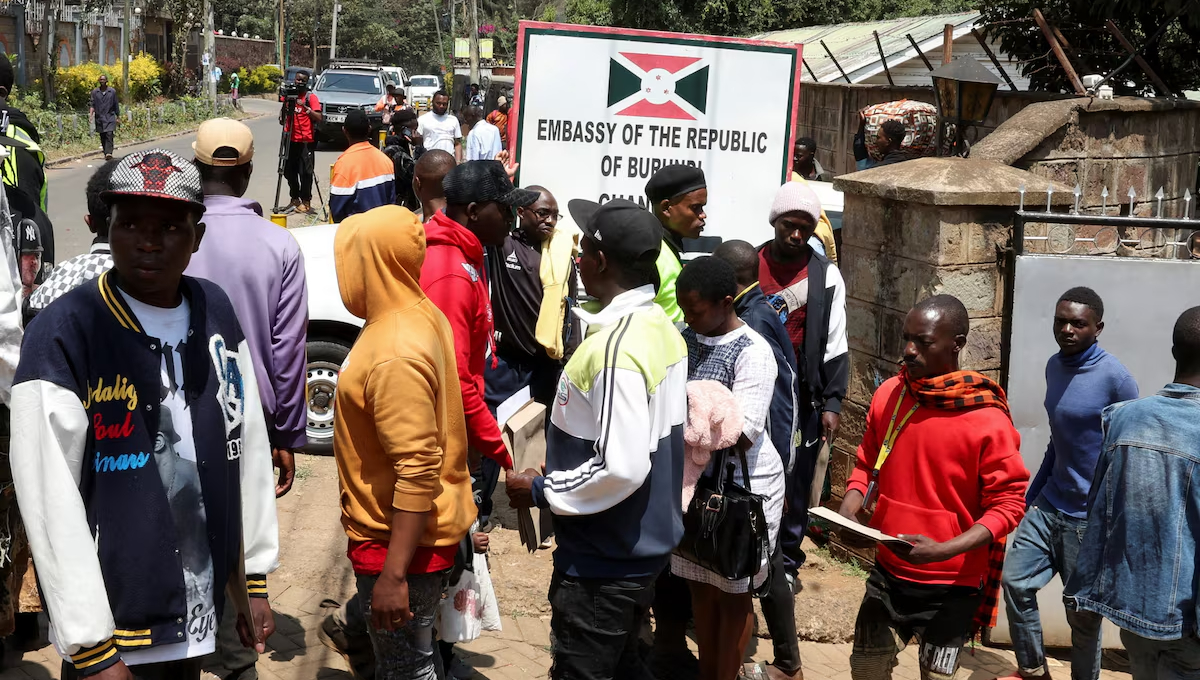
Hundreds of Burundians have continued to crowd outside their embassy in Nairobi, seeking travel documents to return home, saying they no longer felt safe in Kenya despite the government’s announcement of a 90-day amnesty for undocumented foreigners.
Many said the damage had already been done following President William Ruto’s directive last week ordering authorities to shut down small-scale businesses operated by foreign traders, saying such work should be reserved for Kenyans.
The directive triggered a wave of harassment against foreign nationals and left many feeling unwelcome regardless of any subsequent amnesty.
“The president has treated us like we are not human beings,” Habonimana Jacques, a Burundian motorcycle taxi driver, told Reuters.
“Even if we decide to remain we won’t have security because most Kenyans are already harassing us,” he said, describing the amnesty as an afterthought that came too late to restore confidence.
The sentiment was shared widely among those gathered at the embassy, some of whom had camped outside for two consecutive days without food.
“We feel unwanted here, it’s time to go home,” Eric Niyonkur, a Burundian second-hand clothes seller, told Reuters.
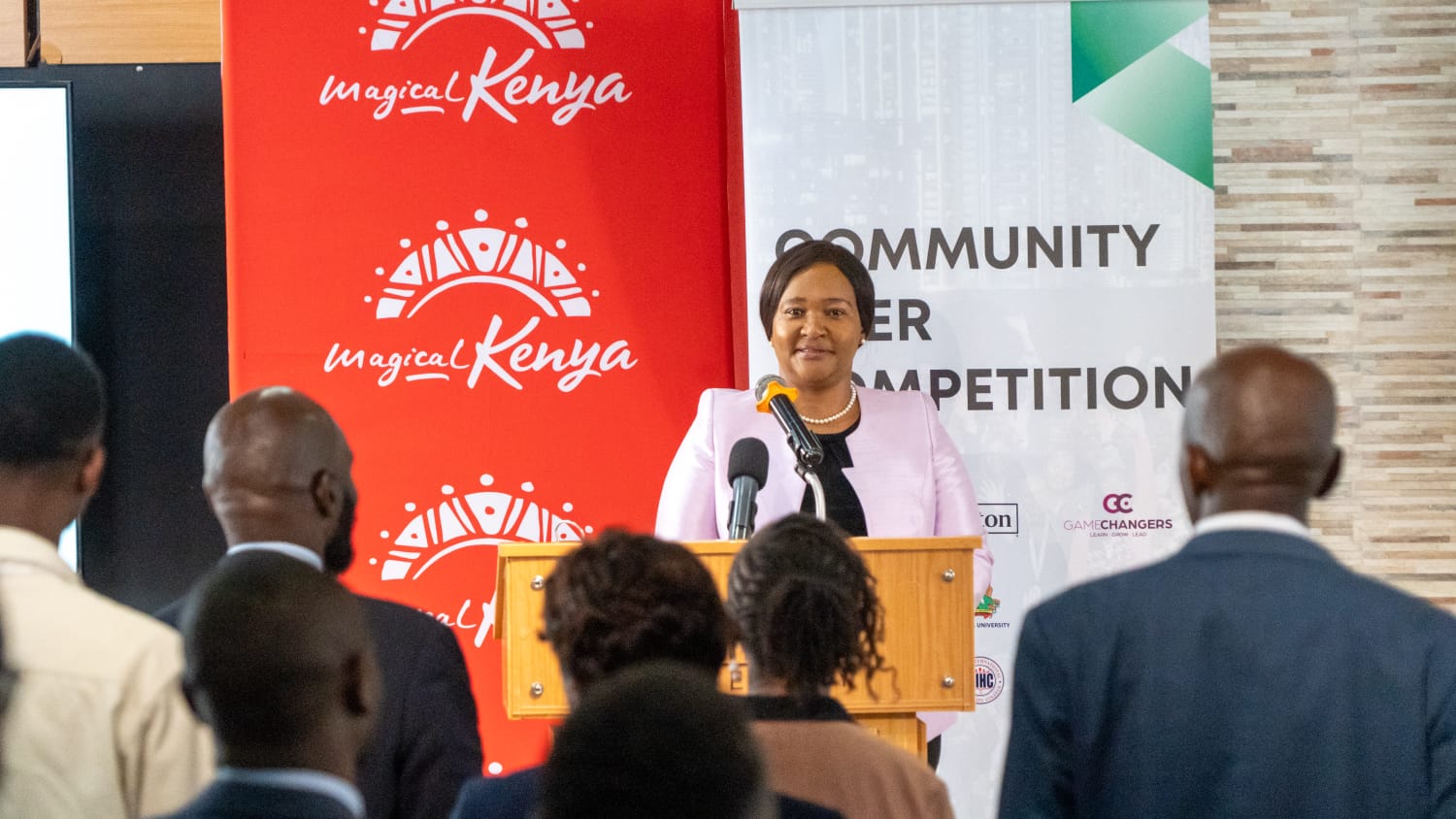
In a statement issued on Tuesday, the presidency sought to calm the situation, with spokesperson Hussein Mohamed saying the government would still safeguard the rights of registered foreigners to work in Kenya across other sectors, and giving undocumented individuals 90 days to regularise their status before enforcement operations begin.
Mohamed also warned against xenophobia, saying authorities would not tolerate discrimination, lawlessness, or violence against foreign nationals.
Critics, however, have accused Ruto of blaming foreign nationals for Kenya’s economic struggles ahead of next year’s General Election, in which he is widely expected to seek a second term.
There are approximately 16,000 Burundian refugees and asylum seekers in Kenya, according to the United Nations refugee agency.
Many work in small-scale businesses in Nairobi, selling items such as coffee and second-hand clothing, the very sector targeted by the President’s directive.