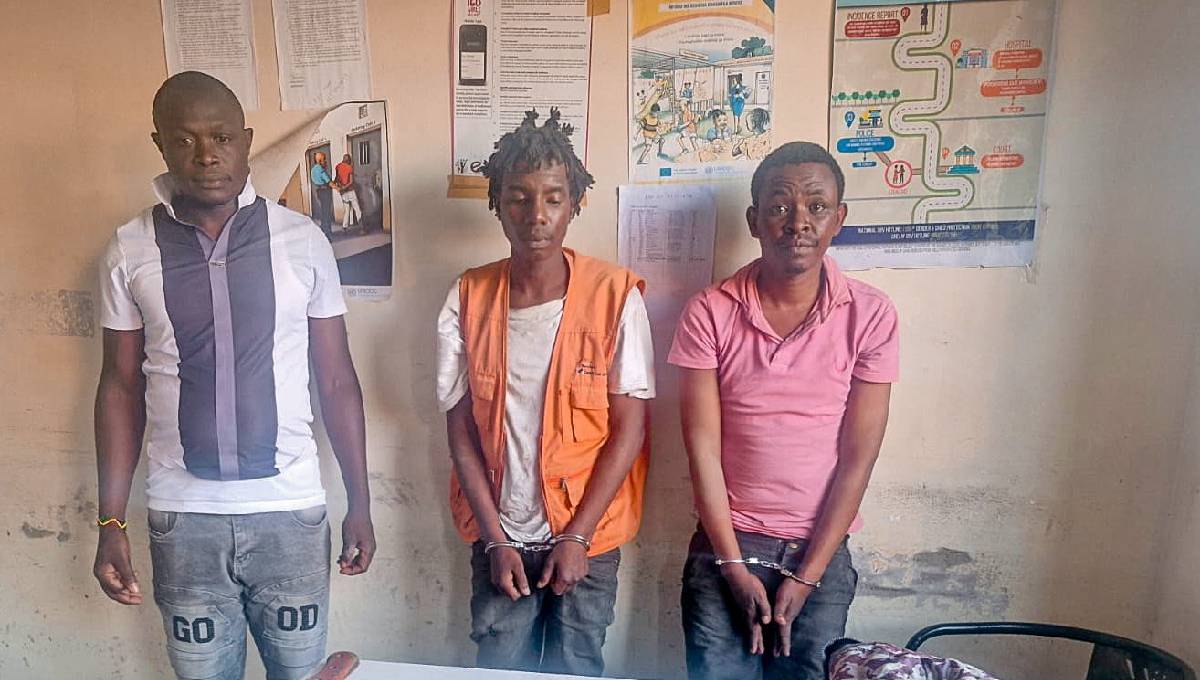

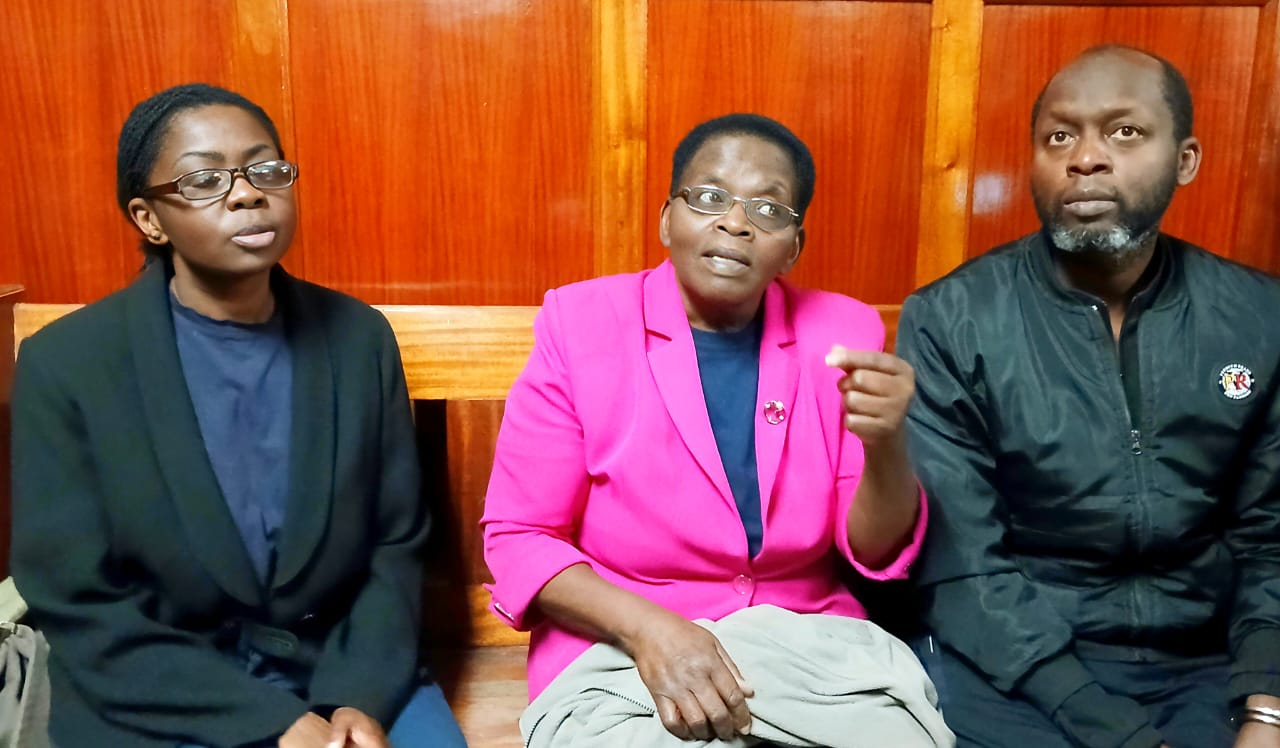
The three accused persons charged with the murder of Dr Victoria Mutiso, led by Rose Mbithe Mulwa, have asked the court to allow them to cross-examine Dr David Ndetei Mutiso over an affidavit he allegedly swore opposing their release on bail.
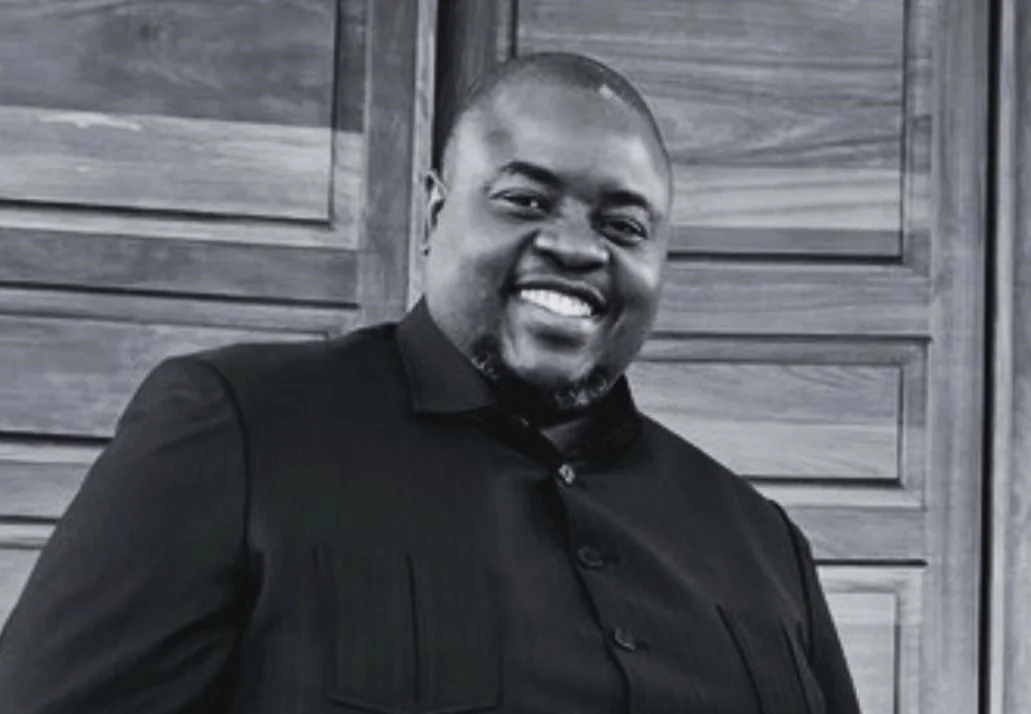
In the affidavit filed last week, Prof Ndetei urged the court not to grant bail to his ex-wife, Rose Mbithe Mulwa, and her two children, Angela Mulwa and Chris Mulwa, saying he feared for his life.
Prof Ndetei stated that even after divorcing Rose in 2001 and marrying Dr Victoria Mutiso, his estranged wife and her two children allegedly continued to threaten him and his new wife.
However, the defence has challenged the authenticity of the affidavit, arguing that Dr Ndetei was reportedly admitted to the High Dependency Unit (HDU) when he is said to have sworn the document.
Through their lawyers, the three accused persons questioned whether the affidavit was genuinely made by Dr Ndetei and applied to have him cross-examined on its contents.
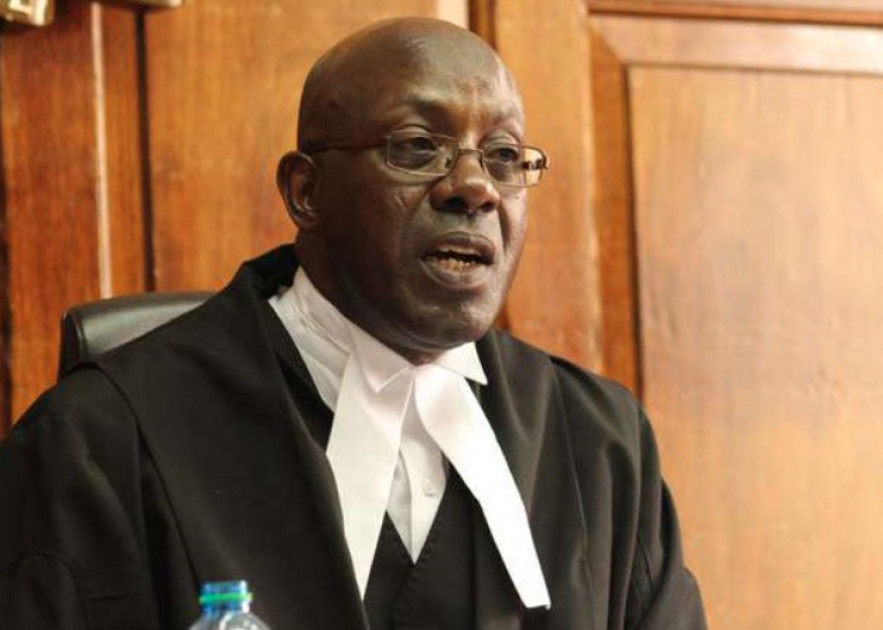
The prosecution, through lawyer Makori, opposed the application, arguing that the defence had missed the appropriate opportunity to make such a request at this stage of the proceedings.
The prosecution further submitted that the defence could not dictate how the Independent Policing Oversight Authority (IPOA) should conduct its investigations, noting that the agency was not a party to the proceedings.
The court is expected to deliver its ruling on the application on the 19th.
Meanwhile, the defence urged the court to release the three accused persons on lenient cash bail terms, arguing that they were not flight risks and had made no attempt to flee the court’s jurisdiction.
Defence lawyer Mbaluka told the court that the accused persons reside in Karen and argued that the prosecution had not presented evidence demonstrating that they were likely to abscond if released.
The defence also raised concerns over the accused persons’ health, stating that they had medical conditions requiring specialised treatment. Some of the conditions, counsel claimed, had been inflicted while the accused were in custody.
The lawyers asked the court to consider releasing the accused on cash bail rather than bond, arguing that their constitutional right to bail under Article 49(1)(h) of the Constitution should not be rendered meaningless.
“The rule is granting of bail; denial is the exception. The prosecution must prove compelling reasons accompanied by evidence,” the defence argued.
On the prosecution’s concerns about possible interference with witnesses, the defence maintained that no evidence had been presented to substantiate the allegations.
Counsel argued that a mere apprehension of witness interference was insufficient, insisting that the prosecution had a constitutional obligation to demonstrate, through evidence, a real likelihood that the accused would interfere with or intimidate witnesses.
The defence further submitted that investigators had already secured the material evidence they claimed to have recovered and were therefore in a position to preserve and analyse it without keeping the accused persons in custody.
In a separate application, the defence asked the court to order that the first, second and third accused persons be taken to Kenyatta National Hospital or Mbagathi Hospital for medical treatment.
However, the court directed that the accused persons receive treatment at the prison clinic. It further ordered that, if the officer in charge determined that they required additional medical attention, they should be escorted to a government health facility.