
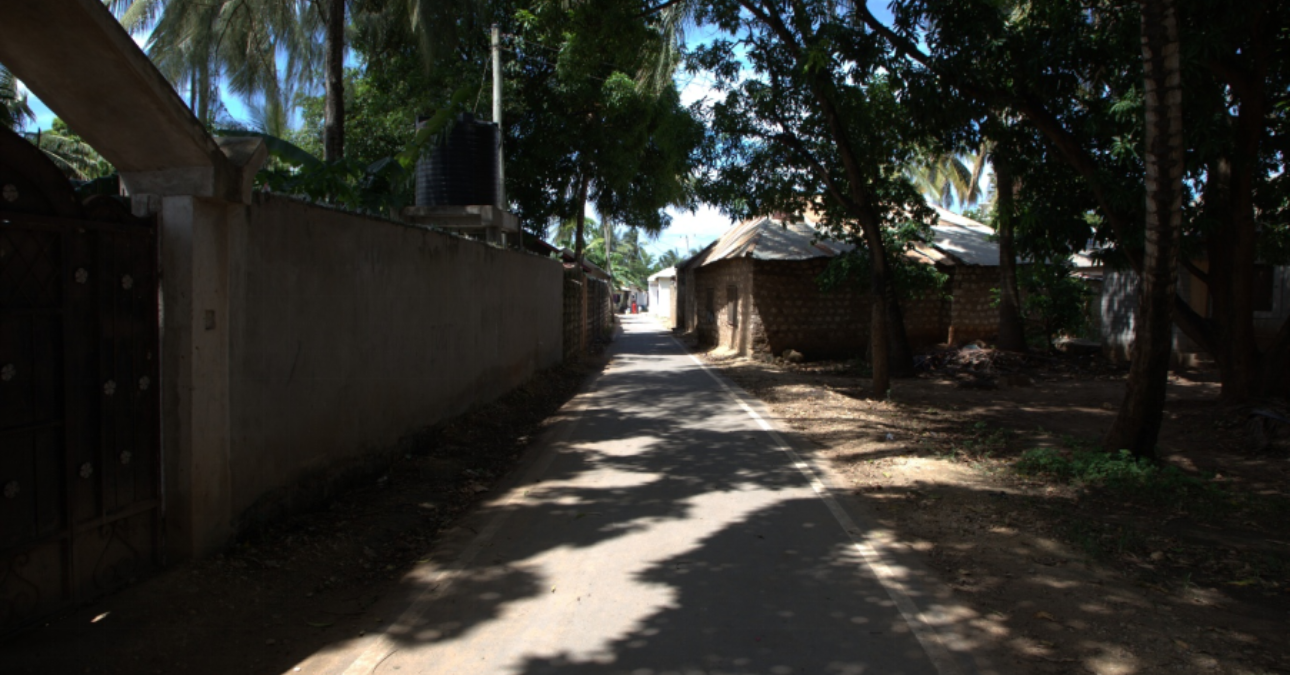
When the sun rises over Mombasa’s informal settlements today, it casts light on something that was not there a few years ago, proper tarmac roads winding through neighbourhoods that were once navigated through knee-deep mud.
The deeper transformation happening beneath the surface, in the lives of the people who live and work in these communities, is the real story of what Kenya’s Informal Settlements Improvement Project (KISIP) and the National Youth Opportunities Towards Advancement (NYOTA) programme are achieving together.
Hamza Said, a young woman from Mombasa, is one of those people. She was employed on a local road improvement project funded by KISIP, but her experience went far beyond laying tarmac.
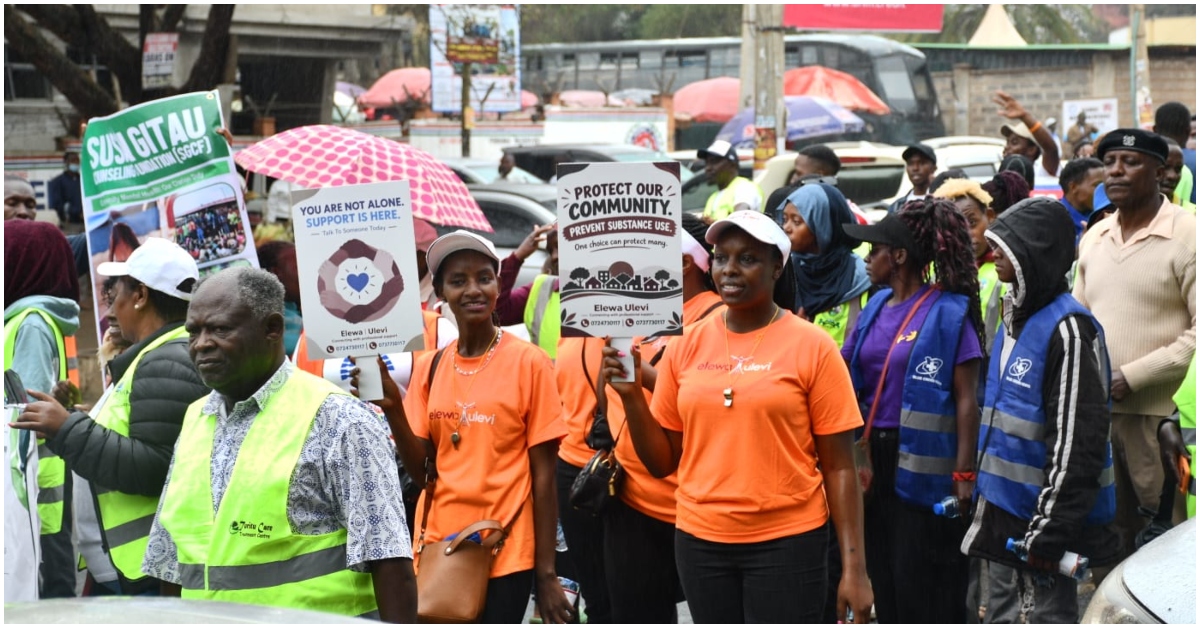
As part of the programme’s socio-economic inclusion component, Hamza underwent Socio-Emotional Skills Training (SEST), a 45-day programme designed to build communication, problem-solving, resilience, and emotional management skills in young people facing daily economic and social pressures.
“Training was very important. The knowledge is driving my goals at work on the road project and as a business person. I learnt how to avoid illnesses including sexually transmitted diseases. Change is not about other people, it is about starting where I am,” she said.
Her story is one of more than 1.3 million told across 15 urban centres where KISIP, a Government of Kenya project supported by the World Bank, has been at work.
The programme has constructed 98 kilometres of roads and 120 kilometres of footpaths, installed high-mast street lighting in areas once too dangerous to walk through at night, and issued more than 700 title deeds to Mombasa residents, giving families not just a legal claim to their land but collateral to access credit and build permanent homes.
In communities stretching from Mombasa, Kilifi, and Malindi along the coast to Nairobi’s Kayole estate, the difference is felt in everyday ways.
Streetlights mean small businesses can stay open into the evening. And for Christine Deche, a settlement resident, perhaps the most meaningful change has been the most personal, access to a toilet.
“For me, toilets are the biggest contribution by the KISIP programme. Do you imagine trekking two to three kilometres whenever you need a toilet? Looking for a nearby school or suffering the indignity of village community toilets with long queues and no proper cleaning,” she says.
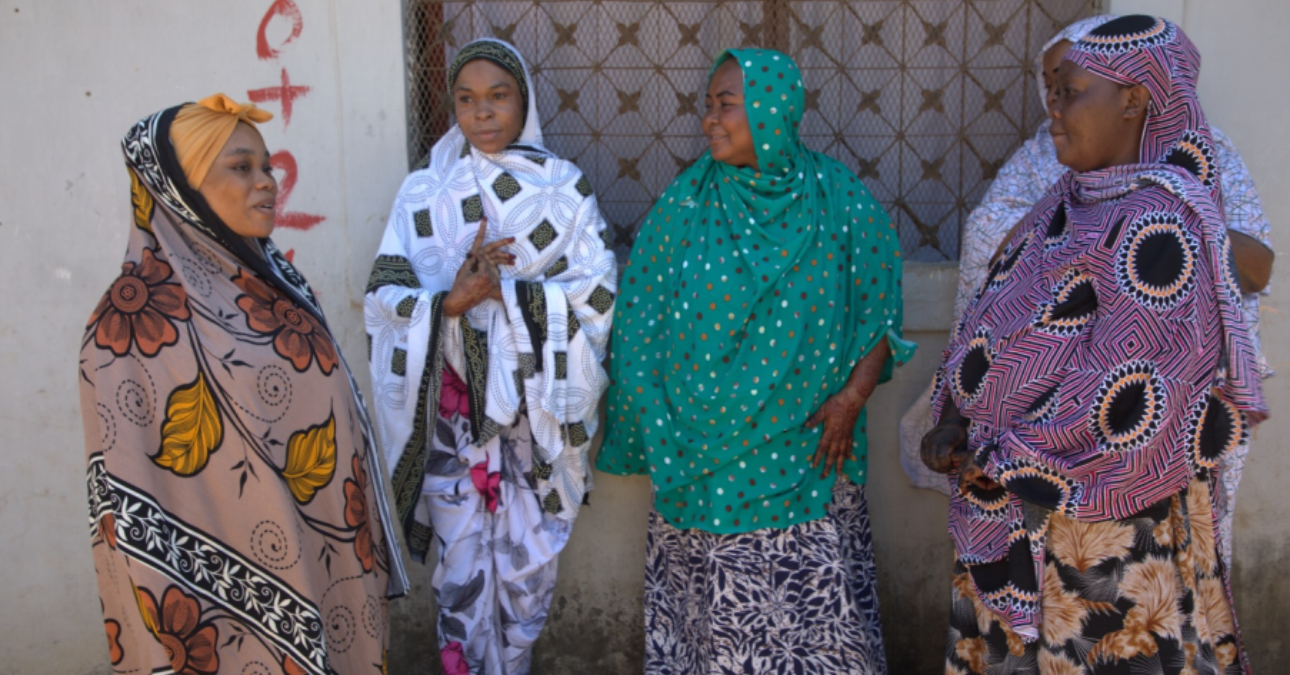
For thousands of families, the construction of individual household toilets has been about more than sanitation, it has been about dignity.
KISIP recognised early that infrastructure alone cannot break the cycle of poverty, which is why it partnered with NYOTA to address the human side of development.
The SEST programme, implemented under KISIP’s socio-economic inclusion component with technical expertise from NYOTA, has been rolled out across 23 counties, creating employment not just for participants but for trainers, trainers of trainers, and assistant trainers, multiplying the economic ripple effect far beyond the construction sites.
Zacharia Mbugua, a community leader from Malindi, has seen the impact up close.
“NYOTA was about bringing change to society at large, acknowledging that young people can drive impact. SEST is critical on whether the youth survive and building on their small businesses,” he says.
Looking ahead, the next phase of the programme will focus on on-the-job training and certification for select participants, building a more institutionalised skills pathway that extends opportunities well beyond the current project cycle.
The KISIP-NYOTA model, combining physical infrastructure upgrades with targeted human capital development, is increasingly being held up as a replicable blueprint for tackling urban poverty and youth unemployment in Kenya and beyond.
When communities are given the right roads, lights, and sanitation, and their young people are equipped with the right skills, they do not just benefit from development, they become its architects.