As Kenya’s sugar industry experiences a gradual revival, women are emerging as some of the biggest beneficiaries and key drivers of the sector’s recovery.
From planting and weeding sugarcane fields to managing farmer groups, transporting cane and running small businesses linked to sugar factories, women continue to play a critical role in sustaining the sugar belt economy.
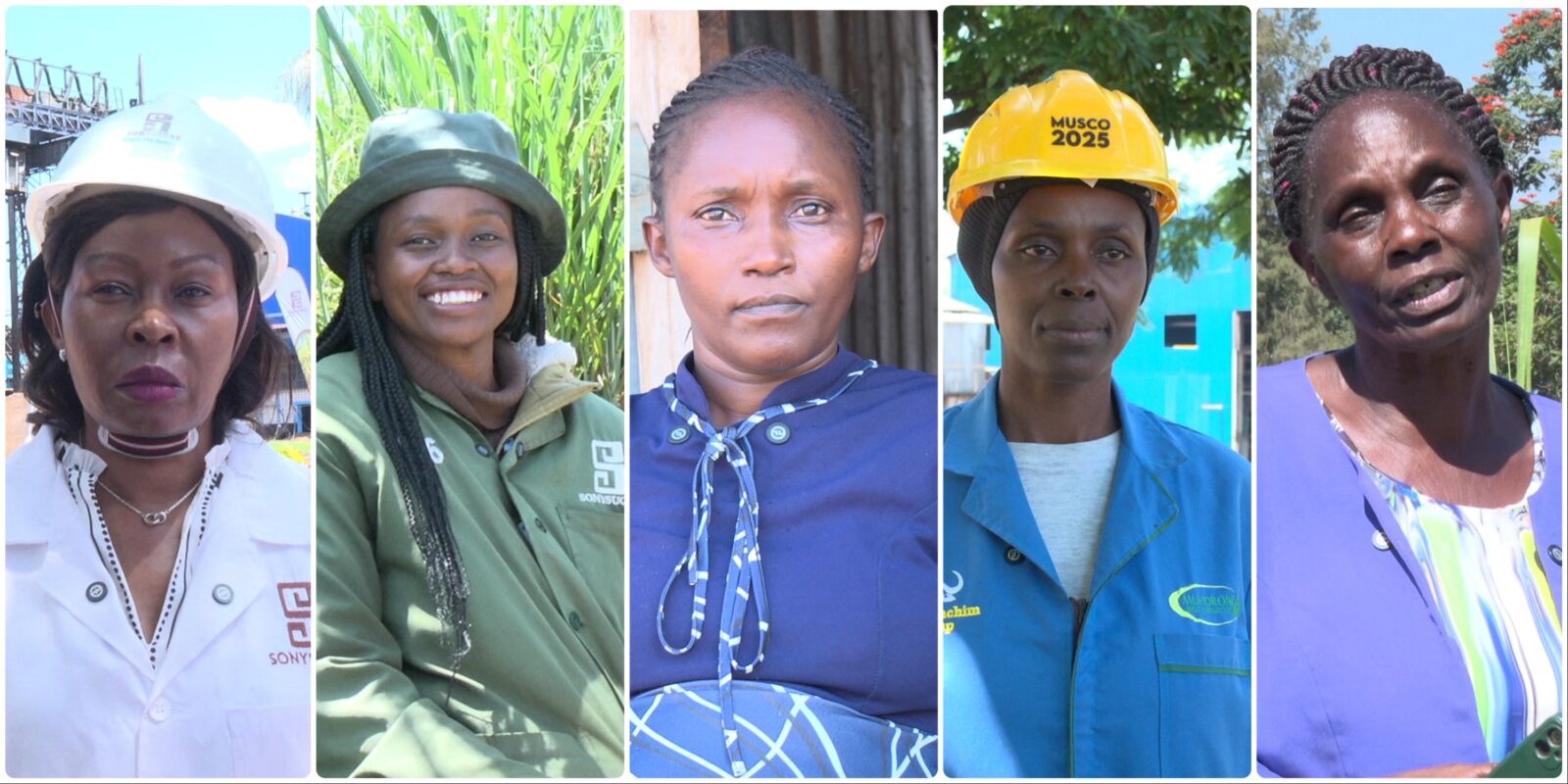
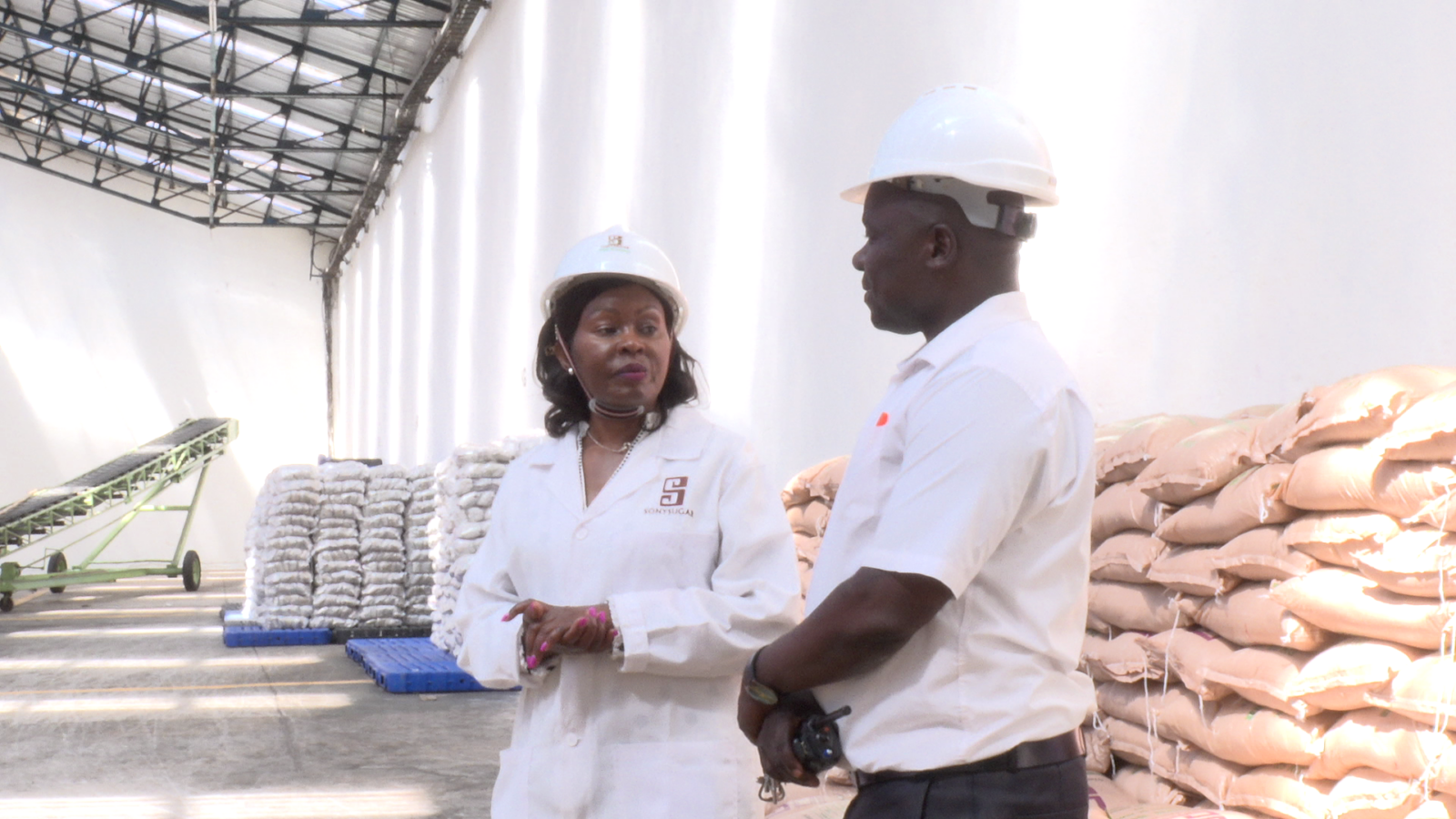
Grace Mwangi, a 29-year-old Cane Development and Maintenance Supervisor at Sony Sugar’s 2025 Nucleus Estate, is a testament to the growing role of women in the sugar industry.
As one of the few young women in a traditionally male-dominated sector, she represents a new generation of professionals whose contribution is expected to drive the industry’s long-term growth.
Her presence in the field is also inspiring more young women to consider careers in the sugar value chain, helping to bridge the gender gap in the sector.
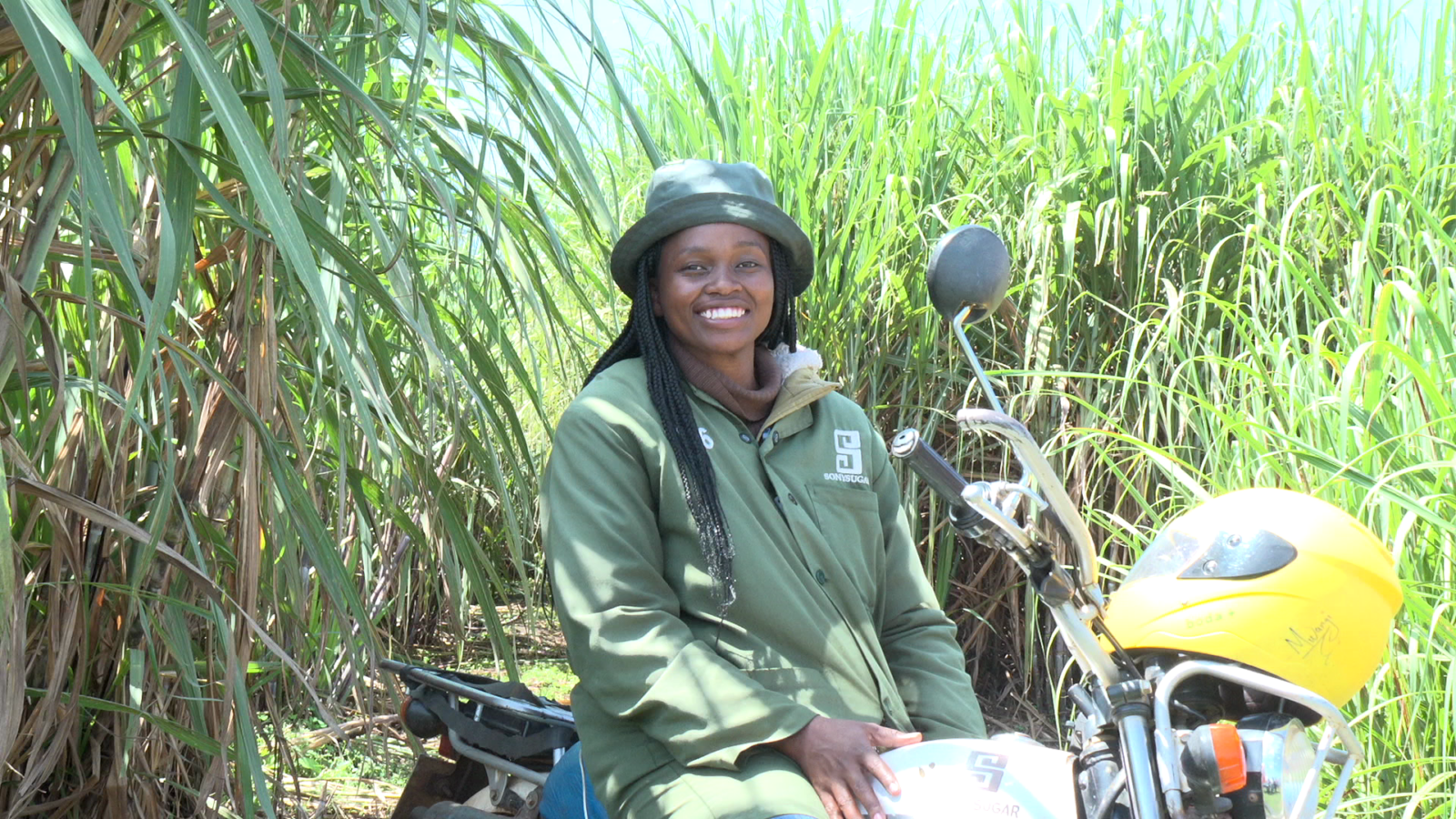
“There is a lot of opportunity for young people and women in the sugar industry. For a long time, it has been male-dominated, but the sector offers many benefits. Here, we are only three women—one working in the field and two serving as supervisors, including myself—compared to fourteen men. We need a better gender balance,” she said.
“This job gives us stability and helps us plan for the future,” she added.
Meanwhile, Sony Sugar Company is under the stewardship of Jane Pamela Odhiambo the Managing Director, whose leadership has been instrumental in the company’s revival. She has overseen the transition from government management to the leasing model, paving the way for the resumption of milling operations and driving the company’s steady growth.
Across counties such as Kakamega, Bungoma, Busia, Migori and Kisumu, thousands of women depend directly or indirectly on sugarcane farming for their livelihoods. Many are small-scale farmers cultivating family land, while others work as labourers, traders, transporters and service providers in communities built around sugar factories.
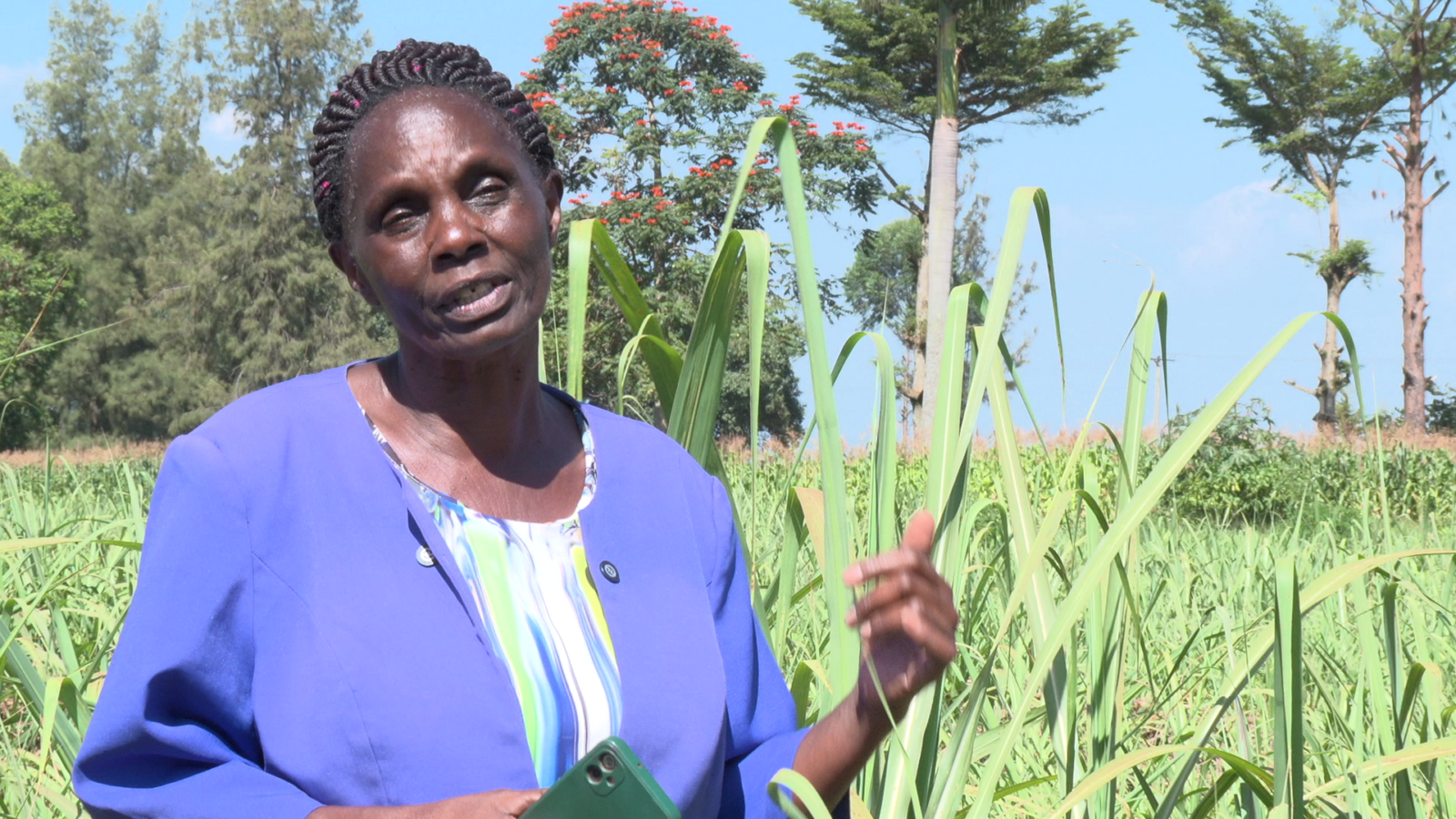
Joyce Remberia, a sugarcane farmer from Nzoia, has been in the industry for 28 years and credits sugarcane farming for transforming her life. Although widowed, she says the crop has enabled her to educate her children, acquire land, and achieve financial stability. Through her farming activities, she has also created employment opportunities for young people within the local sugar value chain.
“When my husband passed away, he left me with three young children aged eight, five and three. Today, all of them have completed their education, including university,” she said.
She said her contribution to the revival of the sugar industry is ensuring she consistently delivers sugarcane to the factory. She expressed satisfaction with the leasing model, noting that farmers like her are now paid within a week of delivering their cane to the mill.
For years, the decline of Kenya’s major sugar mills took a heavy toll on women. Delayed payments to farmers reduced household incomes, making it difficult for many families to pay school fees, access healthcare, and meet their basic needs. In many households, women bore the greatest burden of keeping their families afloat during prolonged periods without income.
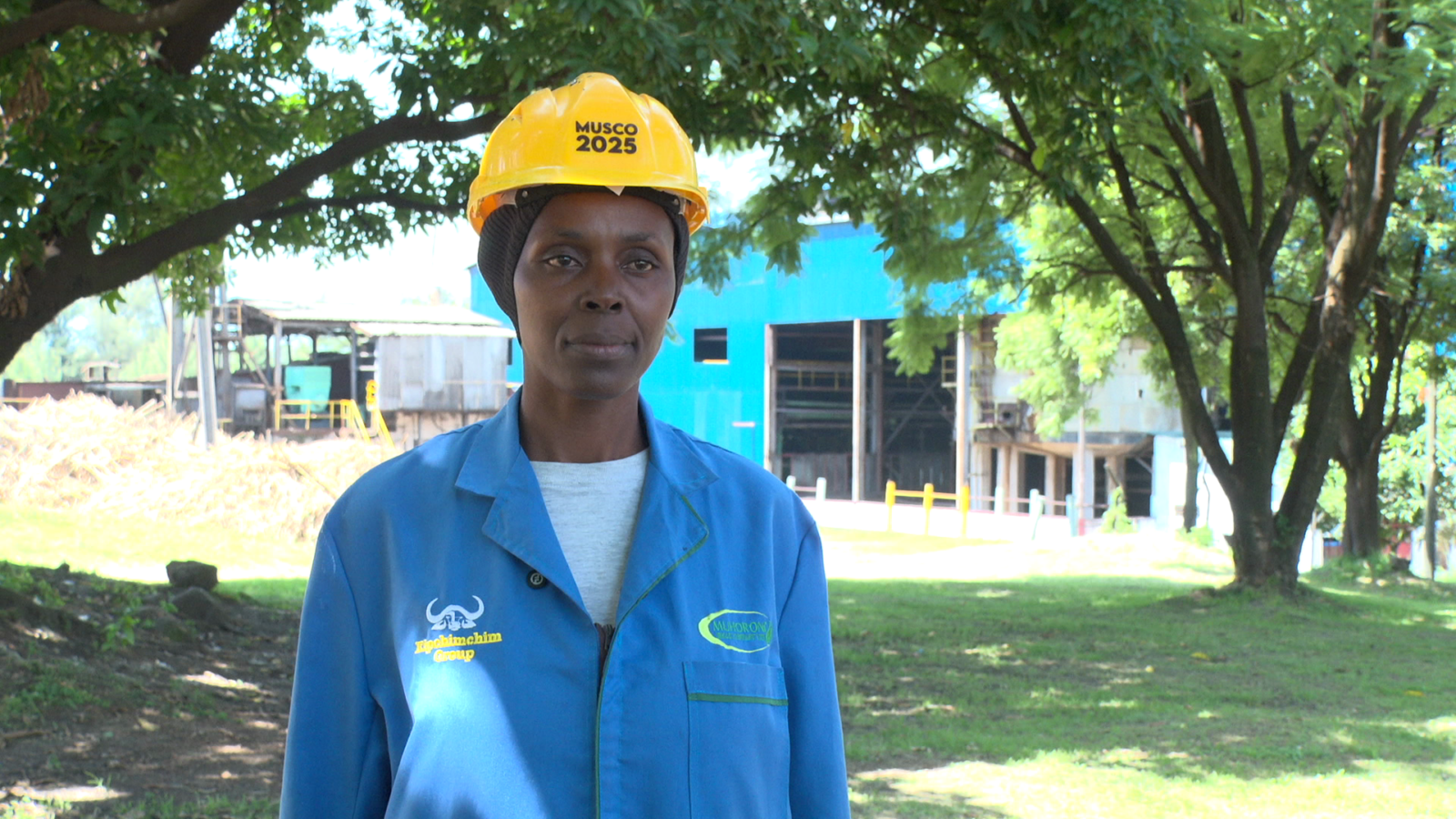
Ann Akoth Nyakora’s story reflects that reality. A Laboratory Analyst in the Quality Assurance Department at Muhoroni Sugar and a mother, Ann recalls the uncertainty she faced when sugar production at the mill almost came to a standstill.
As operations dwindled, she was among the employees sent home, leaving her without a steady source of income to provide for her children. The loss of her job placed immense financial strain on her family, making it difficult to meet their daily needs.
However, the resumption of operations at Muhoroni Sugar has given her a fresh lease of life. Back at work and earning a regular salary, Ann says she can once again comfortably support her children and plan for their future. Today, her biggest challenge is finding reliable childcare while she is at work—not a lack of money to hire someone to help with household responsibilities.
“My children are happy to see me going to work because I can now provide for them. I am able to buy the things they need, pay their school fees, and ensure they have enough to eat,” she said.
Her experience mirrors that of many women whose livelihoods have improved as sugar factories resume operations, restoring both jobs and hope in Kenya’s sugar-growing regions.
The reopening of factories such as Chemelil, Sony, Muhoroni and Nzoia has improved market access for farmers and created new economic opportunities in sugar-growing regions.
As factory operations expand, demand for cane harvesting, transportation, food services and other support businesses has also increased, providing additional income opportunities for women.
A significant milestone came in November 2024 when President William Ruto signed the Sugar Act, 2024, which introduced reforms aimed at strengthening the industry.

The law established new institutions to oversee the sugar sector and created funding mechanisms intended to support cane development, research and farmer productivity.
Women farmers stand to benefit from improved extension services, access to quality seed varieties and better infrastructure in sugar-growing areas.
Another inspiring story is that of Caroline Chepkoech, a sugarcane transporter for Muhoroni Sugar. She was introduced to the business by her father, who was also a sugarcane farmer.
According to Chepkoech, the prompt payment of farmers by the factory has significantly reduced conflicts between farmers and transporters. She says that during the period when the mill faced financial challenges, delayed payments often led to misunderstandings, causing her to lose some clients.
“Back then, farmers would sometimes accuse transporters of stealing their cane or short-changing them because payments would take months to be processed. There was a lot of uncertainty about when the money would be deposited,” she said.
“With the leasing model, transporters are now paid at the same time as the farmers. Within a week of delivering the cane, you receive your payment. That has definitely made life much easier for all of us in the sugar industry,” she added.
Chepkoech also encouraged more women to venture into the sector.
“I would advise more women to get into the sugar business. There are many opportunities across the value chain, and with the improvements we are seeing in the industry, it can provide a stable and rewarding source of income,” she said.
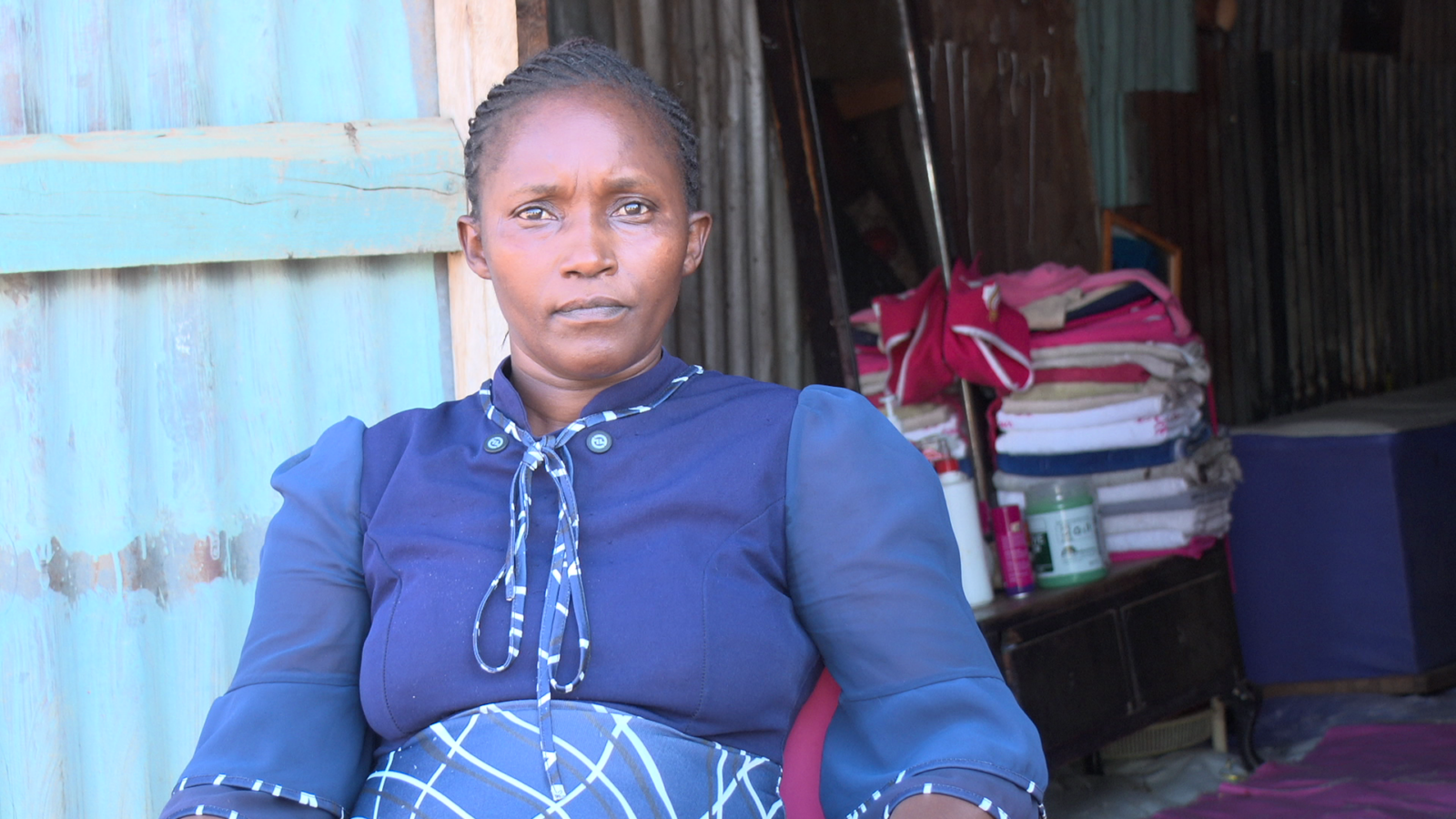
Women are also taking on greater leadership roles within the industry. Many serve as officials in cooperative societies, savings groups and outgrower organisations that negotiate with factories, coordinate cane deliveries and advocate for farmers’ interests. These groups have become important platforms for women to access credit, training and agricultural information.
Despite the progress, challenges remain. Limited land ownership, restricted access to financing, high production costs and inadequate mechanisation continue to affect many women farmers.
Access to affordable credit and farm inputs remains a major obstacle, particularly for widows and single mothers who depend heavily on agriculture for household income.
Experts say the success of Kenya’s sugar revival will largely depend on how effectively women farmers are supported. Increasing their access to land, financing, training and modern farming technologies could significantly boost cane productivity and strengthen rural economies.
As the sugar belt regains momentum, women are not merely participants in the recovery; they are increasingly becoming the backbone of a more resilient and inclusive sugar industry in Kenya.