After years of uncertainty, Kenya’s sugar industry is entering a new chapter. With factories reopening, private investment flowing into the sector and new policy reforms taking shape, attention is now shifting from recovery to long-term sustainability.
The question is no longer whether the industry can be revived, but whether it can remain competitive in the years ahead.
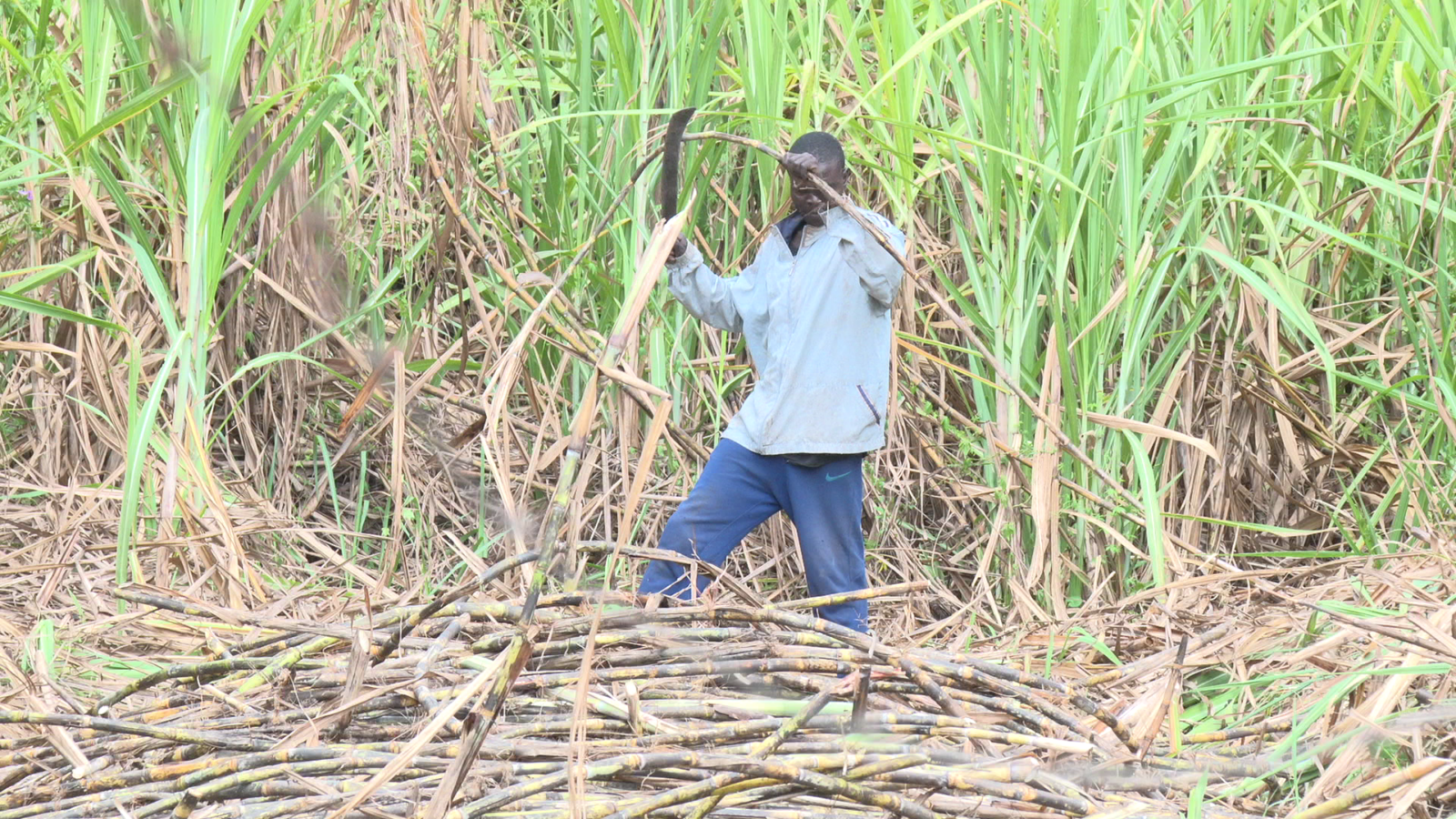
The future of the sector will largely depend on improving productivity at the farm level. Kenya’s sugarcane yields remain below their full potential due to ageing cane varieties, limited mechanisation, high input costs and inadequate extension services.
Increasing access to certified seed, fertiliser, irrigation and modern farming techniques will be critical in helping farmers produce more cane while reducing production costs.
The Sugar Act, 2024, signed into law by President William Ruto in November 2024, provides a framework for the industry’s transformation.

The Act established the Kenya Sugar Board and introduced the Sugar Development Levy to finance cane development, research, infrastructure and farmer support programmes. With effective implementation, these reforms could strengthen the industry’s long-term competitiveness.
Investment in modern milling technology will also shape the future of the sector. Many factories are replacing ageing equipment with more efficient machinery capable of processing larger quantities of cane while reducing operational costs.
Improved efficiency is expected to translate into better returns for farmers, workers and investors.
Diversification presents another major opportunity. Globally, sugar factories generate income beyond sugar production by manufacturing ethanol, industrial alcohol, electricity from bagasse and organic fertilisers.
Expanding these value-added products could provide Kenyan millers with additional revenue streams while cushioning the industry against fluctuations in global sugar prices.
Regional trade will also influence the sector’s growth. As a member of the East African Community (EAC) and the Common Market for Eastern and Southern Africa (COMESA), Kenya faces competition from lower-cost sugar producers.
To remain competitive, local producers will need to lower production costs while improving efficiency and product quality.
Climate change is another challenge the industry cannot ignore. Erratic rainfall, prolonged droughts and changing weather patterns threaten cane production in many growing regions.
Greater investment in climate-smart agriculture, irrigation and drought-tolerant cane varieties will be essential to safeguarding future harvests.
Ultimately, the future of Kenya’s sugar industry lies in balancing the interests of farmers, workers, millers and consumers. Sustained investment, sound regulation and innovation will determine whether the current revival becomes a lasting transformation.
If these reforms continue, the sugar belt could once again emerge as a major driver of rural development, employment, manufacturing and national food security for generations to come.