Long before political parties, campaign rallies and ballot papers became instruments for choosing leaders, the Pokot community had its own way of identifying and entrusting authority.
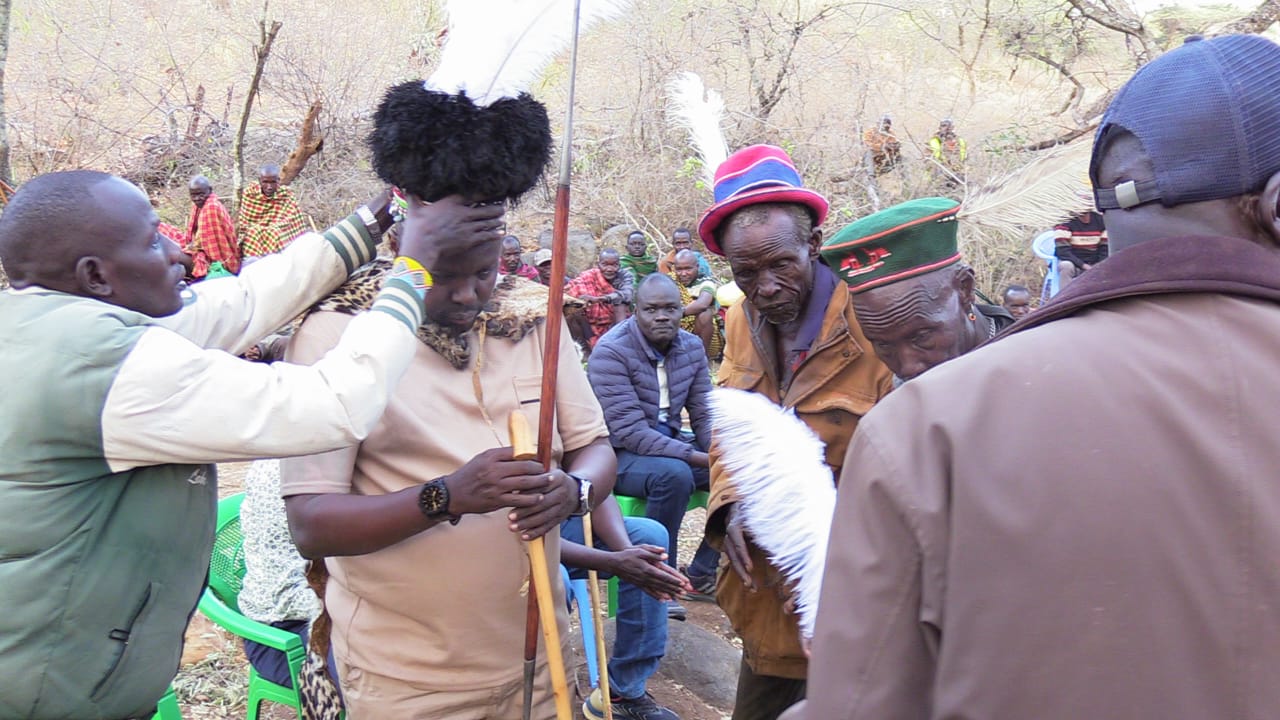
At Longorok in Pokot North, elders have revived one of those traditions in a rare ceremony known as Alem—an elaborate cultural process through which a man is entrusted with responsibilities to speak for, defend and unite the community.
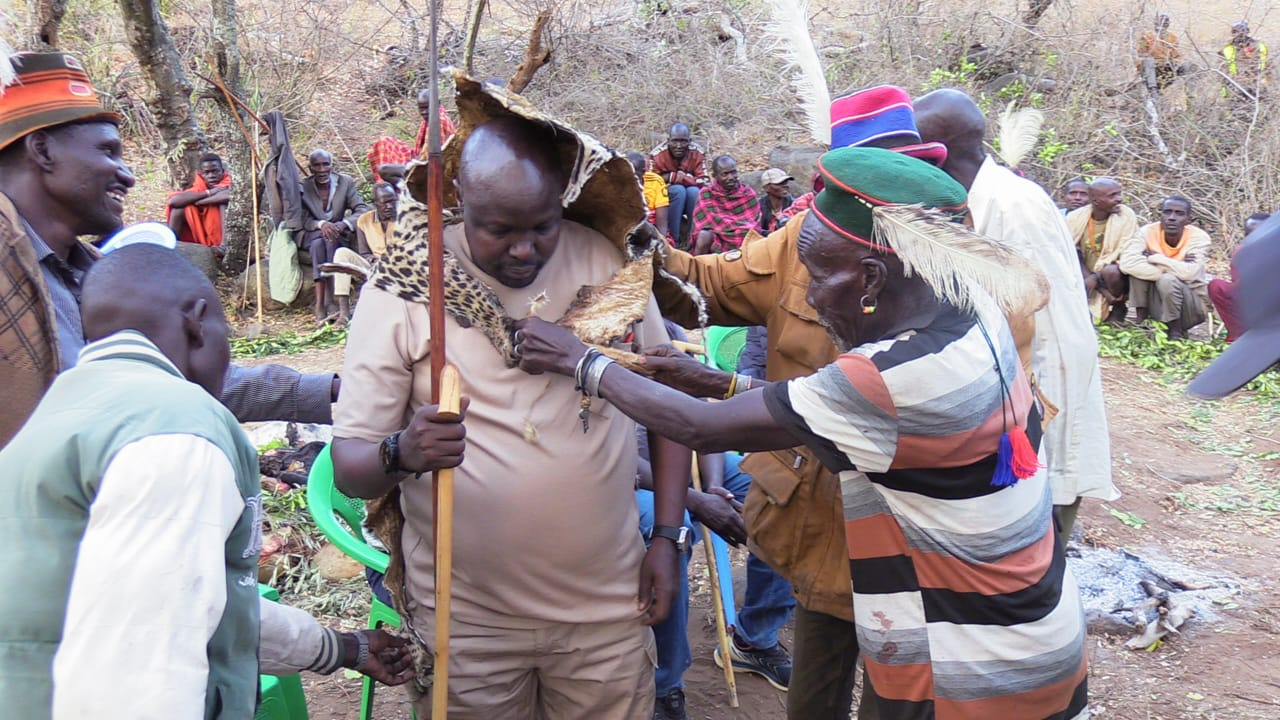
At the centre of the ceremony was Pokot South MP David Pkosing, a 2027 West Pokot gubernatorial candidate who elders dressed in traditional regalia, including leopard skin, and handed symbolic instruments—a spear and a pen — Crowning him as the official community spokesman. A bull was slaughtered and its meat shared, while traditional rituals were performed before sunrise.
But beyond Pkosing himself, the ceremony has opened a window into a community where culture and politics have historically been closely intertwined.
For the elders who conducted the ceremony, this was not simply a political endorsement or a campaign launch. They described it as a communal decision reached after consultations, with the leadership mantle being passed on following the death of prominent Pokot leader and former Cabinet minister Francis Lotodo.
John Pedoo Loinit, one of the elders involved, said the community had been without a leader capable of carrying its collective voice and that elders had settled on Pkosing to assume the responsibility.
The symbolism of the ceremony was deliberate.
The spear represented security and defence. The pen represented the responsibility to articulate the concerns of the community. The leopard skin symbolised courage and authority, while the headgear signified the conferment of a new status.
In a society where communal leadership is traditionally expected to transcend individual interests, the message from the elders was clear: the person receiving the symbols was expected to listen, unite and defend the community—not merely lead politically.
And therein lies the significance of the Alem ceremony.
A tradition meeting modern politics
Pkosing’s installation comes at a politically sensitive moment.
With the 2027 General Election approaching, the MP is positioning himself for the West Pokot gubernatorial race. His elevation therefore places him at the intersection of two systems of leadership: traditional authority and modern electoral democracy.
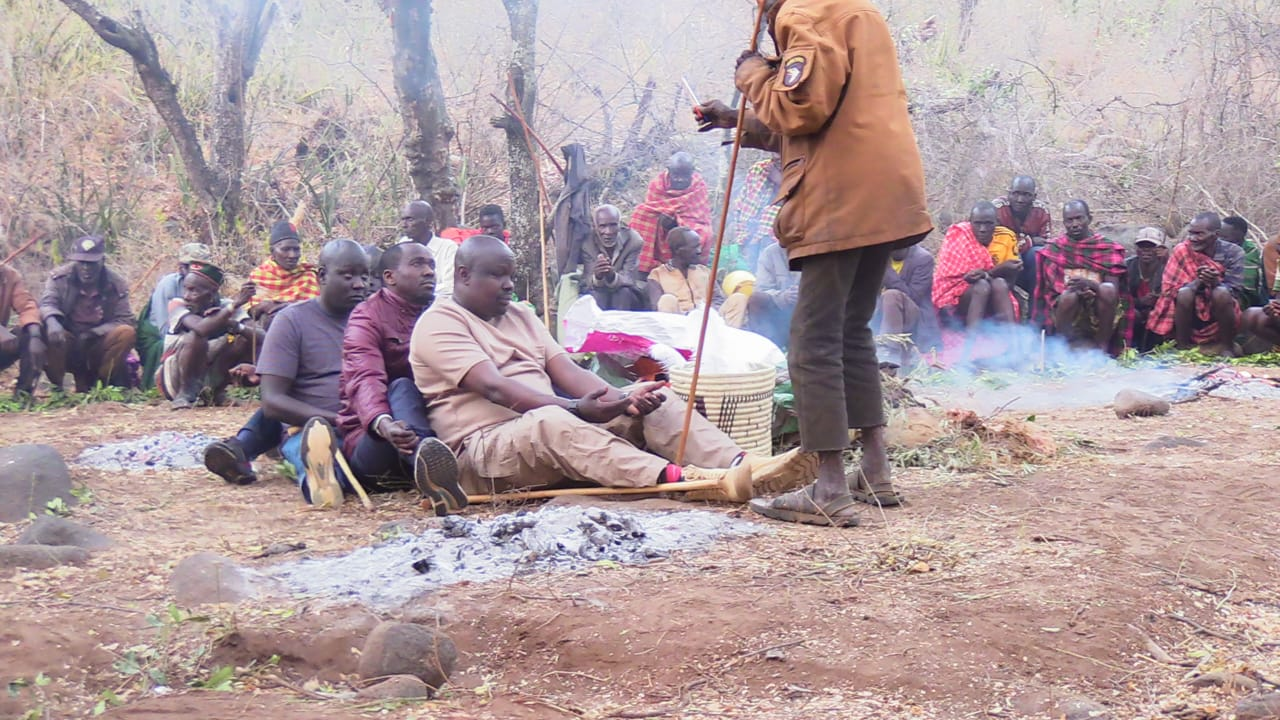
The ceremony does not itself confer constitutional political power. A governor, senator, MP or MCA must still win an election through the constitutional electoral process.
But culturally, such recognition can carry considerable weight in communities where elders remain influential voices in matters of unity, conflict resolution and communal direction.
That creates an interesting political question: Can traditional recognition translate into votes?
There is no automatic answer.
Pokot voters, like voters elsewhere, are not a single political bloc. They have different interests, loyalties and political preferences. Economic opportunities, education, security, roads, healthcare, employment, land and relations with neighbouring communities are likely to remain important considerations when voters make their choices in 2027.
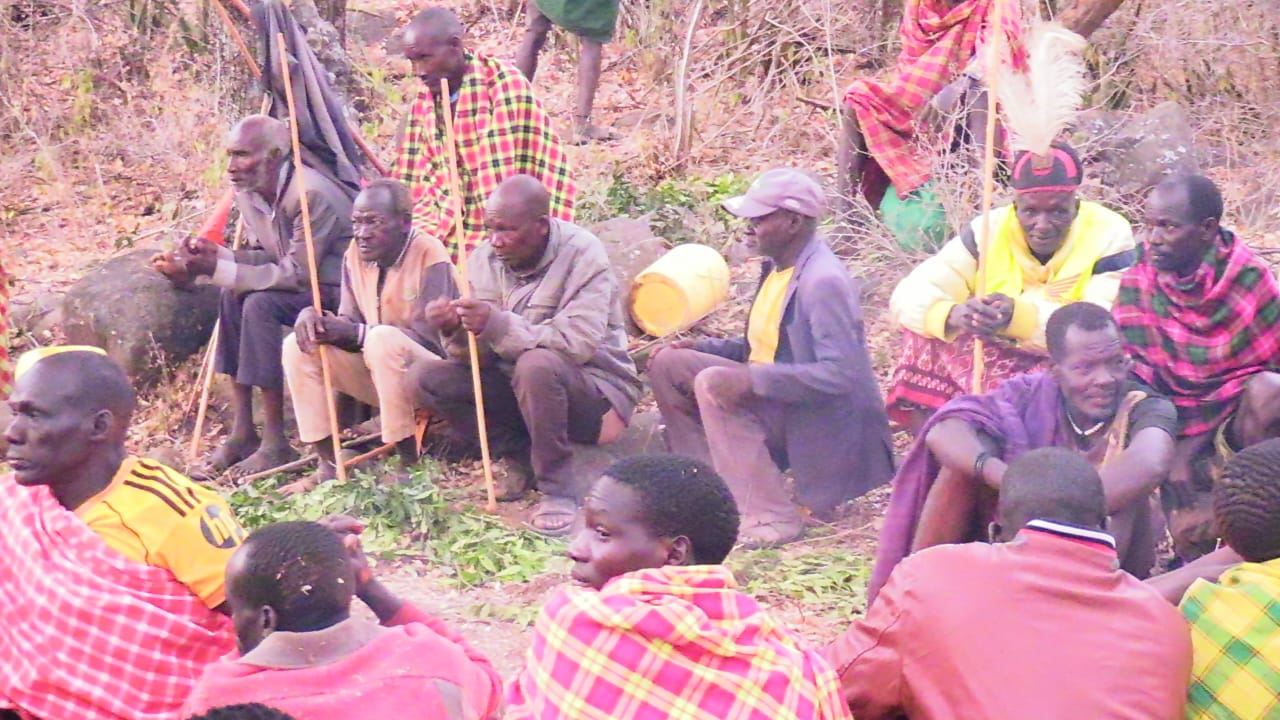
Yet traditional institutions can shape the environment in which those political choices are made—particularly when elders speak about unity and collective interests.
The politics of speaking for a community
The title of spokesman is perhaps the most significant element of the ceremony.
The pen handed to Pkosing was described by the elders as a symbol of his responsibility to articulate issues affecting Pokot people.
That responsibility extends beyond West Pokot County.
Pokot communities live across administrative boundaries, including parts of Turkana, Baringo, Elgeyo-Marakwet and neighbouring areas. For the elders, therefore, the idea of community leadership goes beyond county politics.
Pkosing himself said the spear represented his responsibility to protect the wider Pokot community and pledged to champion issues including security, boundaries, education, employment and development.
These are also some of the issues likely to dominate political conversations in the region as the country moves towards 2027.
Security, particularly banditry and conflicts along inter-community boundaries, has remained a major concern in parts of the North Rift. Development disparities and limited economic opportunities for young people have also continued to influence political conversations.
For the Pokot community, the challenge for whoever assumes a unifying leadership role will therefore be whether cultural recognition can be converted into practical advocacy and tangible change.
The shadow of Lotodo
The name of Francis Lotodo repeatedly emerged during the ceremony.
To the elders, his death left a leadership vacuum. To Pkosing, Lotodo represents a political legacy that continues to inspire him.
But Lotodo’s legacy also illustrates why communal leadership in Pokot politics cannot easily be reduced to an individual political seat.
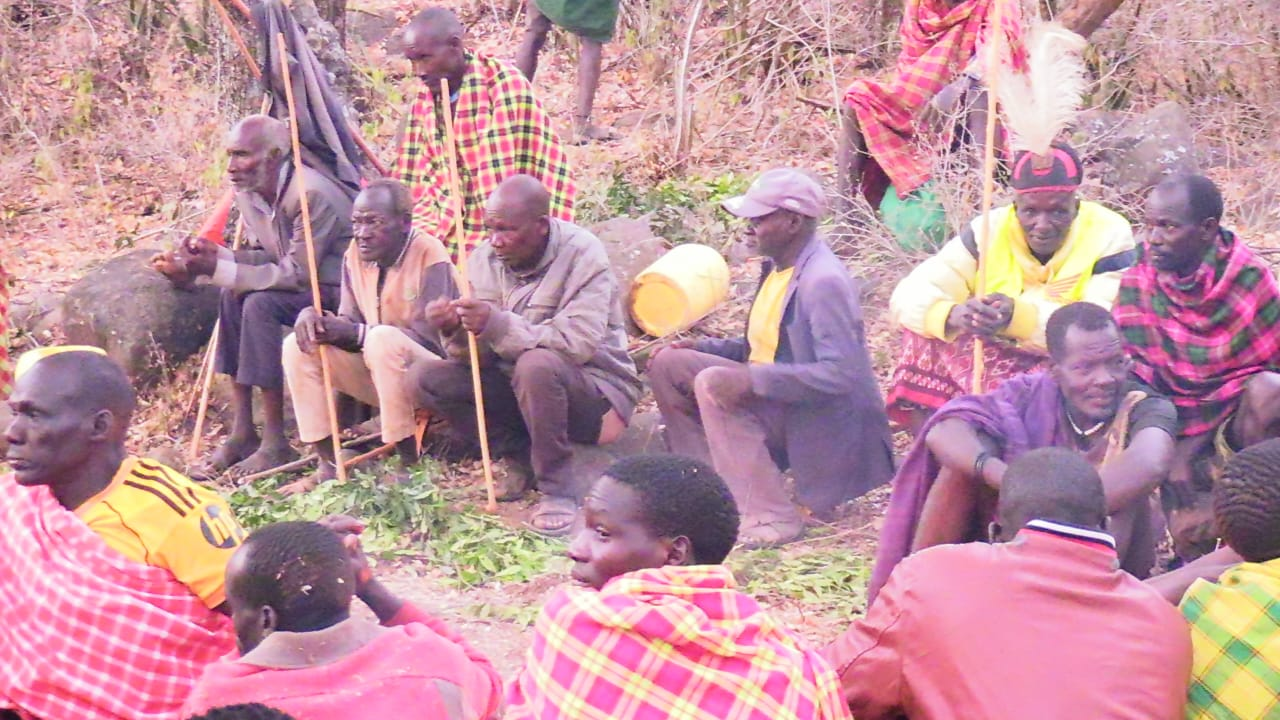
Traditional leadership has historically involved questions of community protection, negotiations, peace-building and representation, while elected leaders operate within a constitutional system that requires them to represent all citizens within their jurisdictions.
The two roles can overlap, but they are not identical.
That distinction will become increasingly important as the 2027 elections approach.
A crown that comes with expectations
By the end of the ceremony, Pkosing had received the symbols of authority. But the real test of the Alem ceremony will not be the leopard skin, the spear or the pen.
It will be what follows.
Can the person entrusted with speaking for the community unite people with different political affiliations? Can he champion Pokot interests without turning communal leadership into partisan politics? Can he help resolve conflicts with neighbouring communities? And can he translate the expectations of elders and ordinary residents into meaningful development?
These questions are bigger than Pkosing.
They speak to a broader reality facing many Kenyan communities as the country approaches another election: the enduring influence of traditional institutions in an era of constitutional democracy and competitive electoral politics.
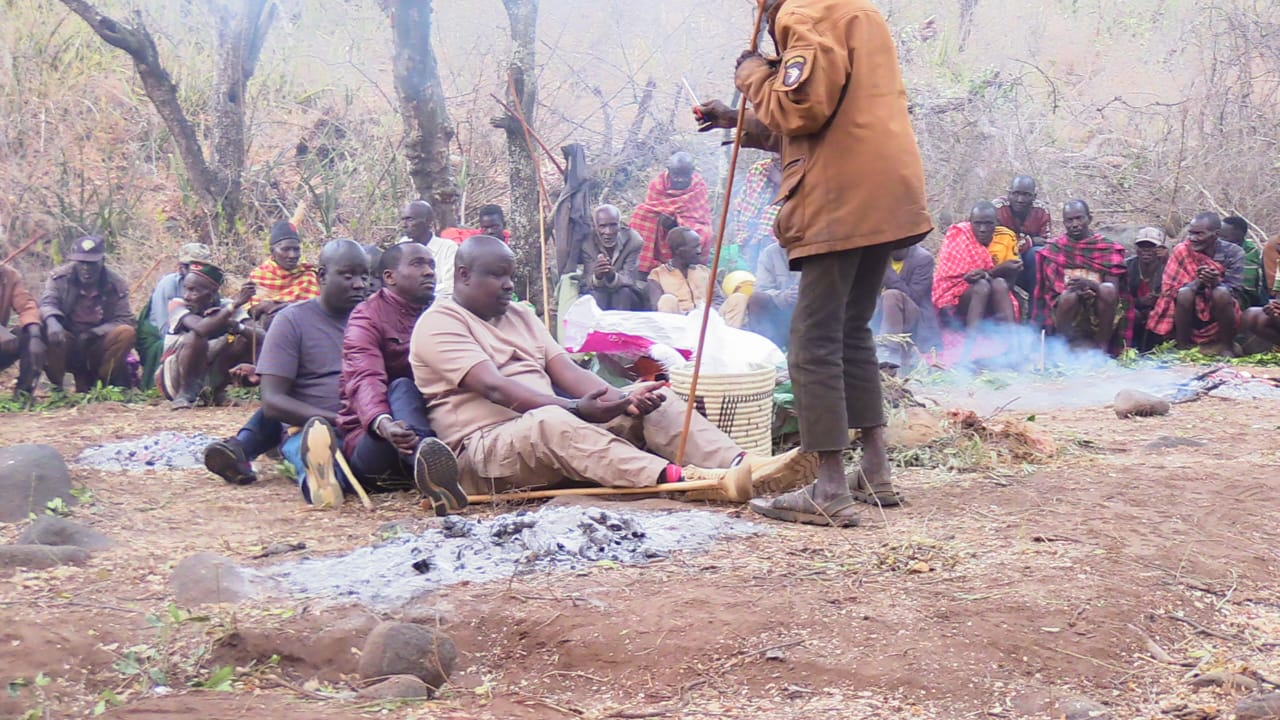
At Longorok, the Pokot community was not merely celebrating the elevation of one politician. It was asserting the continued relevance of its cultural institutions and reminding a rapidly changing political landscape that, for many communities, leadership begins long before the campaign trail.
And as 2027 draws closer, the question will be whether that traditional authority remains primarily a cultural institution—or becomes another powerful force shaping the political choices of the Pokot people.