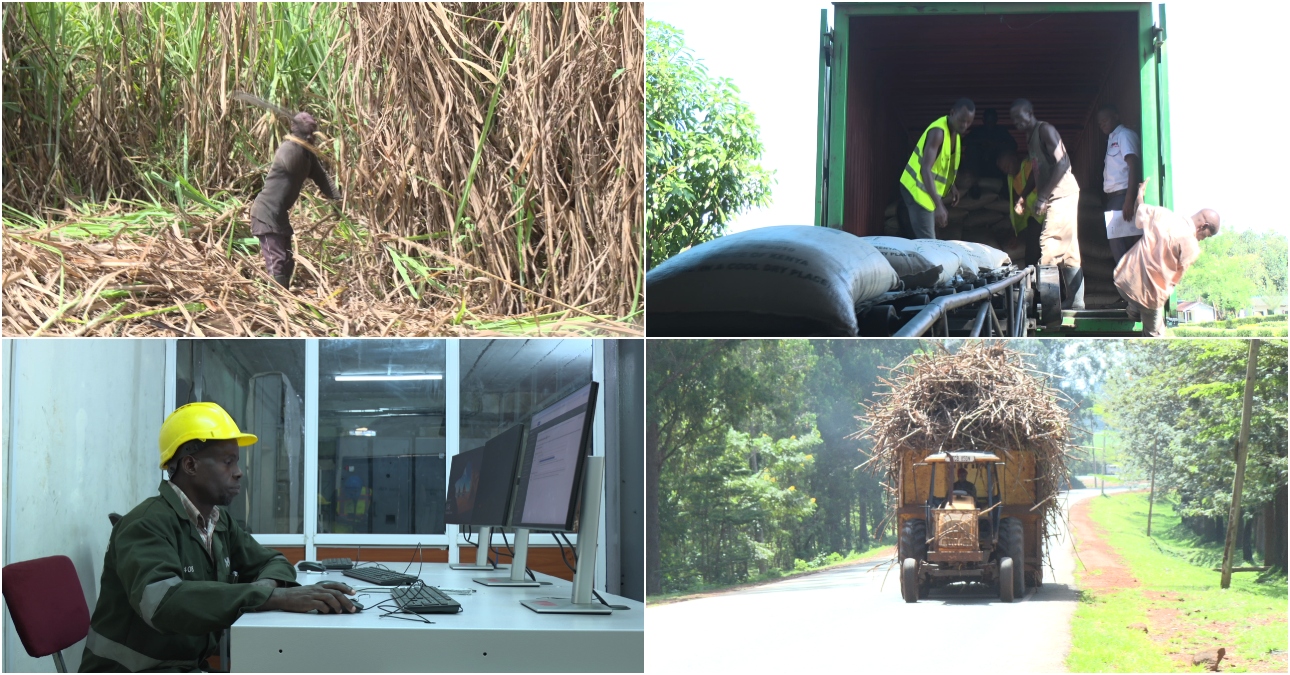
The revival of Kenya’s sugar industry is not only bringing factories back to life but also restoring livelihoods for thousands of workers who depend on the sector.
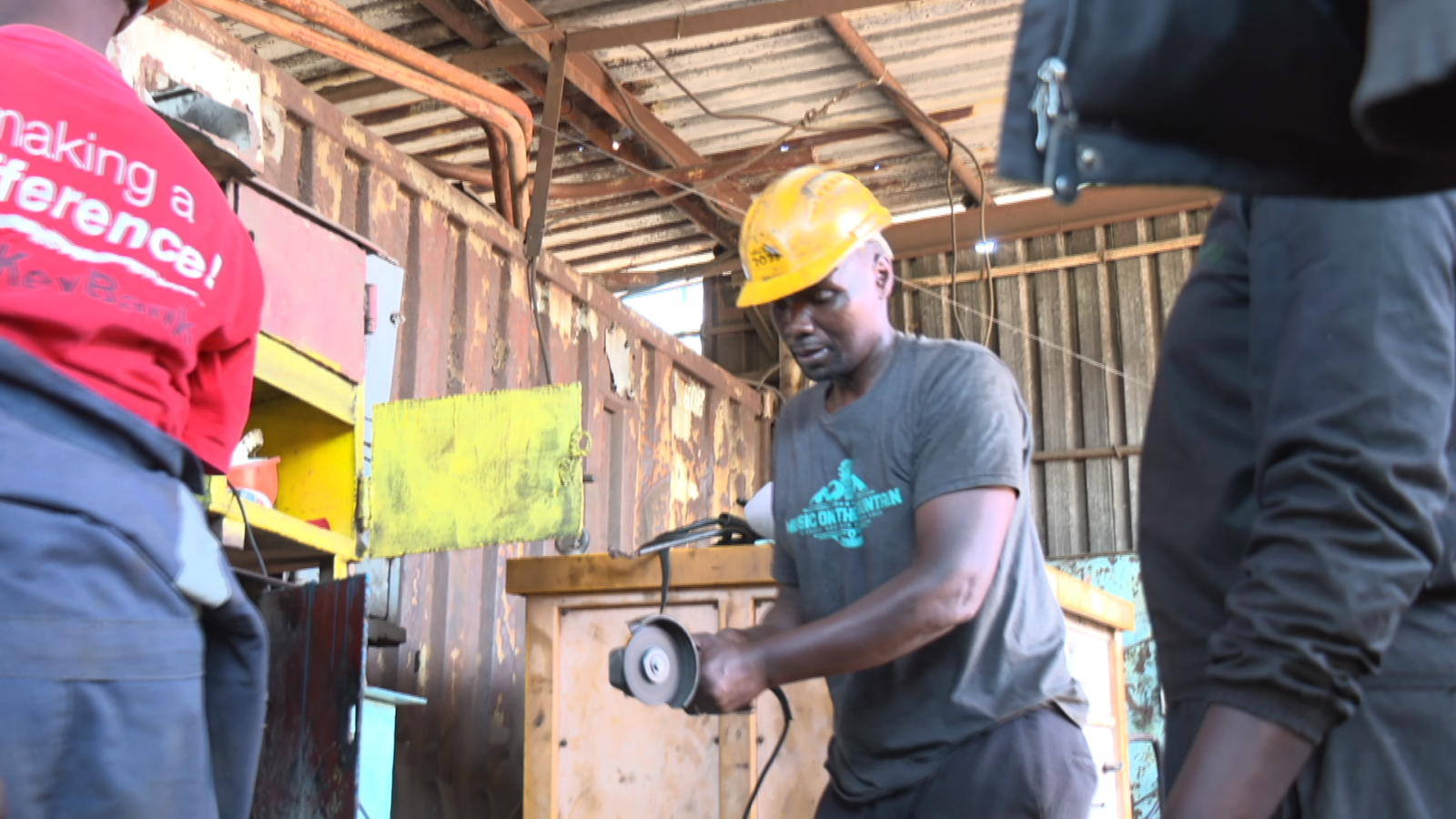
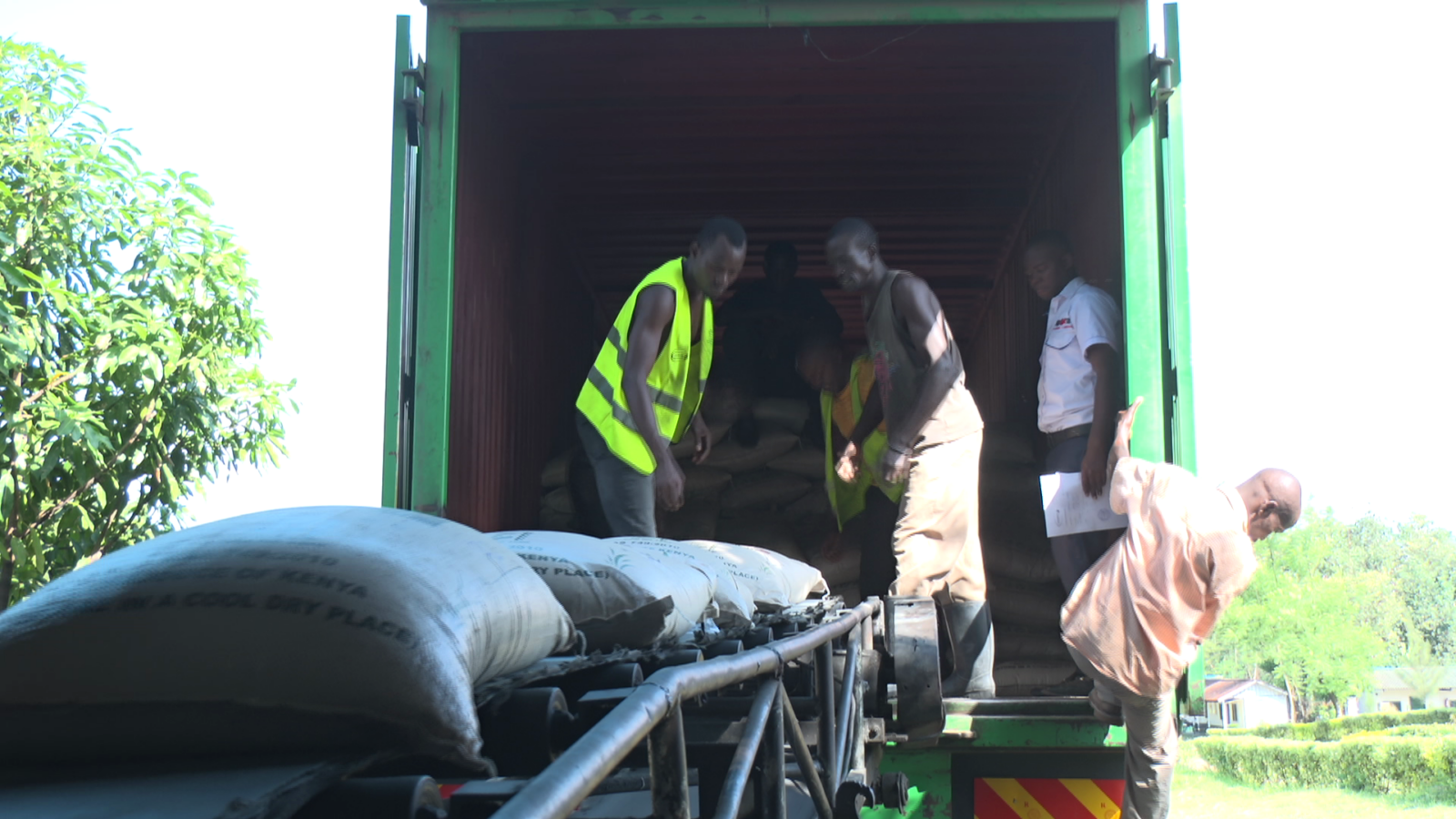
From machine operators and engineers to cane cutters, loaders and transporters, the resurgence of sugar milling is breathing new life into communities across the country’s sugar belt.
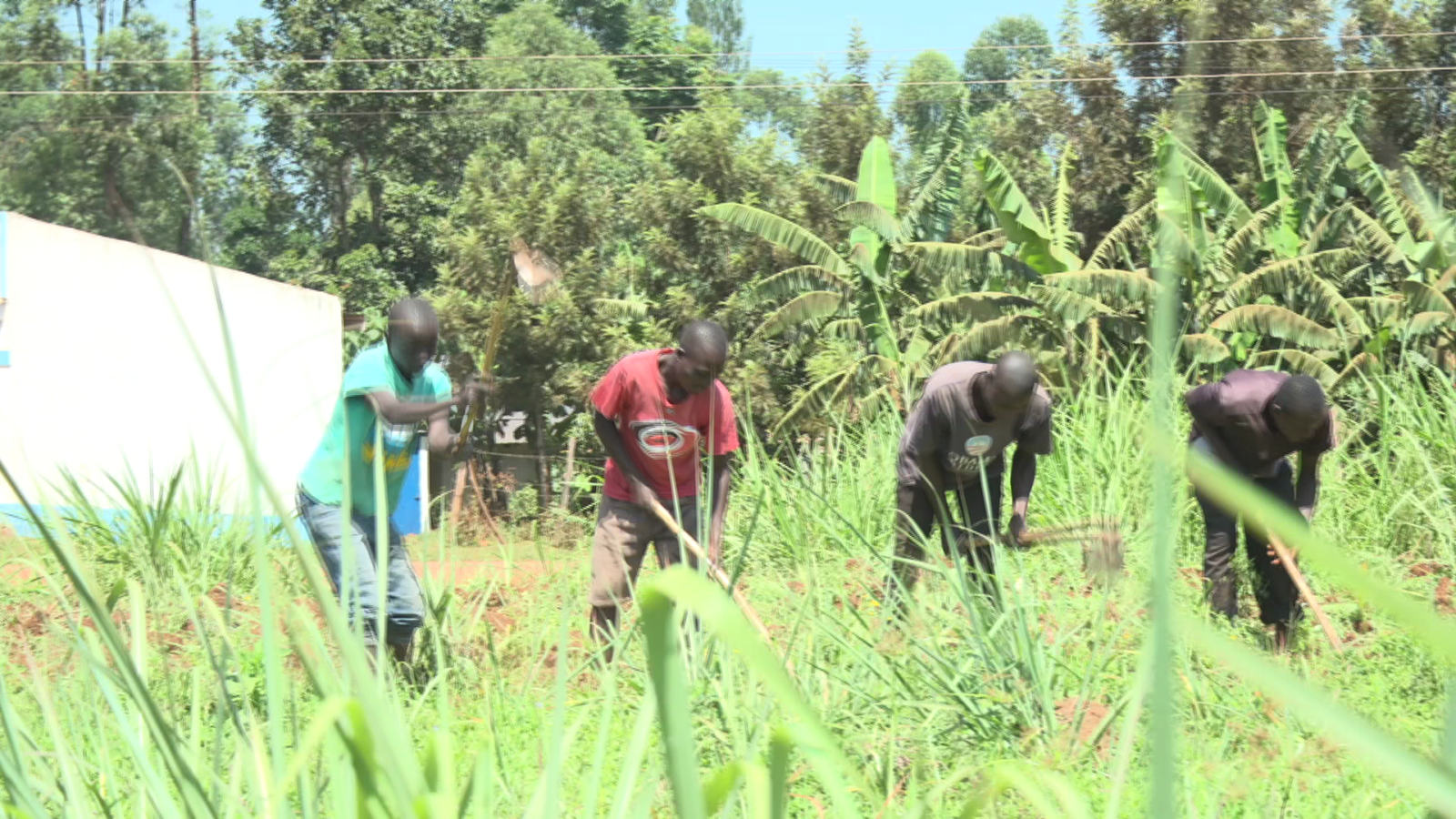
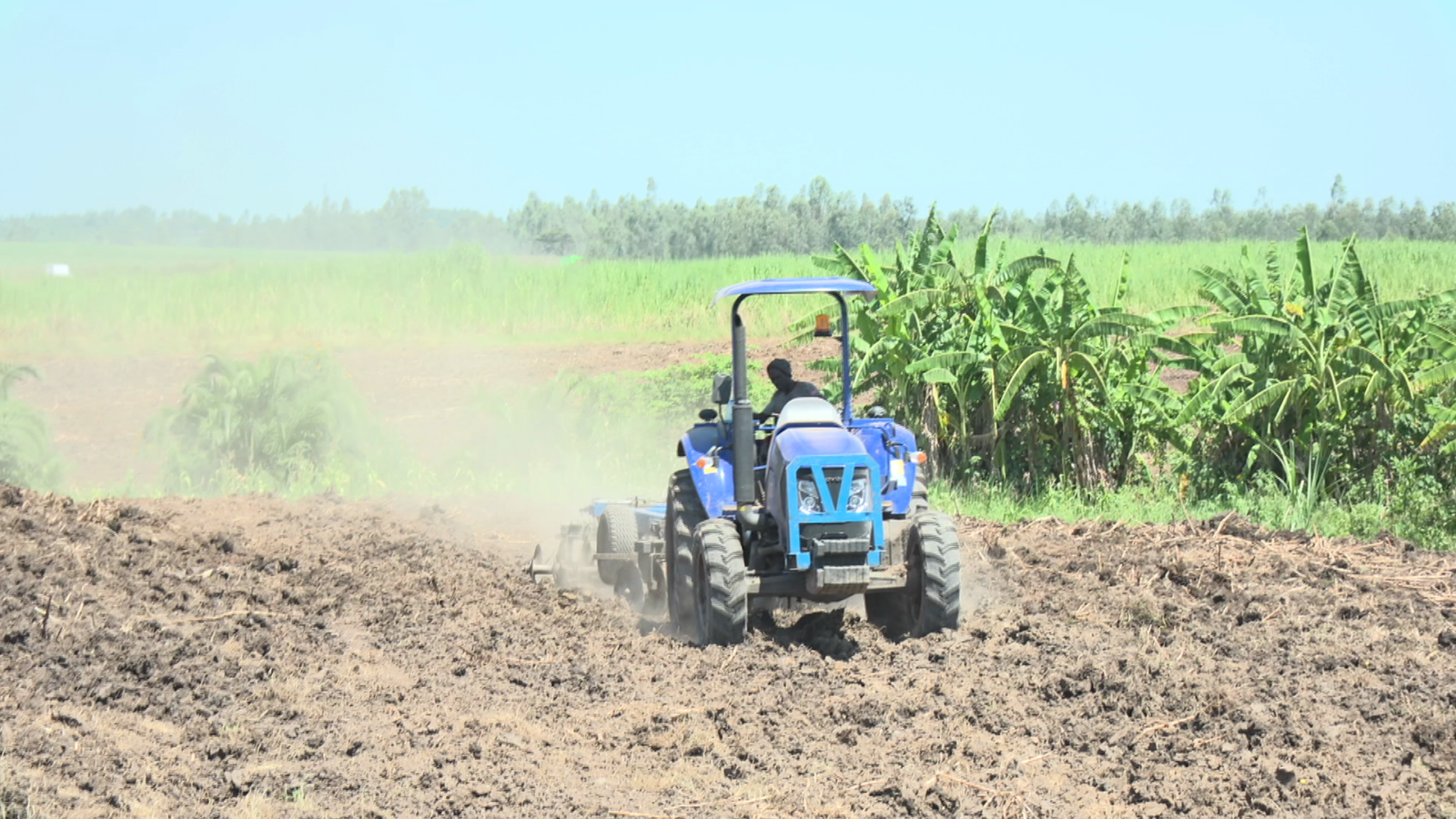
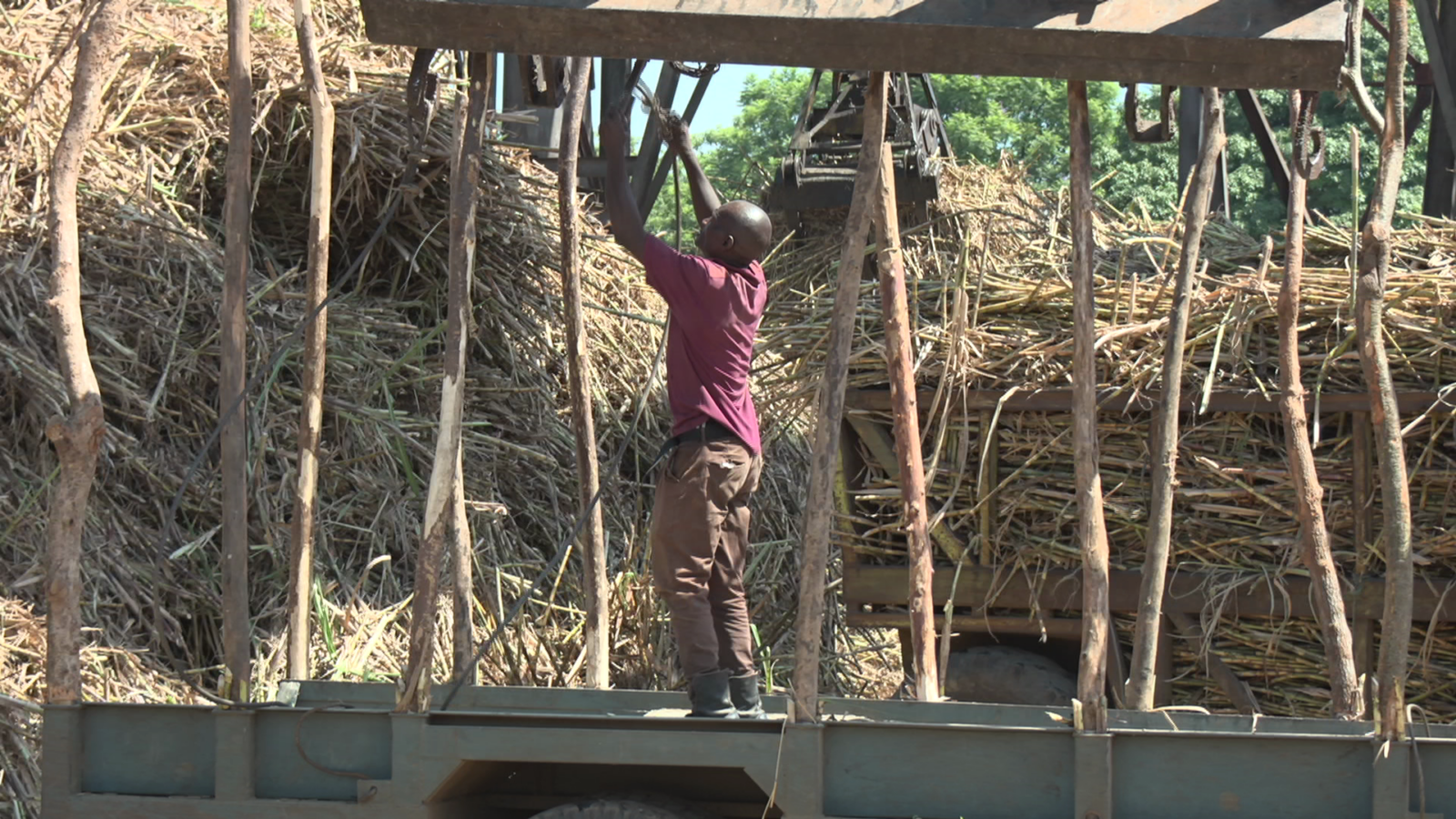

For years, workers in major sugar-growing counties such as Kakamega, Bungoma, Busia, Kisumu, Migori and Homa Bay endured factory closures, delayed salaries and widespread job losses as state-owned mills struggled under mounting debt, ageing equipment and poor management.
The decline of factories such as Nzoia, Chemelil, Muhoroni and Sony had a ripple effect on local economies, with many businesses that relied on sugar workers also forced to close.
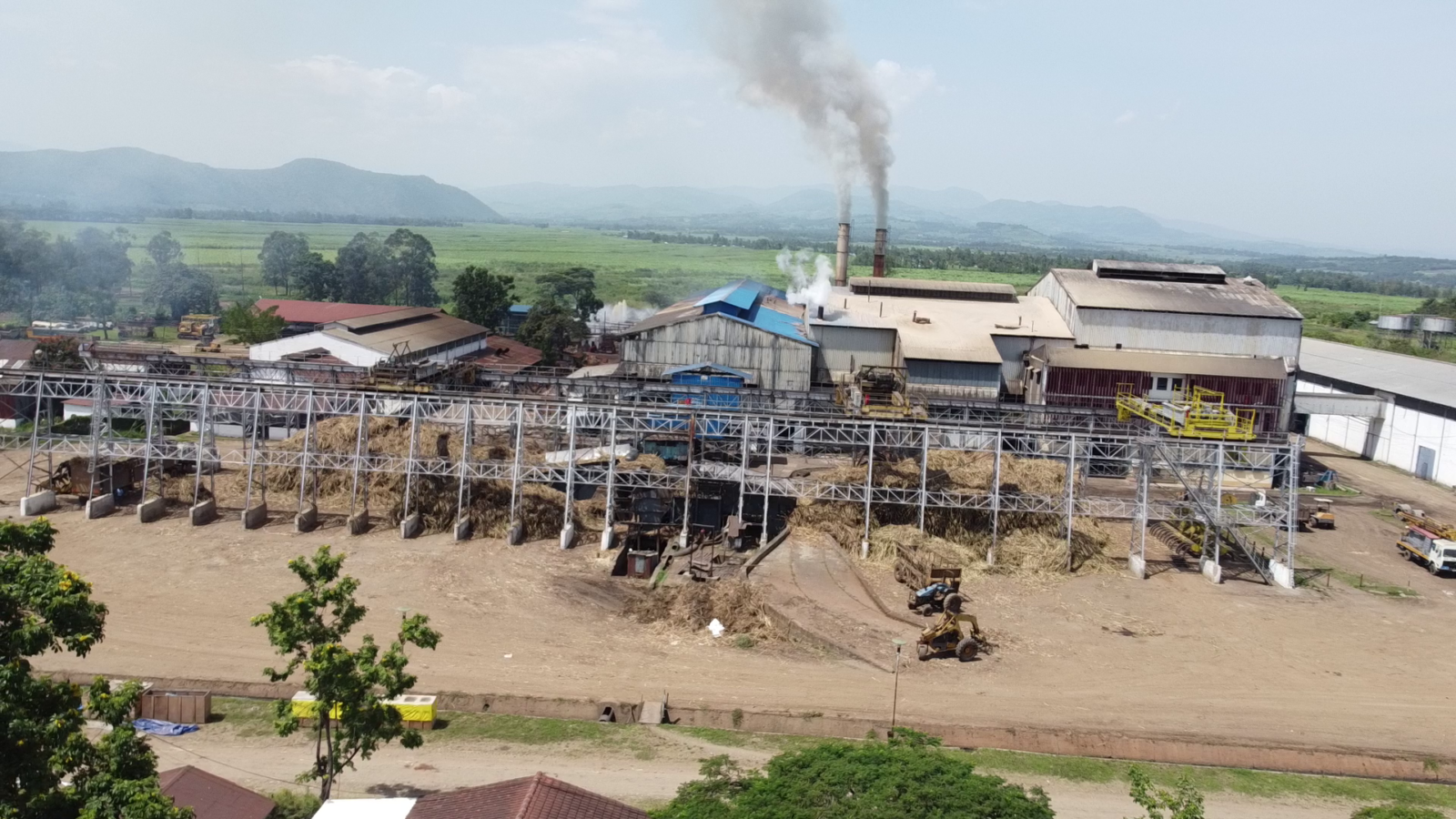
The industry’s recovery has renewed hope. The government’s decision to lease four state-owned sugar factories to private investors has seen operations resume, creating employment opportunities both inside the mills and along the sugar value chain.

As production increases, workers are returning to jobs in cane harvesting, factory operations, transport, maintenance and administration.
For many employees, the return of regular work means more than just a paycheck. It restores financial stability, enabling families to meet daily needs, pay school fees and support local businesses.
Shops, restaurants, transport operators and informal traders in sugar towns are also benefiting from the increased economic activity generated by the reopening of factories.
The reforms gained momentum in November 2024, when President William Ruto assented to the Sugar Act, 2024, establishing a new framework to modernise and regulate the industry.

The law seeks to improve efficiency, attract investment and strengthen institutions supporting the sugar sector, creating a more stable environment for workers and farmers alike.
Workers are also optimistic that private investment will lead to the rehabilitation of ageing machinery and improved workplace safety.
Modern equipment can enhance productivity while reducing downtime, allowing factories to process more cane and maintain steady operations throughout the crushing season.
Despite the positive outlook, challenges remain. Labour unions continue to advocate for timely payment of salaries and pensions, better working conditions and the settlement of historical employment dues owed to former workers.
Ensuring fair wages, occupational safety and continuous skills training will be critical to sustaining the industry’s recovery.
As Kenya’s sugar sector regains momentum, its success will depend not only on increased cane production but also on the welfare of the workers who keep the industry running.
Their expertise, resilience and dedication remain central to rebuilding one of the country’s most important agricultural and manufacturing sectors.