A number of Cabinet Secretaries in President William Ruto’s administration have emerged as key drivers of the government’s development agenda, earning recognition for implementing transformative policies, accelerating reforms and overseeing strategic programmes across their respective ministries.
Although public opinion on performance varies, several Cabinet Secretaries have distinguished themselves through visible leadership and tangible progress in service delivery and economic development.
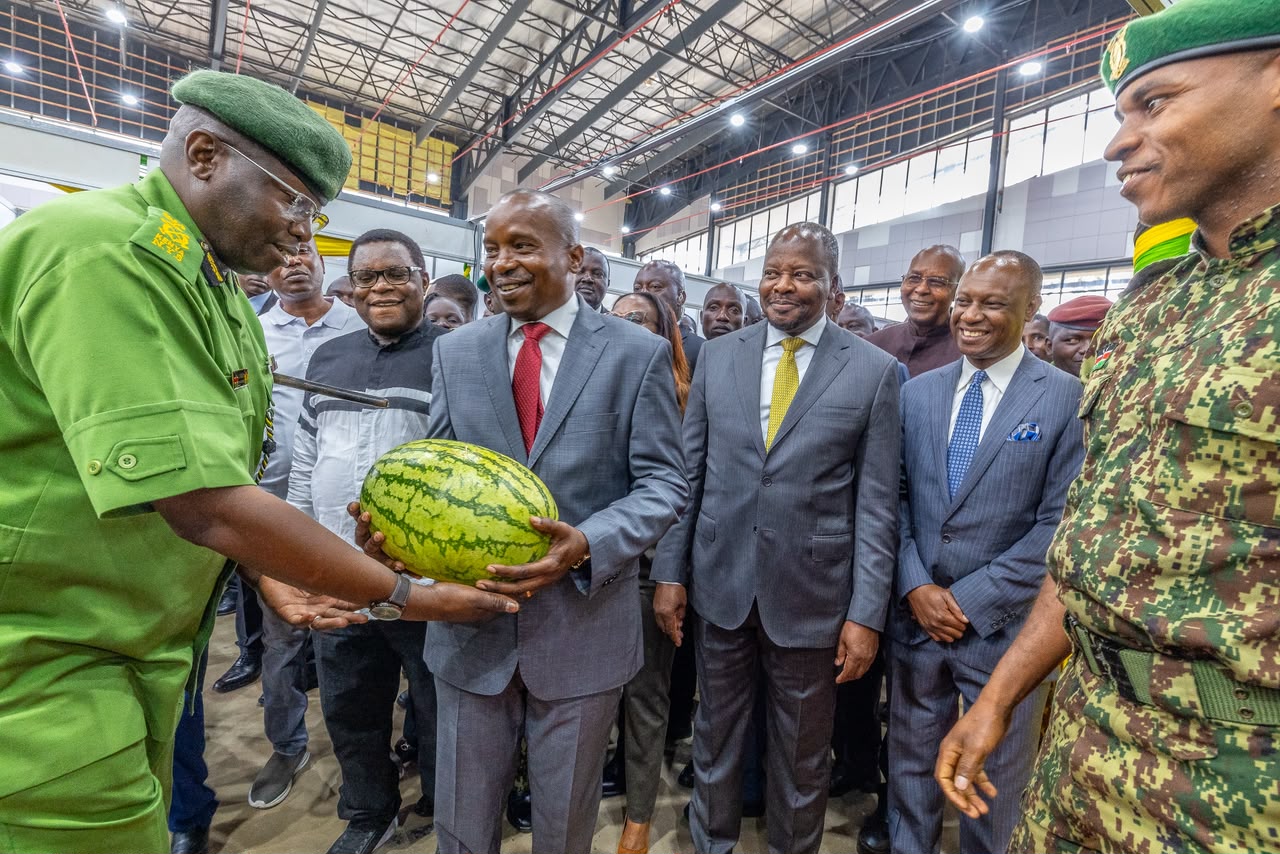
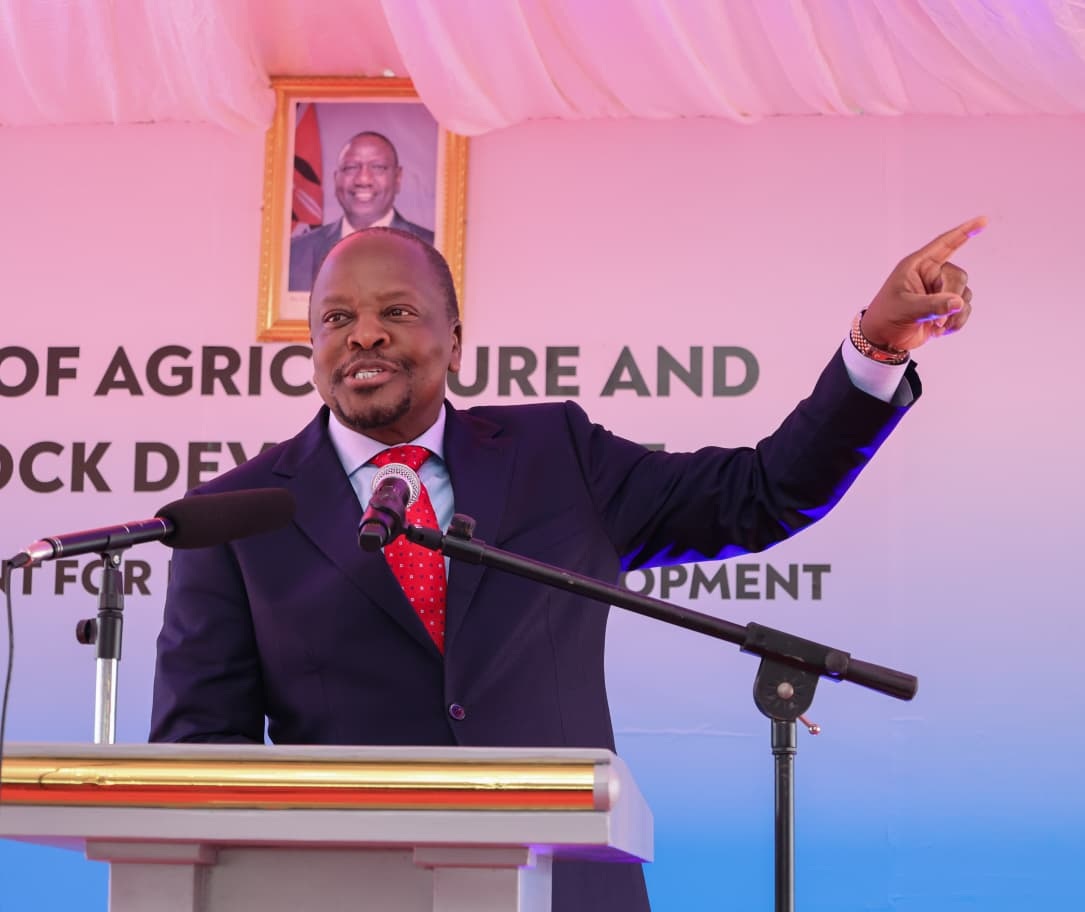
Topping the list is Agriculture Cabinet Secretary Mutahi Kagwe, whose tenure has been characterized by bold interventions aimed at revitalizing Kenya’s agricultural sector.
He has spearheaded reforms to boost food production and strengthen food security, improved access to subsidized farm inputs while promoting mechanization and climate-smart agriculture, and expanded market opportunities to enhance farmers’ incomes and agricultural exports.
Ranking second is Public Service Cabinet Secretary Geoffrey Ruku, who has focused on modernizing public administration and enhancing efficiency within government institutions.
His leadership has seen accelerated public service reforms, strengthened performance management and accountability systems, and improved service delivery through digital transformation and citizen-centred initiatives.
In third place is Water, Sanitation and Irrigation Cabinet Secretary Eric Mugaa, whose ministry has intensified efforts to expand access to clean and safe water across the country.
He has overseen the implementation of major water supply projects, accelerated irrigation programmes to enhance food production, and strengthened water resource management alongside sanitation initiatives aimed at improving public health.
Fourth on the list is Cooperatives and MSMEs Cabinet Secretary Wycliffe Oparanya, who has championed the growth of cooperative societies and small businesses as engines of economic development.
His ministry has implemented reforms to strengthen cooperatives, expanded financing opportunities for Micro, Small and Medium Enterprises (MSMEs), and promoted entrepreneurship programmes that continue to create employment and stimulate wealth creation.
Occupying the fifth position is Sports Cabinet Secretary Salim Mvurya, whose tenure has been marked by renewed investment in sports infrastructure and athlete development.
He has enhanced government support for sportsmen and women, accelerated the construction and rehabilitation of sporting facilities, and strengthened grassroots talent identification programmes to nurture future champions.
National Treasury Cabinet Secretary John Mbadi ranks sixth after steering the country’s fiscal and economic policy through a challenging financial environment.
He has strengthened public financial management, implemented measures aimed at enhancing domestic revenue mobilization, and promoted prudent fiscal policies designed to support economic stability and sustainable development.
Coming in seventh is Defence Cabinet Secretary Soipan Tuya, who has continued to strengthen Kenya’s national defence capabilities.
Her ministry has enhanced the operational readiness of the Kenya Defence Forces, advanced modernization of defence equipment and strategic capabilities, and promoted the welfare of military personnel while strengthening international defence cooperation.
In eighth position is Tourism Cabinet Secretary Rebecca Miano, who has led efforts to revitalize one of Kenya’s most important economic sectors.
She has intensified global tourism marketing campaigns, promoted domestic tourism through strategic partnerships, and attracted investment into tourism and hospitality infrastructure to support sectoral growth.
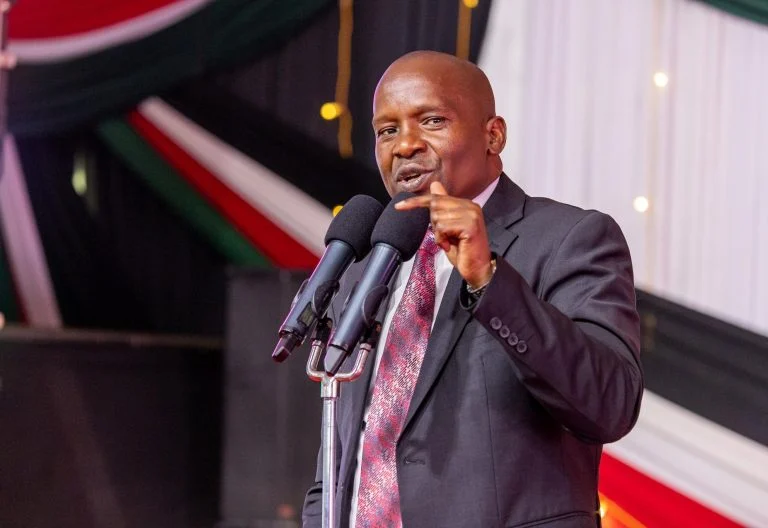
Ninth is Interior Cabinet Secretary Onesimus Murkomen, whose ministry has prioritized national security and administrative efficiency.
Under his leadership, security agencies have intensified coordinated operations against crime, strengthened collaboration among government security institutions, and implemented reforms aimed at improving public safety and emergency response across the country.
Completing the top ten is Mining, Blue Economy and Maritime Affairs Cabinet Secretary Hassan Joho, who has focused on unlocking the immense economic potential of Kenya’s mineral and maritime resources.
His ministry has accelerated reforms to attract investment into the mining sector, promoted value addition to locally extracted minerals, and advanced initiatives within the blue economy to expand employment opportunities and drive sustainable economic growth.
As the government continues implementing its Bottom-Up Economic Transformation Agenda, the performance of Cabinet Secretaries remains central to the realization of national development priorities.
Their leadership and execution of policy interventions continue to shape Kenya’s economic trajectory, strengthen public institutions and improve service delivery for millions of citizens.