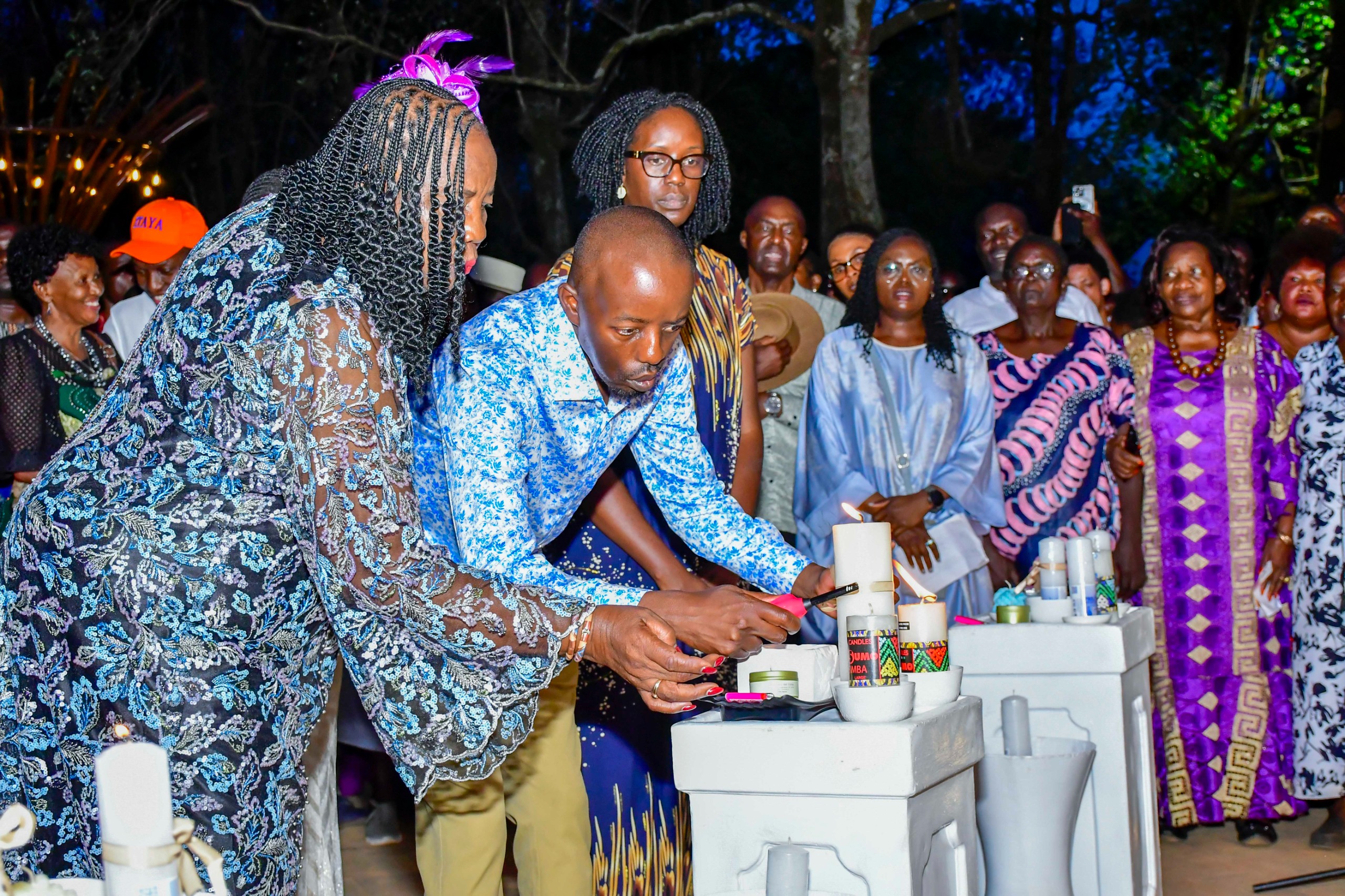

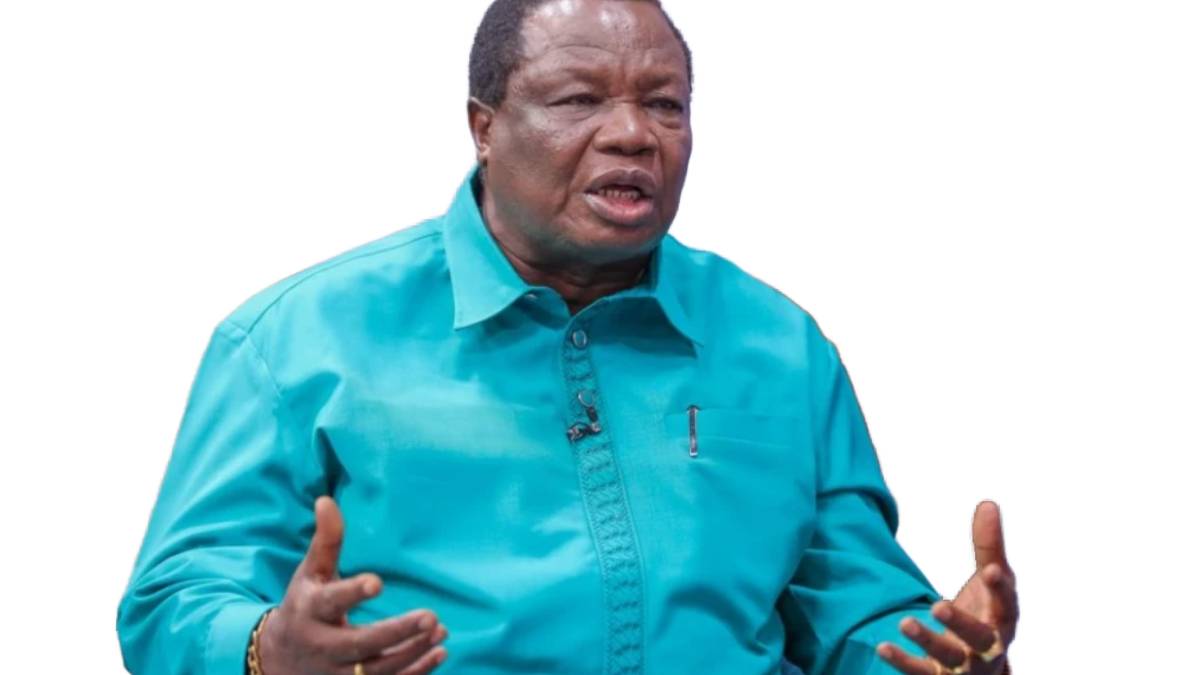
On 26 December 2026, Francis Atwoli will once again convene the now familiar Bukhungu gathering in Kakamega. It will be the third edition of a meeting that once carried genuine political weight. In its prime, Bukhungu symbolised Western Kenya’s collective voice. It was where regional consensus was forged, political temperatures taken, and spokespersons informally anointed. It belonged to an era when regional kingmakers could summon leaders to one stadium and emerge with a common political script.
But politics is not a museum. It refuses to preserve anyone in amber.
Francis Atwoli deserves his place in Kenya’s history. Few trade unionists have shaped the country’s public life as profoundly or for as long. His longevity commands respect. Yet longevity should never be confused with permanence. Politics is governed by renewal, not tenure. There comes a moment when every influential figure must recognise that leadership is stewardship, not ownership. No one, however accomplished, can remain politically evergreen.
That moment has arrived.
Western Kenya today bears little resemblance to the political landscape that produced the first Bukhungu declarations. Demography has quietly rewritten the region’s politics. The youth now form an overwhelming share of its electorate, reflecting Kenya’s broader demographic reality. Their aspirations, language, organising methods and political instincts are fundamentally different from those of previous generations. They consume politics through digital platforms, not elite declarations. They are mobilised by ideas and authenticity, not merely by endorsements from established figures.
Many neither remember nor feel bound by the political rituals that once defined Western Kenya.
This is precisely why the Bukhungu declarations no longer carry the authority they once did. Their symbolism remains. Their political potency has faded. You cannot revive yesterday’s influence simply by repeating yesterday’s ceremony.
Meanwhile, the region’s political centre of gravity has shifted, almost unnoticed by those still reading yesterday’s map.
Whether one agrees with their politics or not, leaders such as Edwin Sifuna, George Natembeya and a growing crop of younger luminaries increasingly shape the public conversation in Western Kenya. They command attention, influence national debate and connect naturally with the region’s emerging electorate. They have become the de facto political voices of a generation that has already moved on.
Leadership is not bestowed by declaration. It is conferred by relevance.
Old-style gatekeeping cannot stop generational change. It merely delays acceptance of what is already happening.
Equally troubling is the spectacle of respected elders picking political fights with individuals young enough to be their children—or even grandchildren. Wisdom should accompany age. Elder statesmen should be expanding political space, mentoring successors and offering counsel, not competing with those who represent the region’s inevitable future.
Every generation deserves the freedom to discover its own political language, make its own mistakes and produce its own champions.
If Bukhungu III seeks to recreate the political chemistry of a bygone era, it risks becoming less a gathering of the future than an annual reunion of yesterday’s politics. The region deserves more than nostalgia packaged as strategy. Western Kenya does not need another declaration about who speaks for it. It needs an honest conversation about where it is going.
History is often kinder to leaders who recognise when their greatest contribution is to prepare the next generation rather than resist it. The strongest institutions outlive their founders precisely because succession is embraced, not feared.
Francis Atwoli has already secured his place in Kenya’s labour movement and political history. That chapter is written. What remains unwritten is his legacy as an elder. Will he be remembered as the bridge between generations, or as the last gatekeeper standing before gates that the people have already walked around?
Time has never negotiated with anyone.
Western Kenya has entered a new political season. Its voters have changed. Its conversations have changed. Its aspirations have changed. Its leadership is changing too.
Perhaps the most consequential declaration Bukhungu III could make is not who leads Western Kenya.
It is that no individual, however influential, is bigger than time.