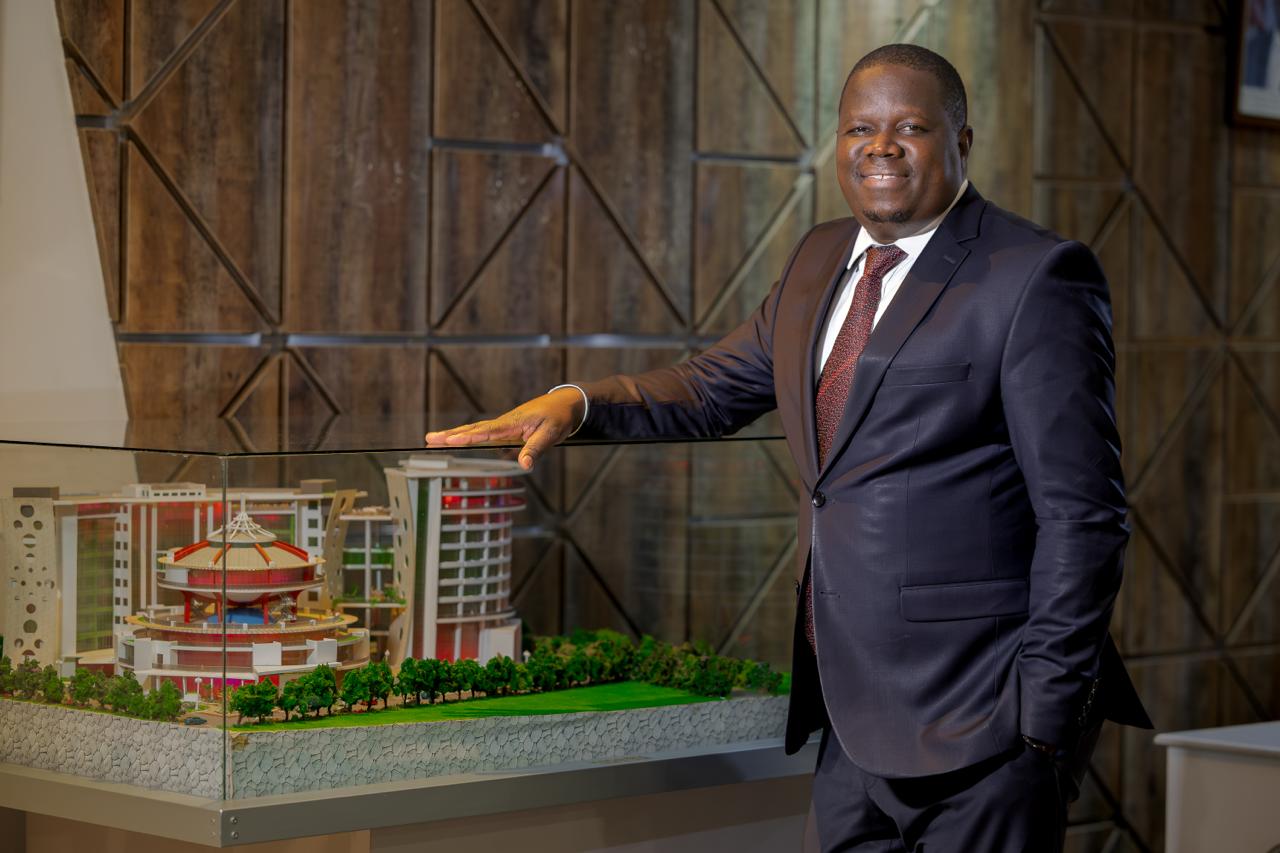


Dr. Mukisa Kituyi made an important observation during his Citizen Television interview: opposition principals must be prepared to consume the intellectual input generated by their technical teams. That statement may sound procedural, but it goes to the heart of whether Kenya’s emerging opposition unity will become a serious governing project or merely another electoral coalition.
Opposition unity without a political programme is not strategy. It is arithmetic.
You can assemble ten political parties, twenty leaders and millions of supporters around one presidential candidate. That may create an electoral machine capable of winning an election. But unless those people are united around a coherent understanding of what they intend to do with power, victory can simply replace one political elite with another.
Kenya has travelled this road before. Our political history contains numerous coalitions created primarily to remove an incumbent or capture state power. They frequently begin with enormous enthusiasm because political differences are temporarily suppressed by the urgency of defeating a common opponent. But once power becomes imaginable, the old questions return: Who becomes president? Who becomes deputy president? Which party receives which ministry? Which region gets what?
That is precisely why ideas must precede positions. The intellectual and technical teams supporting the opposition should therefore not become ceremonial appendages whose papers are applauded at retreats and subsequently forgotten. If people such as Kipruto Arap Kirwa, Professor Mogaka, myself and many others are invited to contribute ideas, research and institutional thinking, then those contributions must enter the bloodstream of the political project.
Technical committees should not exist merely to decorate politics with intellectual respectability. Their purpose must be to interrogate Kenya’s problems, develop credible alternatives and force political leaders to make difficult choices about the country they intend to govern.
Dr. Kituyi’s word — consume — is therefore particularly appropriate. Political principals must consume the ideas produced by their technical teams. They must digest them, debate them, improve them and ultimately own them. Once adopted, those ideas must become commitments against which both the coalition and its eventual government can be measured. That is how opposition unity acquires content.
The central question confronting the opposition should consequently be very simple: What exactly are we uniting to build? If the answer is merely to remove President William Ruto, then the project is dangerously incomplete. Removing an incumbent may be an electoral objective, but it cannot constitute a governing philosophy.
Kenyan citizens deserve considerably more. They should know what an alternative government intends to do about public debt, unemployment, taxation, healthcare, education, corruption and the cost of living. They should understand its position on constitutionalism, devolution, policing, public appointments, procurement, national cohesion and the independence of institutions.
Promises must increasingly become measurable commitments. If we say we will reduce the burden of taxation, by how much and through what fiscal restructuring? If we promise jobs, what economic model will generate them? If we condemn excessive borrowing, what debt-management framework will replace it? If we promise accountable government, what safeguards will prevent tomorrow’s leaders from abusing the same institutions we criticise today?
These are harder questions than deciding who carries the presidential flag. But they are ultimately more important.
Indeed, policy should become the price of admission into opposition cooperation. Any leader seeking membership in a national alternative should be prepared to subscribe to clearly stated principles concerning constitutional government, economic transformation, integrity, institutional independence and citizen-centred development.
This is also why initiatives such as Linda Mwananchi matter. Politics cannot remain a conversation conducted exclusively among political elites in Nairobi hotels and party headquarters. Citizens must become participants in defining the alternative they are being asked to support.
Neither should strategic ideas remain imprisoned within private meetings. Ideas must travel. They should be discussed on television, in universities, churches, markets, professional associations, social media, public forums and villages. They should cross party boundaries. They should be challenged by economists, lawyers, workers, farmers, young people and entrepreneurs.
A strong political idea does not become weaker because another party adopts it. If anything, the objective should be to force the entire political system to compete over better ideas.
This is particularly important as Kenya approaches 2027. The opposition has an opportunity not simply to construct a larger coalition, but to redefine what coalition politics means. Instead of beginning with personalities and subsequently manufacturing a manifesto around them, it can begin with a governing programme and require personalities to subscribe to it.
That would reverse the traditional Kenyan political formula. The manifesto would no longer belong to the candidate. The candidate would belong to the programme.
Such an arrangement would also make unity more durable. Personality-based coalitions are inherently fragile because personal ambitions inevitably collide. Programme-based coalitions possess something larger than individual ambition around which disagreements can be mediated.
Kenya does not suffer from a shortage of politicians. Neither do we lack political parties, alliances, slogans or speeches. What we desperately lack are political projects capable of surviving beyond election day.
That is why Dr. Kituyi’s observation deserves serious attention from every opposition principal. Intellectual input must not merely be commissioned. It must be consumed. Technical recommendations must not merely be received. They must shape political commitments.
The task before the opposition is therefore greater than assembling enough votes to defeat William Ruto. It must demonstrate that it understands what it intends to do with those votes. Because a coalition can win an election without changing a country. Only a coalition united around ideas, institutions, measurable commitments and a coherent programme of government can change the country it inherits.