A digital anti-corruption initiative designed to enable citizens to report public resource mismanagement across Kenyan counties is grappling with severe quality control challenges, with nearly three out of every four submissions rejected by administrators.
Data from Transparency International Kenya’s (TI-Kenya) multi-platform whistleblowing initiative shows that out of 1,411 public reports logged through its Uwajibikaji/A4T mobile application and Uwajibikaji Pamoja web portal, 1,047 cases approximately 73 percent were dismissed upon initial review.
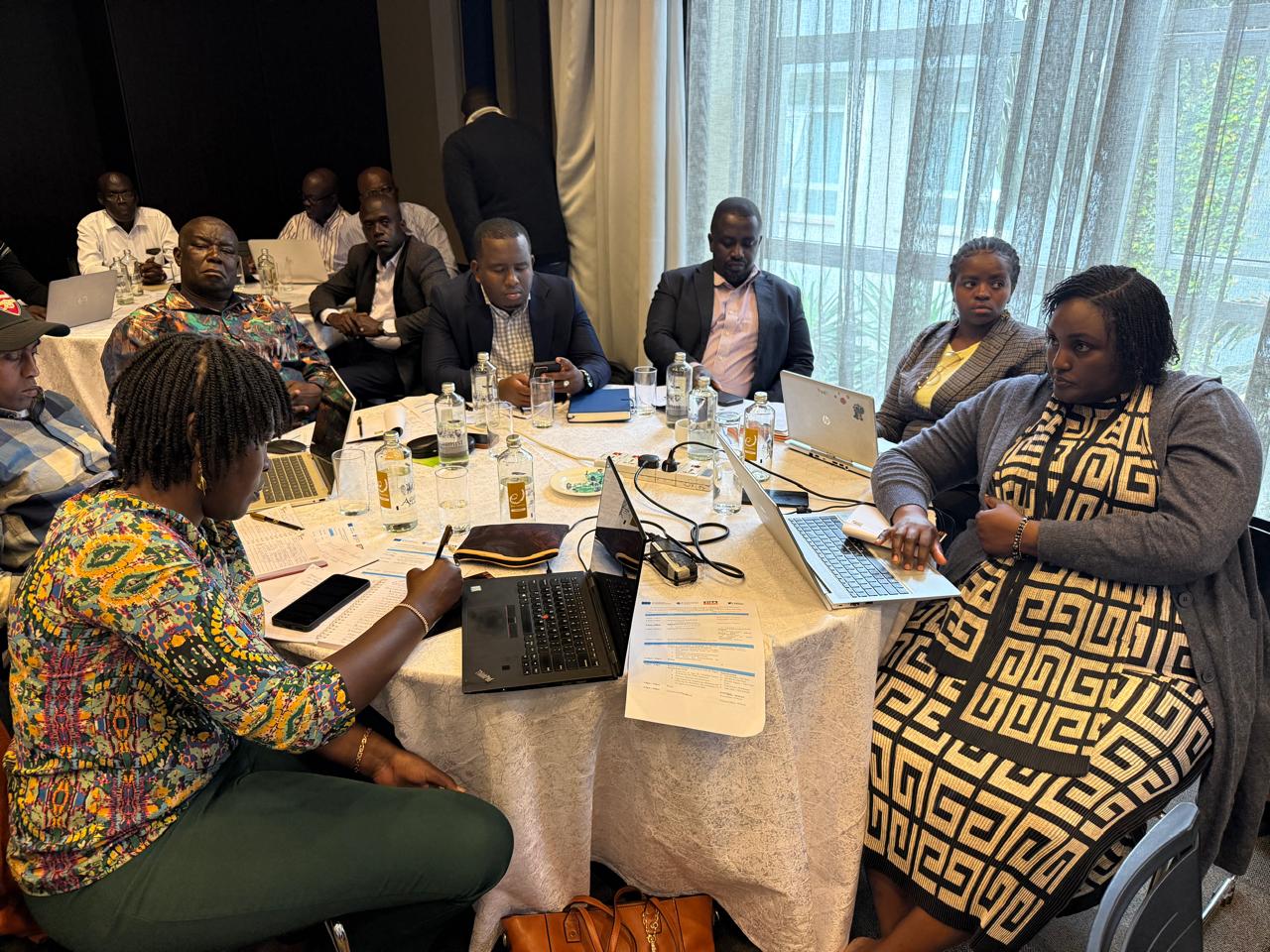
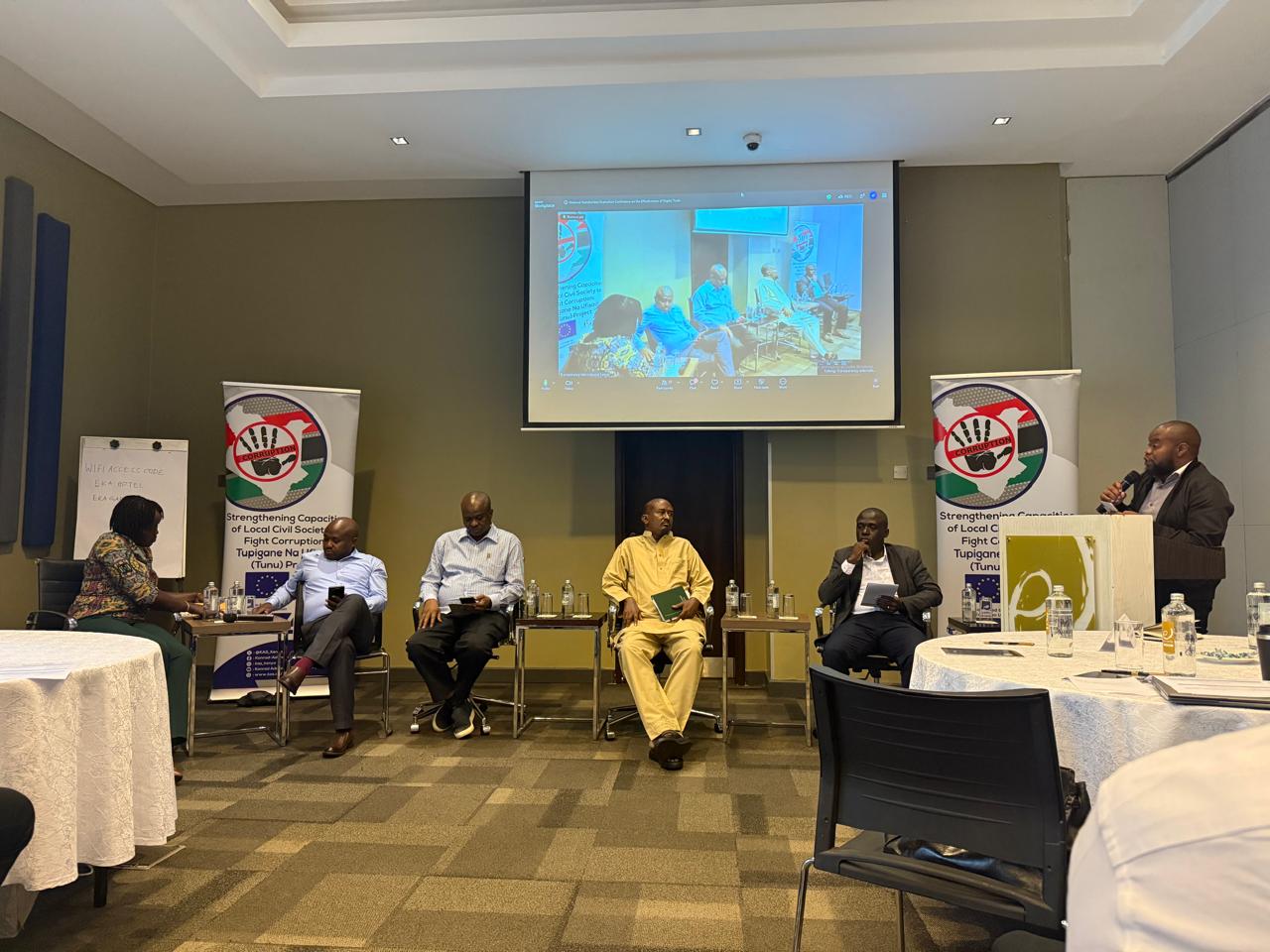
The findings were presented by Philomena Mbaye, Project Officer at TI-Kenya, during the National Stakeholder Evaluation Conference, where she detailed operational challenges and performance metrics of the civic oversight tools.
The high rejection rate highlights a widening gap between digital access and actionable civic reporting in local governance oversight.
According to regional intake logs, most dismissed submissions were test messages, incomplete forms, or claims lacking basic verifiable evidence.
The volume of non-actionable reports has created significant operational bottlenecks for the NGO’s four regional Advocacy and Legal Advice Centres (ALACs), where legal officers must manually screen incoming entries before escalating legitimate claims to authorities.
Despite the high drop-off rate, the initiative has produced concrete outcomes in isolated cases. Project data indicates that 92 corruption and service delivery complaints have been fully resolved, while 137 cases remain under active resolution by county government agencies and national oversight bodies, including the Ethics and Anti-Corruption Commission (EACC) and the Commission on Administrative Justice (CAJ).
The report logs also reveal stark geographic and platform disparities. Non-target administrative areas, such as Uasin Gishu County, generated 26 actionable reports, significantly outperforming several primary target project counties. By contrast, counties including Bungoma, Garissa, and Migori recorded just one actionable submission each over the same period.
Furthermore, mobile users showed a clear preference for app-based reporting. The Uwajibikaji/A4T mobile application recorded 901 total entries, compared to 510 submissions made through the web and shortcode-driven Uwajibikaji Pamoja system.
In response to the operational strain, civic tech handlers are working to refine intake protocols to filter test entries and improve user guidance.
Community organizers are also pushing for enhanced public civic education to help citizens gather necessary documentation before filing complaints, ensuring public integrity tools lead to formal investigations rather than administrative dismissals.