For four years, Naomi (not her real name) has lived with painful memories she wishes she could erase.
The 19-year-old mother from Trans Nzoia County says her ordeal began when she was sexually assaulted by a neighbour, a rape that resulted in her daughter’s birth. Before she could recover, her daughter also became a victim of defilement. The trauma deepened when she narrowly escaped another attempted rape.
Instead of finding safety, Naomi has been forced to continue living in the same community where the perpetrators remain. Every encounter serves as a painful reminder of her ordeal.
“I have struggled to heal because I have nowhere else to go. Every day I fear meeting the people who hurt me,” she says.
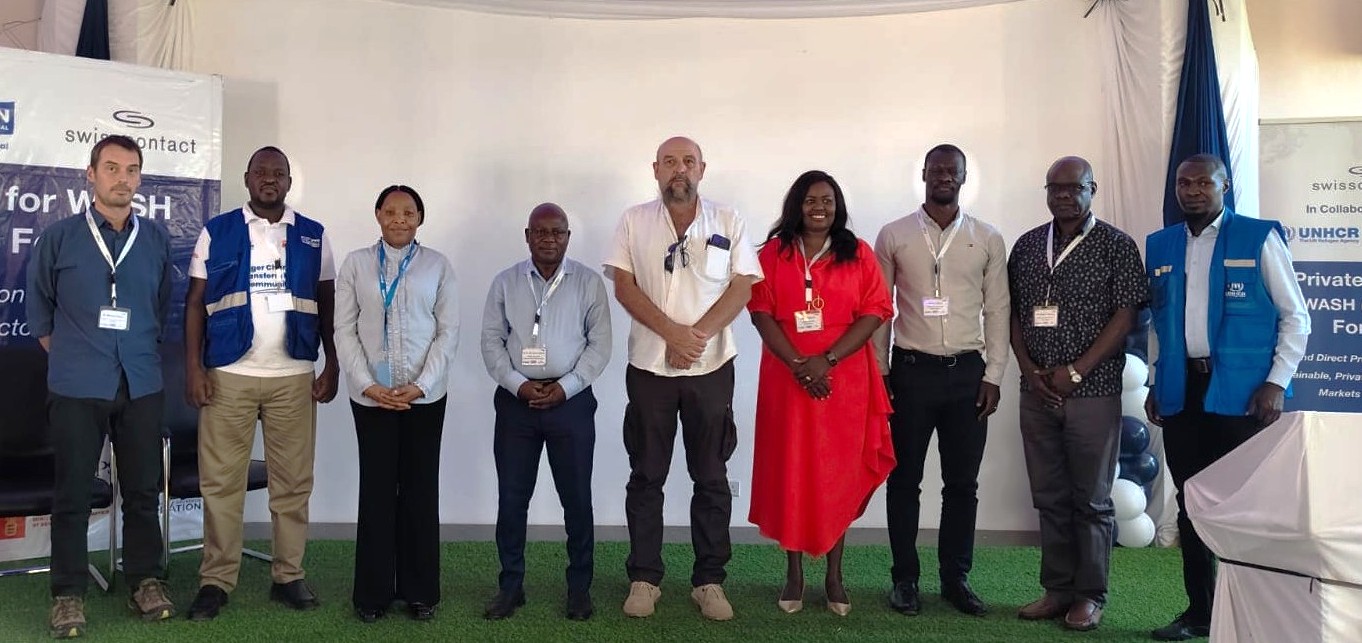
For survivors like Naomi, the establishment of 50-bed Gender-Based Violence (GBV) Safe House by Shining Hope for Communities (SHOFCO) in collaboration with Trans Nzoia County Government offers hope for a fresh start.
Beyond providing temporary accommodation, the facility will offer counselling, nursing services, legal support and economic empowerment programmes aimed at helping survivors rebuild their lives.
Naomi hopes to enrol in vocational training offered at the centre to acquire skills that will enable her to become financially independent.
“I want to learn a skill and start life again. That is what I have been praying for,” she says.
Her story reflects the reality facing hundreds of survivors in Trans Nzoia, a county grappling with increasing Sexual and Gender-Based Violence (SGBV) cases, many complicated by its location along the Kenya-Uganda border.
According to Judiciary data, Trans Nzoia recorded 1,016 SGBV cases in 2025, with 704 concluded through the courts, up from 991 cases in 2024 when 339 were successfully resolved. However, justice remains elusive for many survivors because of fear, and the challenges associated with cross-border crimes.
Oscar Wanjala, County Coordinator for the Directorate of Children’s Services in Trans Nzoia, says he is currently handling two defilement cases in which the suspects fled to Uganda after committing the offences.
“We currently have two active defilement cases in which the alleged perpetrators fled to Uganda. Cross-border cases present a major challenge because tracing, and returning suspects requires cooperation between authorities in both countries, which often delays justice,” Wanjala says.
He notes that while Kenyan and Ugandan authorities cooperate, differences in legal systems often delay investigations and prosecutions.
“Children require continuous psychosocial support throughout investigations. Without safe places where they can stay, many end up returning to environments that expose them to further harm,” he adds.
Benjamin Kelwon, Principal Prosecution Counsel in Trans Nzoia County, says the absence of a dedicated safe house has for years complicated prosecution of SGBV cases in the county.
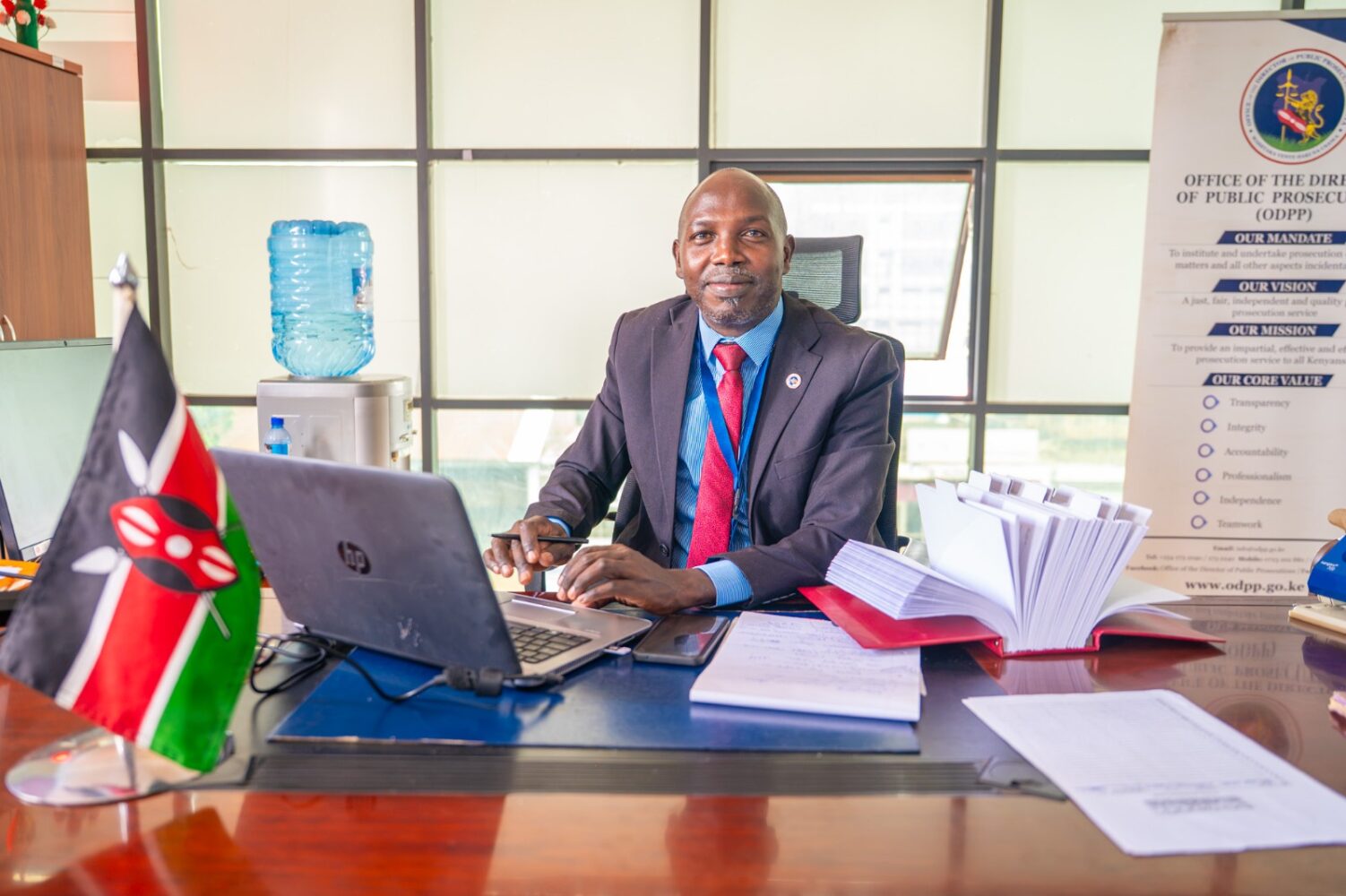
“In many cases, survivors are unwilling to return to the scene of the crime because they fear retaliation or emotional trauma. This is especially common in incest cases where the perpetrator is a close family member,” Kelwon says.
He says prosecutors have often struggled to keep survivors engaged throughout lengthy court processes because they lack secure accommodation.
“A safe house provides survivors with security and emotional stability while cases are ongoing. It is something the county has lacked for a long time,” he states.
Police officers working along the Kenya-Uganda border face similar challenges.
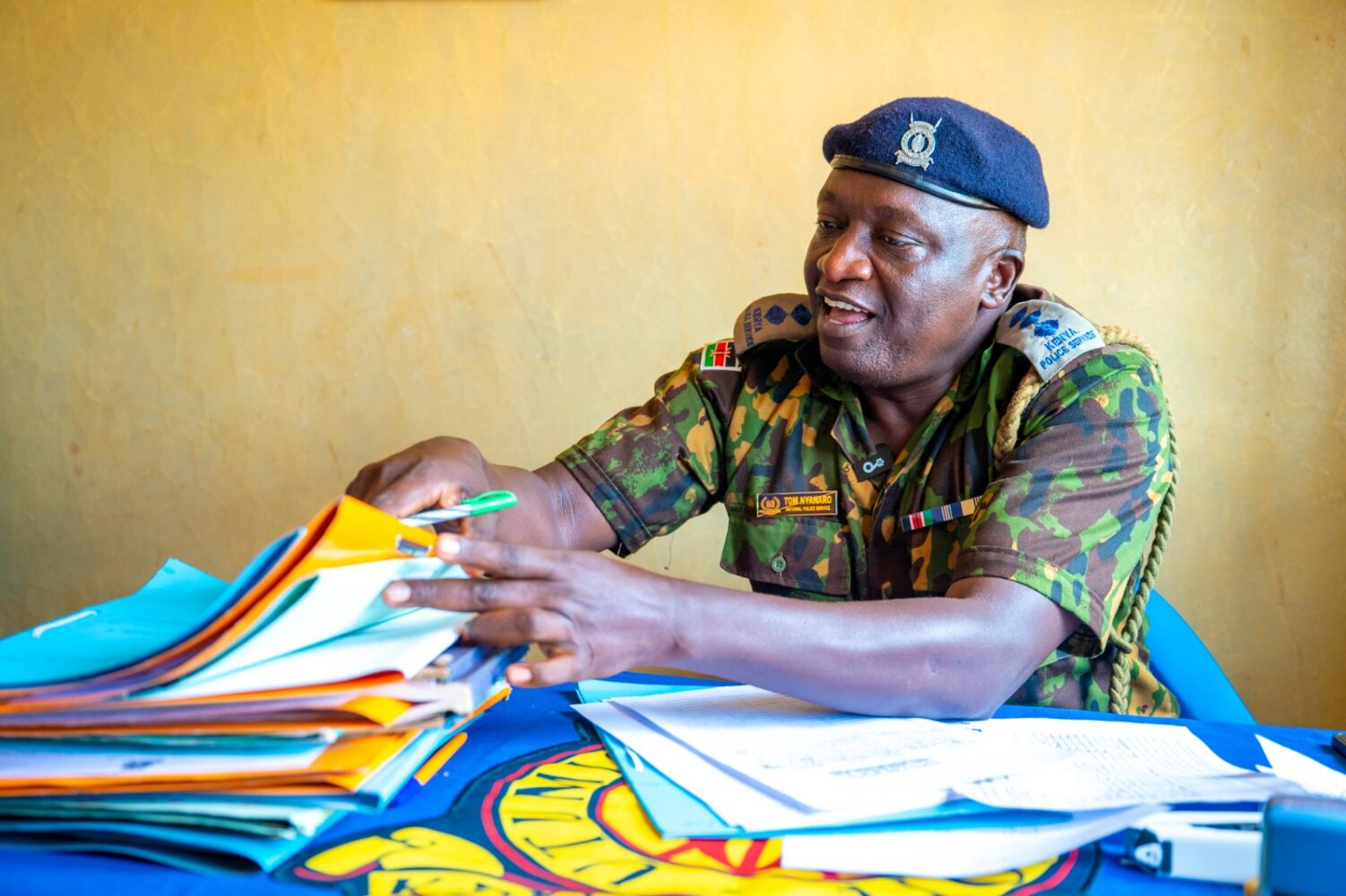
Tom Nyanaro, Kapkoi Police Station Officer Commanding Station (OCS), says officers have established close working relationships with their Ugandan counterparts to pursue suspects involved in cross-border crimes.
“We have maintained strong cooperation with security agencies across the border. Whenever incidents occur, we share intelligence and coordinate investigations,” says Nyanaro.
However, he notes that suspects often exploit the porous border to evade arrest.
“Some perpetrators cross into Uganda immediately after committing offences, while victims may also relocate before statements are recorded. These movements slow investigations and sometimes discourage survivors from pursuing justice.
“We have also had cases of those who have been released on bond crossing to Uganda before the cases are concluded,” he adds.
He believes the safe house will reduce these challenges by providing secure accommodation for survivors during investigations and court proceedings.
For SHOFCO case worker Vilma Owino, who handled Naomi’s daughter’s case, says one of the biggest obstacles has been convincing survivors to remain committed to lengthy legal processes while still living near their attackers.
“Many survivors tell us they cannot continue attending court because every evening they have to return to the same environment where the perpetrator lives,” she says.
Others face pressure from relatives or community members to withdraw cases, particularly where offenders are family members or neighbours.
“A safe house gives survivors time to heal emotionally while receiving counselling, medical attention and legal support. It also protects them from interference that often weakens cases before they reach conclusion,” she says.
Dr. Kennedy Odede, SHOFCO Founder and Chief executive officer, says the organisation decided to invest in Trans Nzoia because of the county’s strategic location along the Kenya-Uganda border and the growing need for comprehensive survivor support services.
“Ending gender-based violence requires much more than rescuing survivors. We must create safe spaces where they can recover physically, emotionally and economically,” says Odede.
“The Kenya-Uganda border presents unique challenges because of frequent cross-border movement and harmful cultural practices that sometimes make it difficult for survivors to access justice. Survivors should never be forced to choose between their safety and pursuing justice,” he says.
The journey to justice was long and emotionally draining for Naomi who says SHOFCO’s support gave her the strength to see the case through to the end.
“SHOFCO stood with me throughout the court process. The man who defiled my daughter was convicted and sentenced to life imprisonment,” she says.