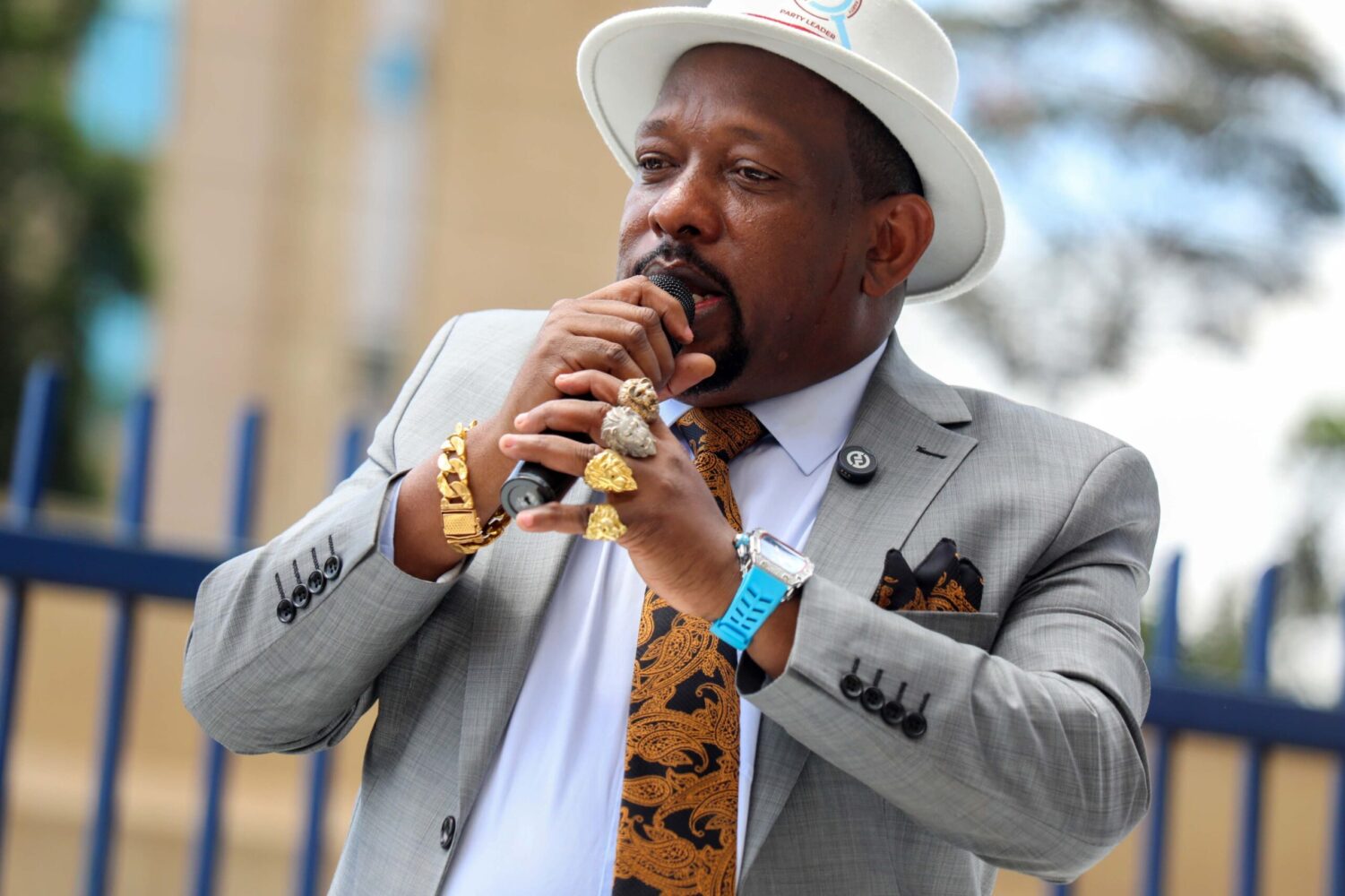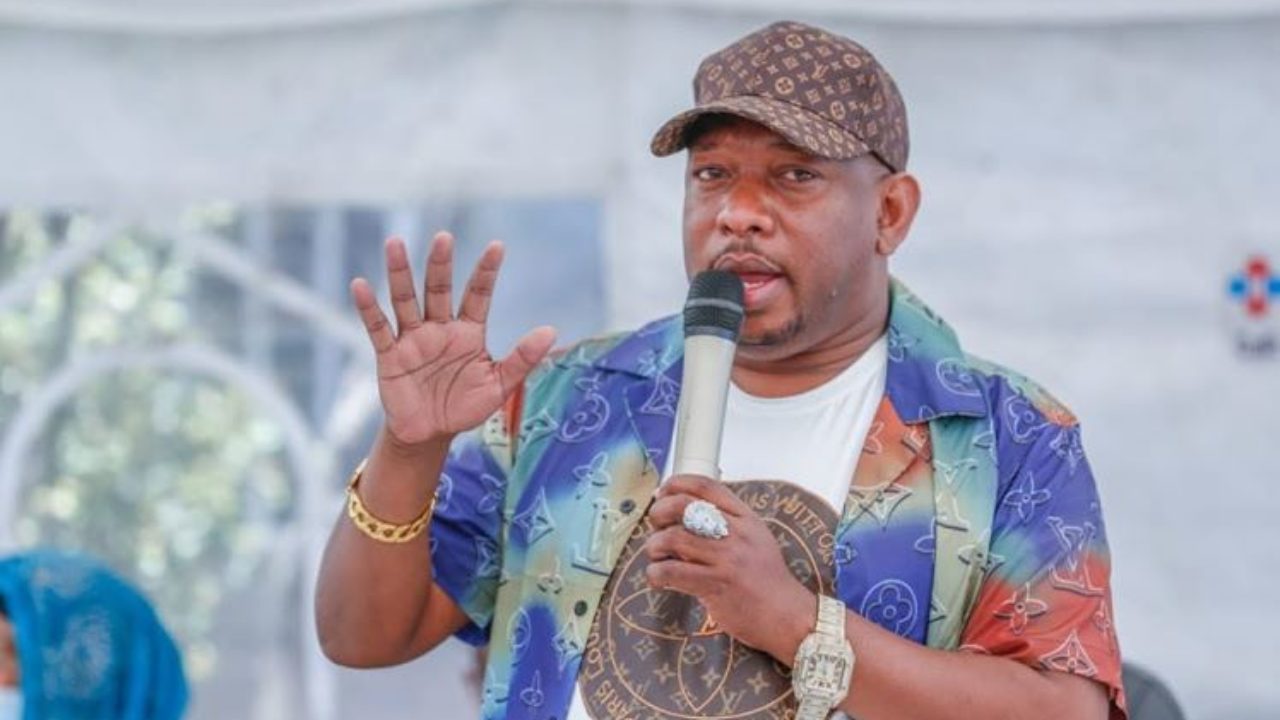
Former Nairobi Governor Mike Sonko has moved to join an ongoing court case challenging the government’s planned sale of its stake in Safaricom, intensifying the legal contest over one of Kenya’s most valuable assets.
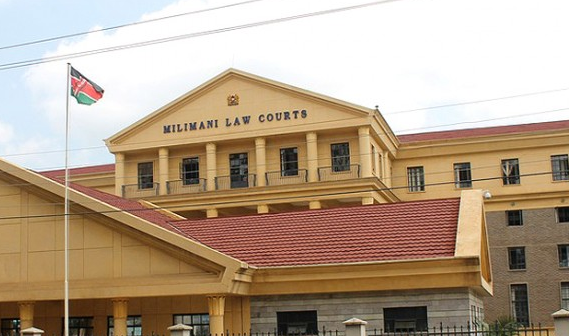
In an urgent application before the High Court, Sonko is seeking to be enjoined as an interested party in the petition filed by political activist Tony Gachoka and Prof. Fredrick Ogola. The case questions the legality and transparency of the proposed sale of a 15 per cent government stake in Safaricom to South Africa’s Vodacom Group.
Sonko argues that the matter raises significant public interest concerns, particularly due to Safaricom’s central role in Kenya’s economy and digital ecosystem. He maintains that millions of Kenyans who rely on services such as M-Pesa could be directly affected by the outcome of the transaction, and therefore deserve representation in the proceedings.
The former governor further contends that the proposed deal could dilute government control over a strategic national asset. Court filings indicate that the sale would reduce the State’s shareholding, potentially shifting greater influence to a foreign-owned entity—an outcome critics say may have implications for economic sovereignty and data security.
The original petitioners have already asked the court to halt the transaction, citing concerns over alleged undervaluation, lack of transparency, and absence of meaningful public participation. They claim the shares are priced below their intrinsic value and that the process may not meet constitutional and statutory requirements governing the disposal of public assets. 
The High Court has since consolidated multiple petitions on the matter and referred the case for consideration by a multi-judge bench, underscoring its constitutional weight and national importance. 
Sonko now wants the court to allow him to submit additional arguments and evidence, saying his participation would help ensure a more comprehensive determination of the issues at stake.
The case continues to draw attention as it pits public interest concerns against the government’s plan to restructure its holdings in Safaricom, a company that dominates Kenya’s telecommunications and mobile money sectors.