Global leaders, scientists, policymakers and city officials meeting in Nairobi have called for deeper collaboration to accelerate climate action and build more sustainable cities amid rapid urbanization and growing environmental challenges.
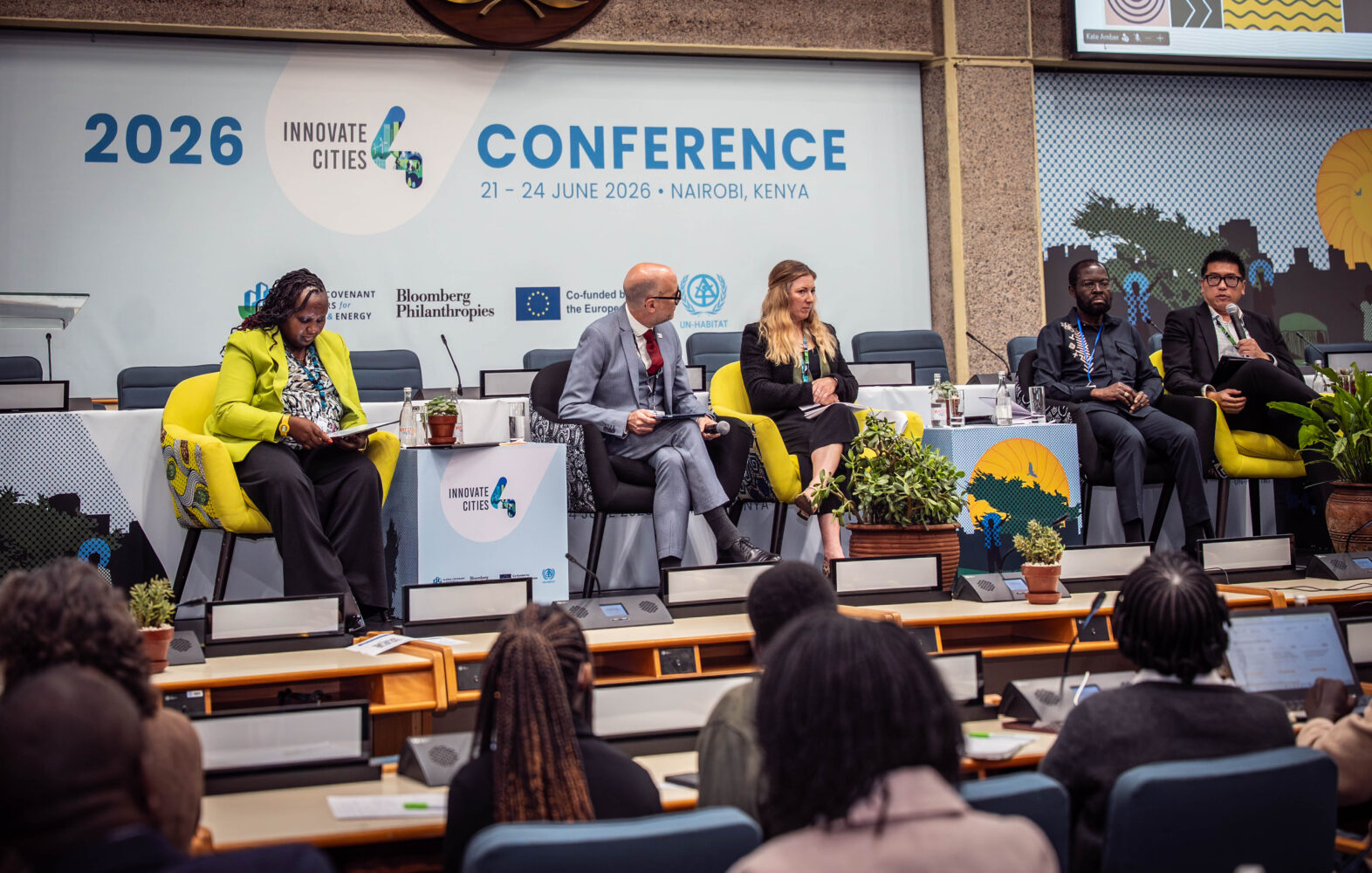
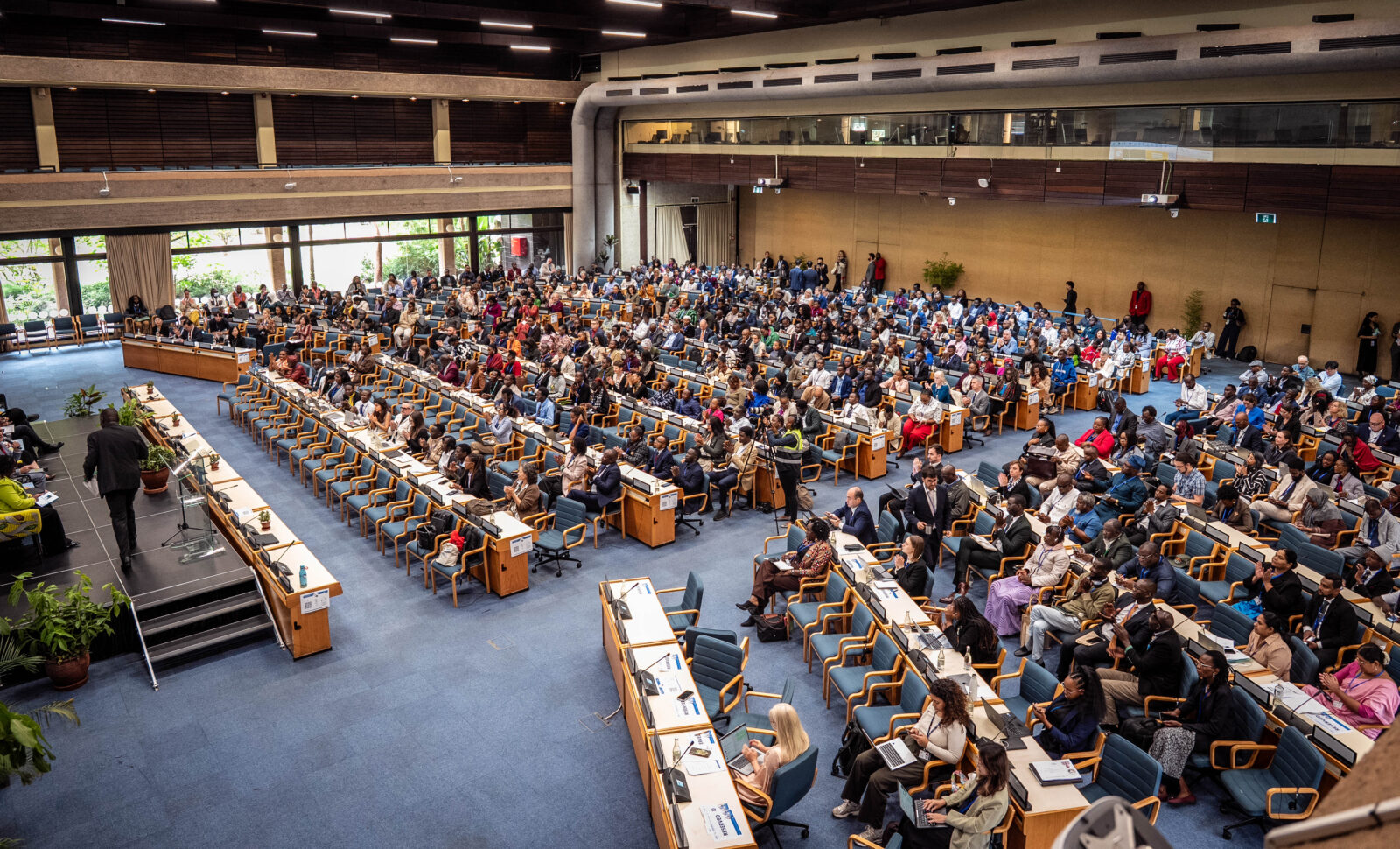
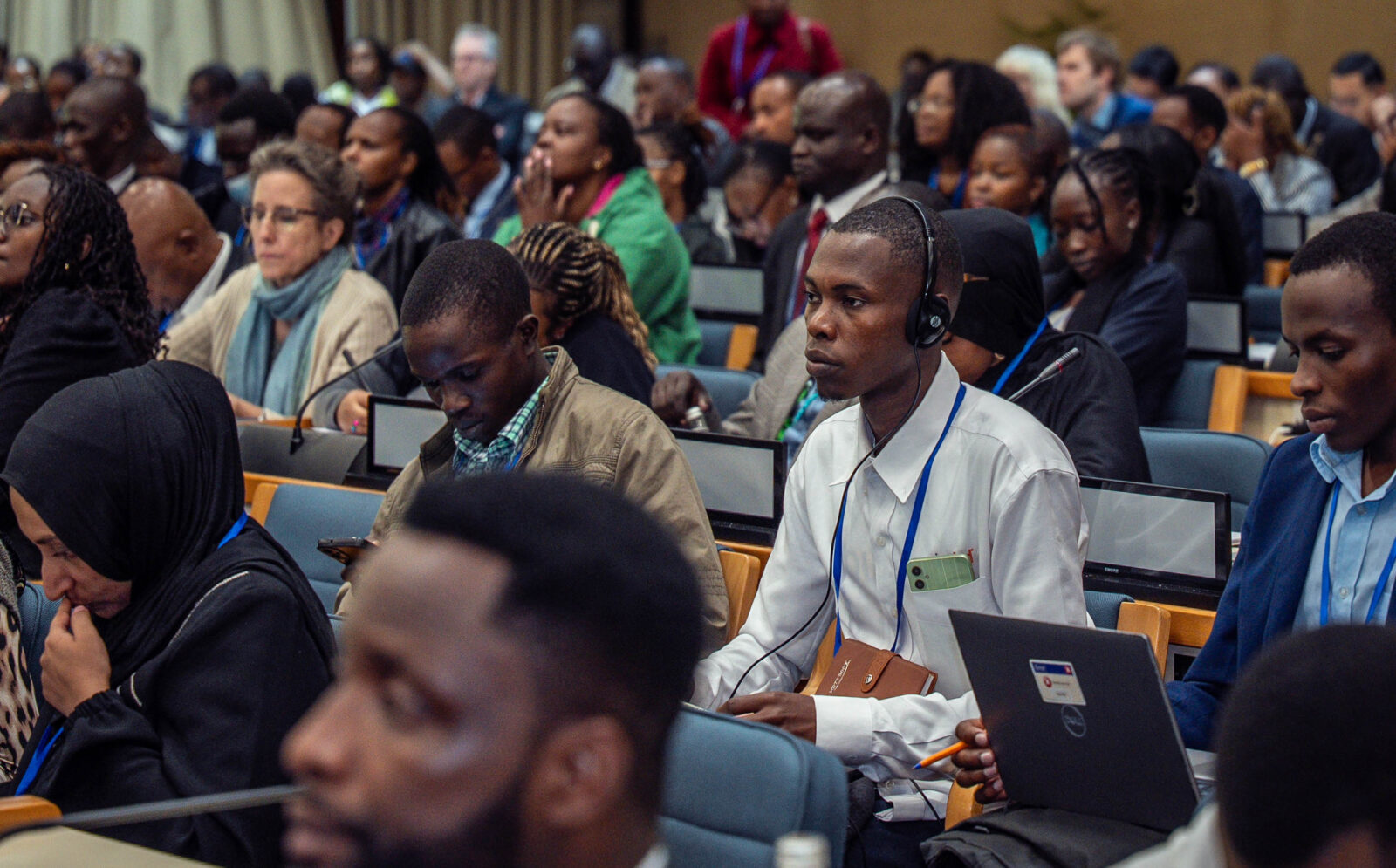
Speaking during the opening plenary of the 2026 Innovate4Cities (I4C26) Conference at the United Nations Office at Nairobi, leaders emphasized that partnerships between governments, researchers, businesses and communities will be critical in driving solutions to the climate crisis.
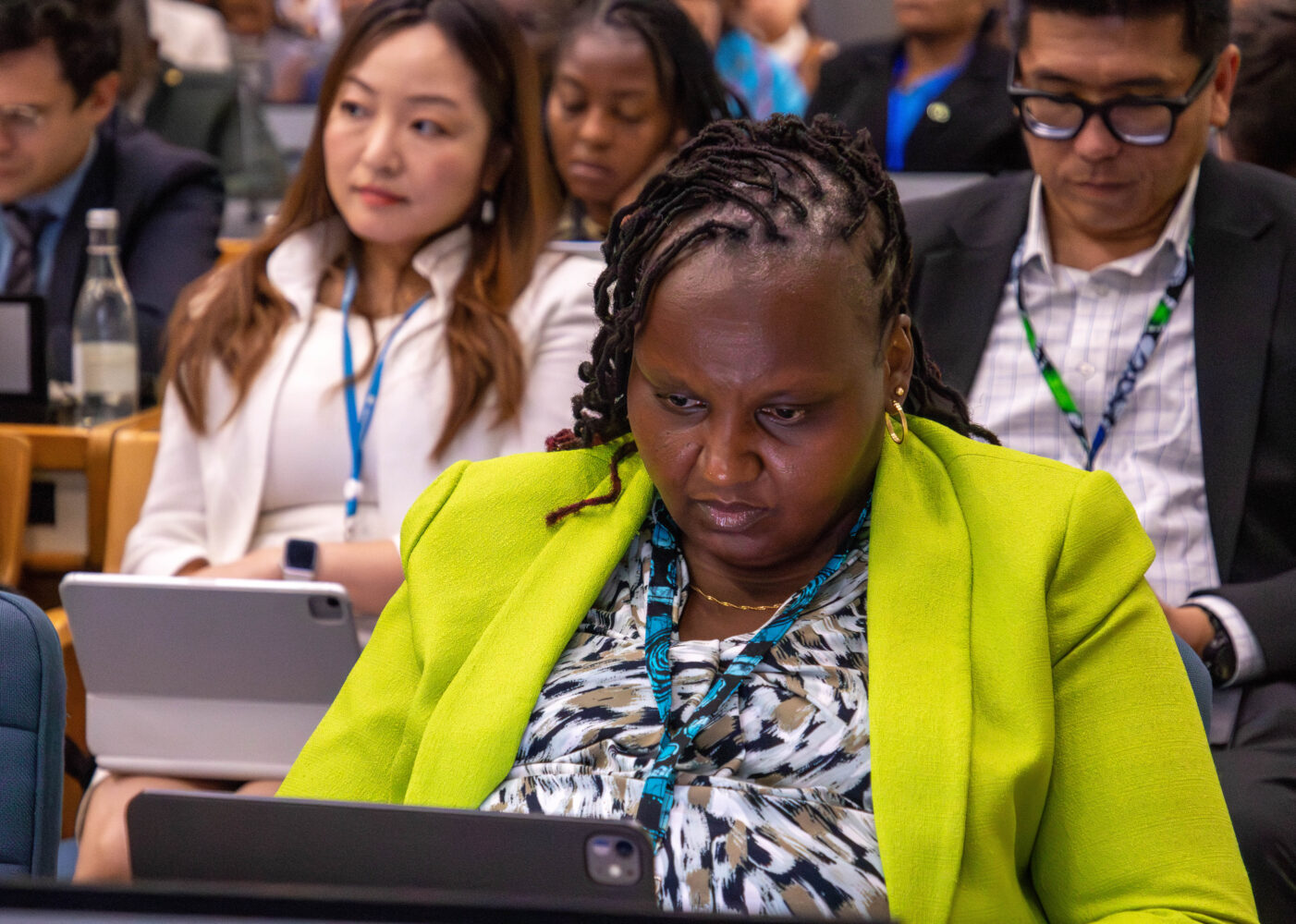
The three-day conference has brought together mayors, urban planners, academics and development partners from across the world to explore innovative approaches to urban sustainability.
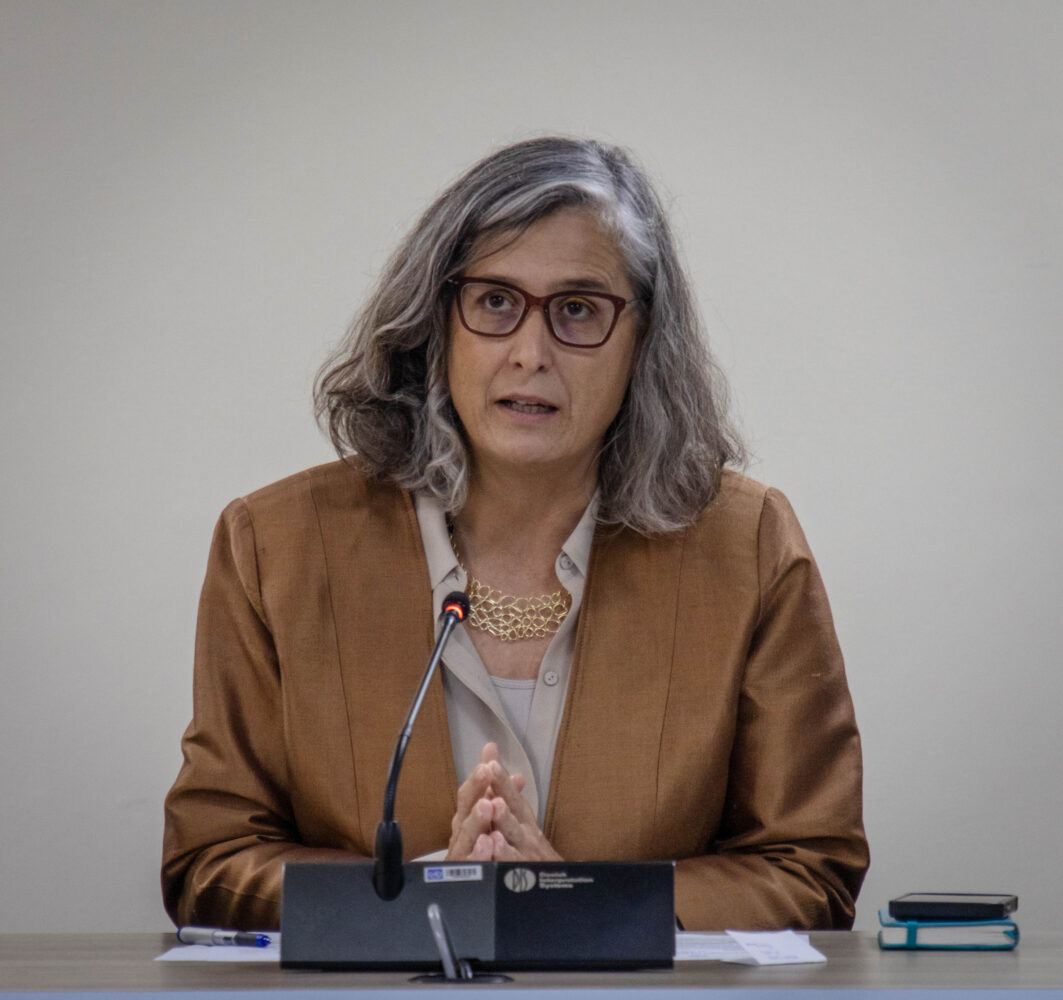
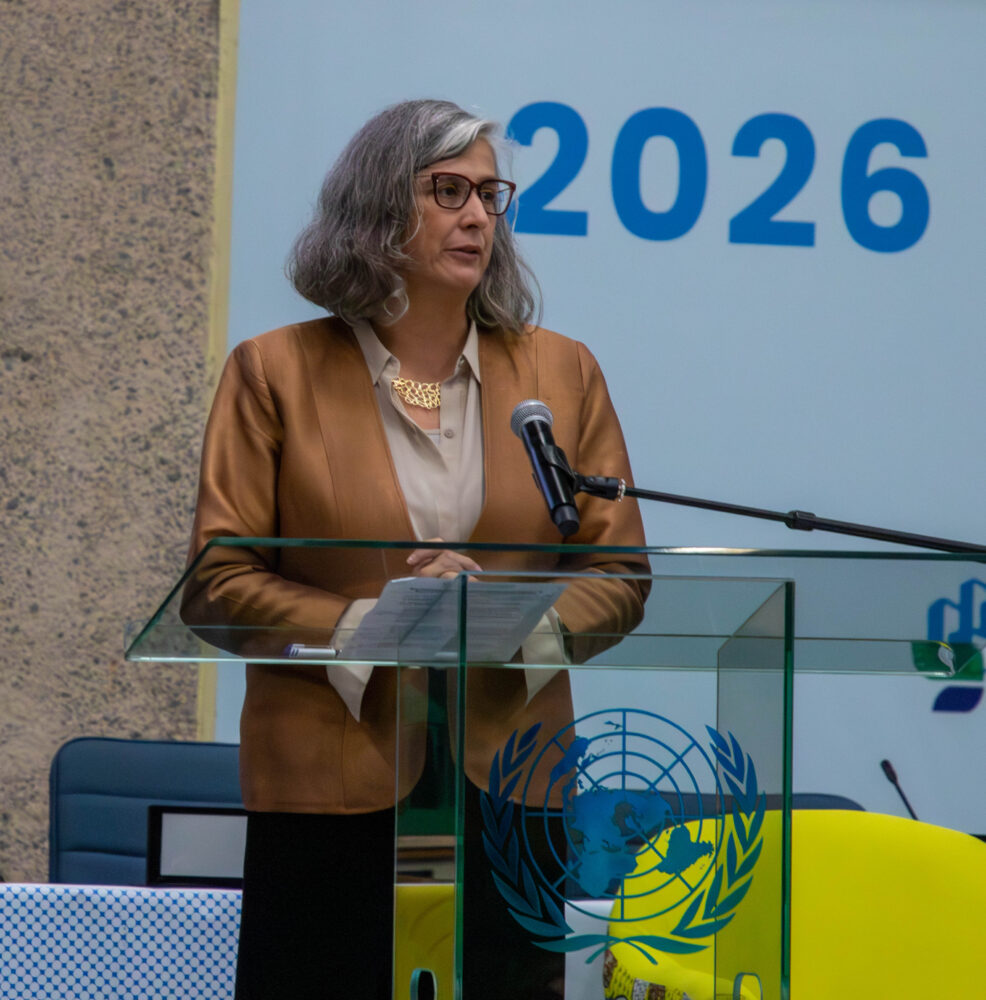
UN-Habitat Executive Director Anacláudia Rossbach warned that Africa’s cities are expanding at an unprecedented pace even as millions of people continue to lack adequate housing and basic urban services.
She said the outcomes of the Nairobi conference will help shape discussions on the review of the New Urban Agenda and contribute to preparations for the upcoming COP31 climate conference.
“Our commitment is to science-based solutions for urban challenges,” Rossbach said, urging cities to embrace evidence-driven policies that improve resilience and quality of life.
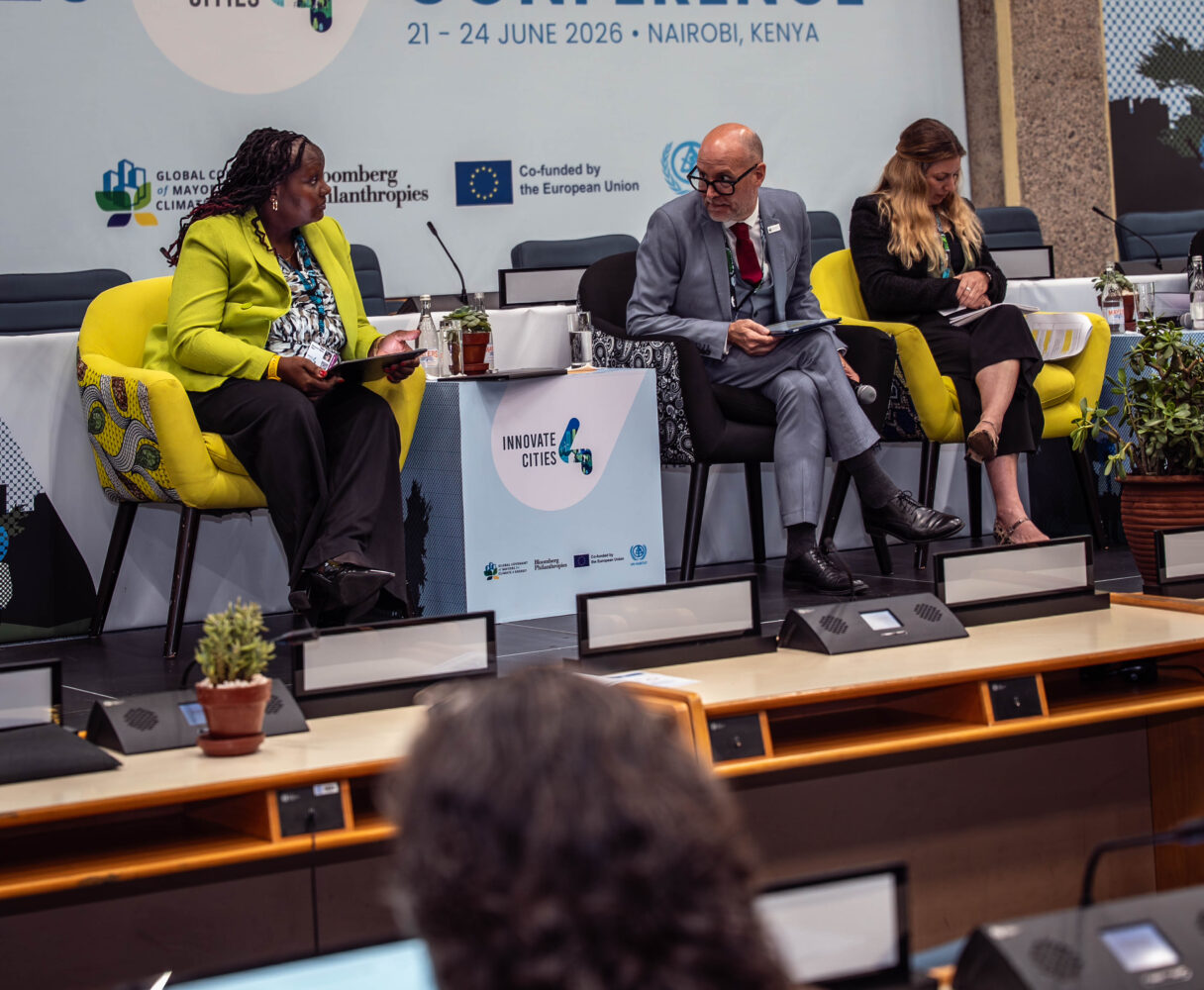
Global Covenant of Mayors Co-Managing Director Andy Deacon said the alliance has grown to more than 14,000 cities worldwide, with Nairobi among its early members.
He noted that local governments are increasingly at the forefront of climate action through practical interventions that directly impact residents.
“Cities are implementing climate action. Our greatest achievement is leadership,” Deacon said.
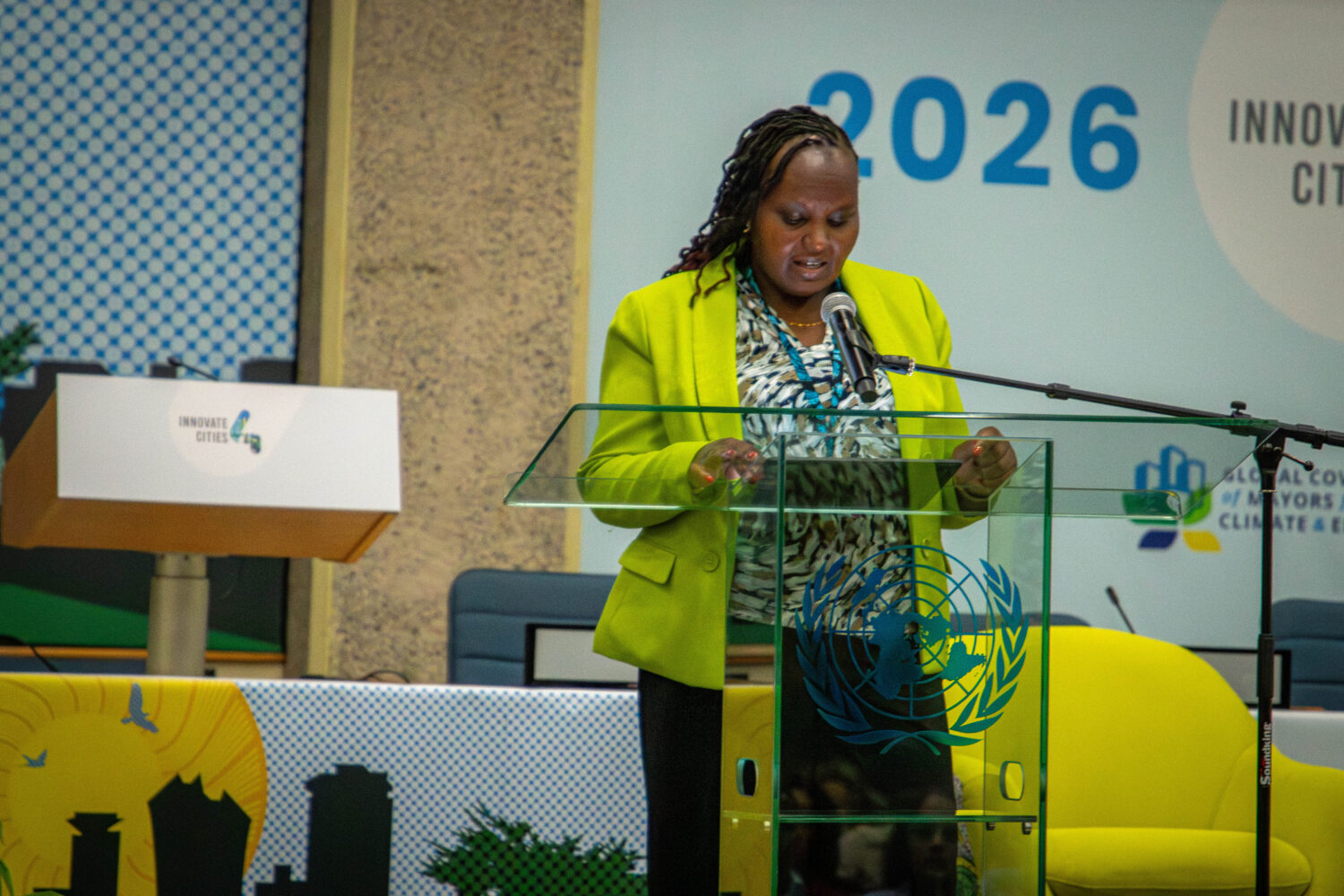
Nairobi County Executive Committee Member for Green Nairobi Maureen Njeri said the city stands to benefit significantly from hosting the conference through knowledge exchange, research partnerships and access to innovative solutions that can be replicated across Africa.
“Nairobi stands to benefit from hosting this conference by bringing together global research and practical solutions that can be adapted to address urban challenges across the continent,” she said, highlighting the county’s Air Quality Working Group as a successful example of data-driven policymaking.
Meanwhile, Inger Andersen, Executive Director of the United Nations Environment Programme, called for greater investment in resilient infrastructure and warned that exceeding the 1.5°C global warming threshold would significantly increase climate risks for cities, particularly in developing countries.
The Innovate4Cities Conference is expected to generate policy recommendations and partnerships aimed at helping cities accelerate climate action while improving the lives of urban residents worldwide.