When George Kuria joined the Ruring’u Affordable Housing Project, he had little experience in construction. Today, the local youth says the project has given him practical skills, income and confidence to seek opportunities beyond the site.
“This work has helped me because when I came here, I had no experience. Now I have experience,” Kuria says.
Kuria, who comes from Ruring’u, says the steady work has changed his ability to plan his life and support himself.
“Here, you can plan your things because you have work. This is my livelihood,” he says.
Before joining the project, Kuria says he depended on irregular casual jobs outside the area, sometimes going days without work. The opportunity at Ruring’u, he says, has provided a more reliable source of income while allowing him to develop skills he can use elsewhere.
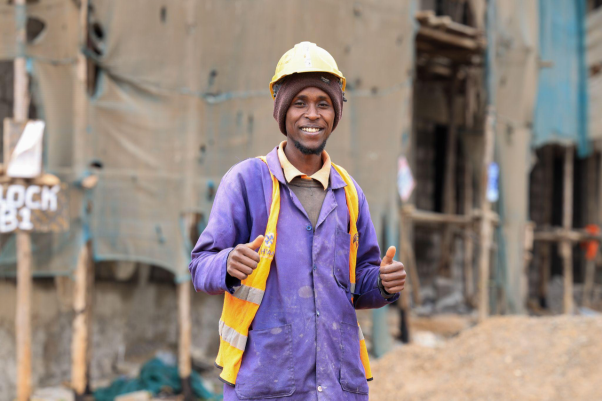
“I can leave here and go somewhere else and stand on my own, even when nobody is watching me. My work is now good,” he says.
His experience reflects a wider employment impact from the housing project, which is engaging local workers as construction progresses.
Gerald Kariuki, Project Clerk of Works from the State Department for Housing and Urban Development, says the project currently employs an average of 250 to 300 workers, including people from the locality.
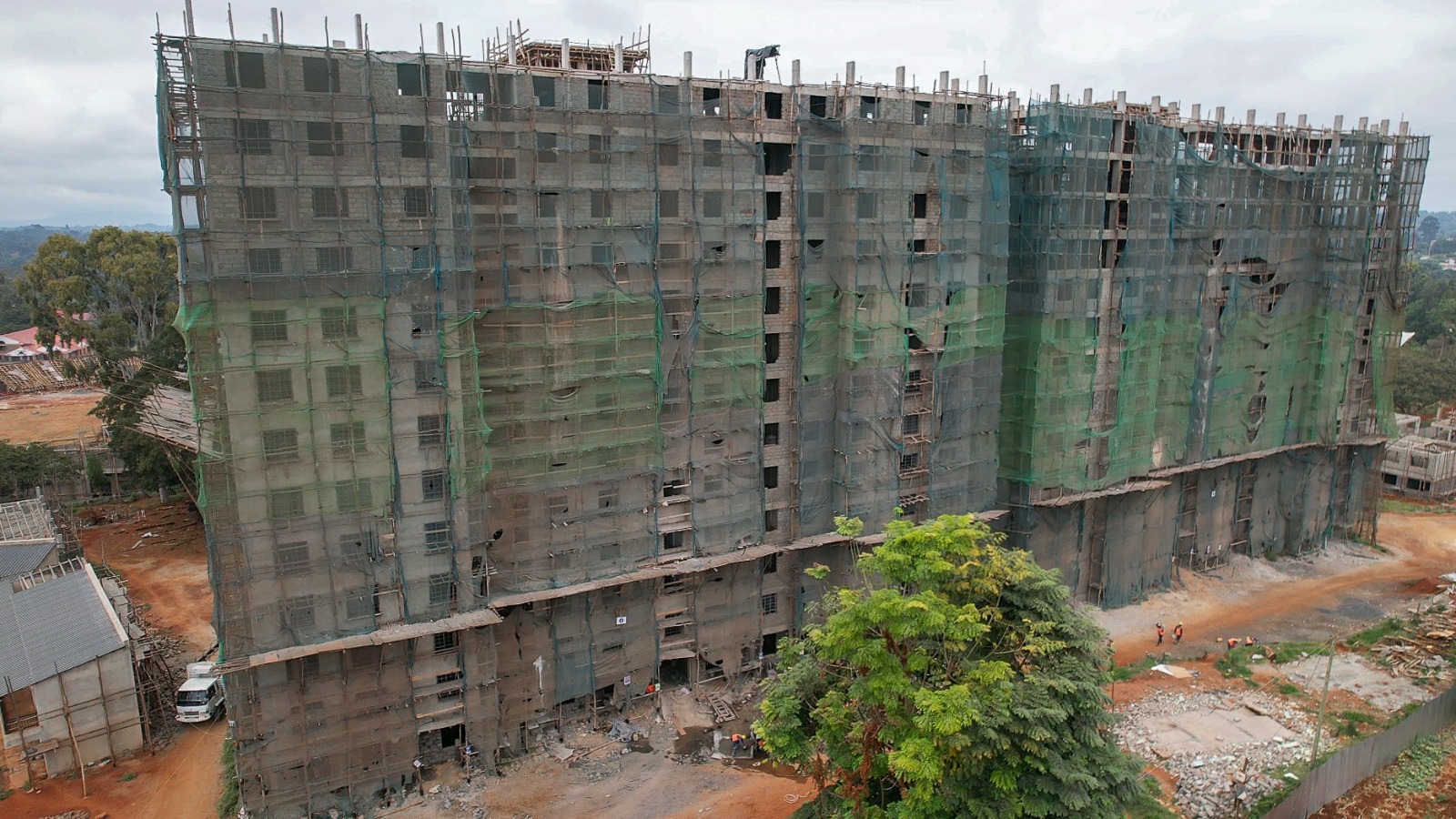
The project comprises four residential blocks containing 480 housing units across social, affordable and market-rate categories. Each block rises to 11.5 floors above the ground level.
Beyond housing, the development includes a primary school with 22 classrooms, each designed for 40 learners, giving the facility a planned capacity of 880 pupils.
Kariuki says the school was incorporated because the surrounding area has limited schools, allowing both future residents and the wider community to benefit.
The project also includes four commercial blocks with eight shops each, providing 32 spaces for businesses and services. Other facilities include parking, water infrastructure, security installations, children’s play areas, playing fields, green spaces and paved access routes.
Construction began on September 24, and the project has reached 69.5 per cent physical progress against 92 per cent time elapsed, according to Kariuki.
The scale of the development is creating opportunities beyond direct employment, with suppliers, traders and service providers positioned to benefit from increased activity as construction and occupancy progress.
The development is therefore changing the employment landscape around Ruring’u, giving young people an opportunity to enter construction, learn on the job, earn income and build experience that can support future employment and enterprise.
For Kuria, however, the immediate value is personal: a job that has allowed him to gain experience and earn a living while remaining close to home.
He also urges residents to put politics aside and focus on development that creates opportunities.
“People should stop continuing with politics. Let us put politics aside and work first,” he says.
As Ruring’u changes, the project is demonstrating how public investment can create more than housing: it can open pathways from unskilled work to practical skills, income and greater economic independence for local youth.