Journalism is often mistaken for simply holding a microphone or operating a camera, yet every assignment comes with risks that many people never see.
Behind every breaking news story are journalists who walk into volatile situations, from violent protests and crime scenes to dangerous anti-narcotics operations, determined to ensure the public receives accurate and timely information.
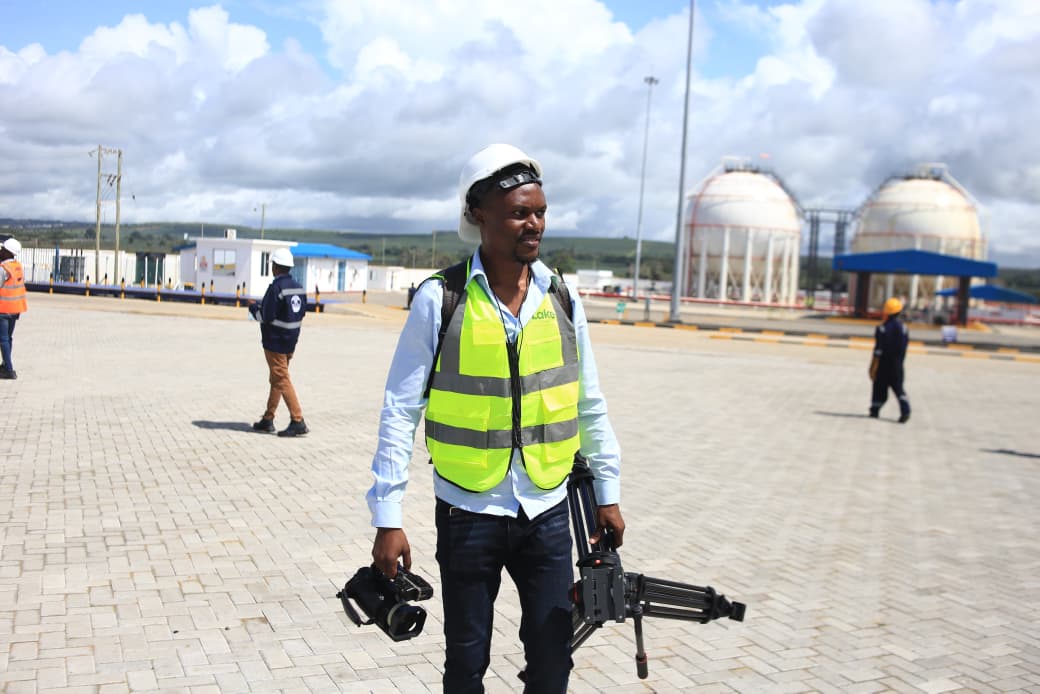
“Many people only see the final report on television, but they rarely see the dangers we face before the camera starts rolling,” says Brian Barasa Siundu, TV47 Correspondent in Mombasa.
For Siundu, reporting has meant standing only metres away from armed security operations, chaotic crime scenes and unpredictable crowds.
Covering high-risk assignments requires constant vigilance, quick decision-making and trust in both security officers and fellow journalists.
“Every assignment demands courage because you never know how events will unfold once you arrive at the scene,” said Siundu.
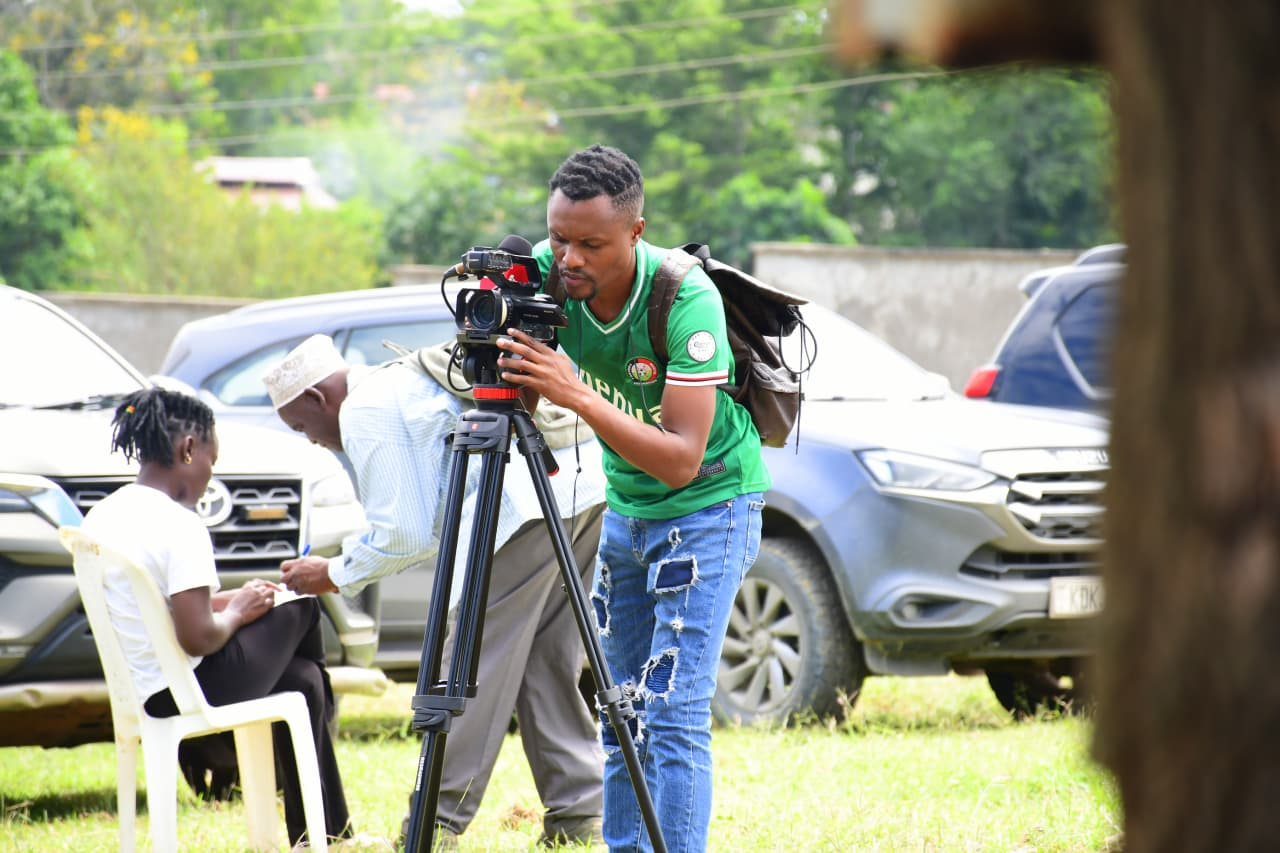
One of the most memorable assignments for him was covering investigations involving an Iranian drug syndicate at the Coast.
The operation exposed the complex and dangerous world of international drug trafficking, where officers worked under intense pressure to dismantle sophisticated criminal networks.
“You quickly realize that one wrong move can place both officers and journalists in danger,” he said.
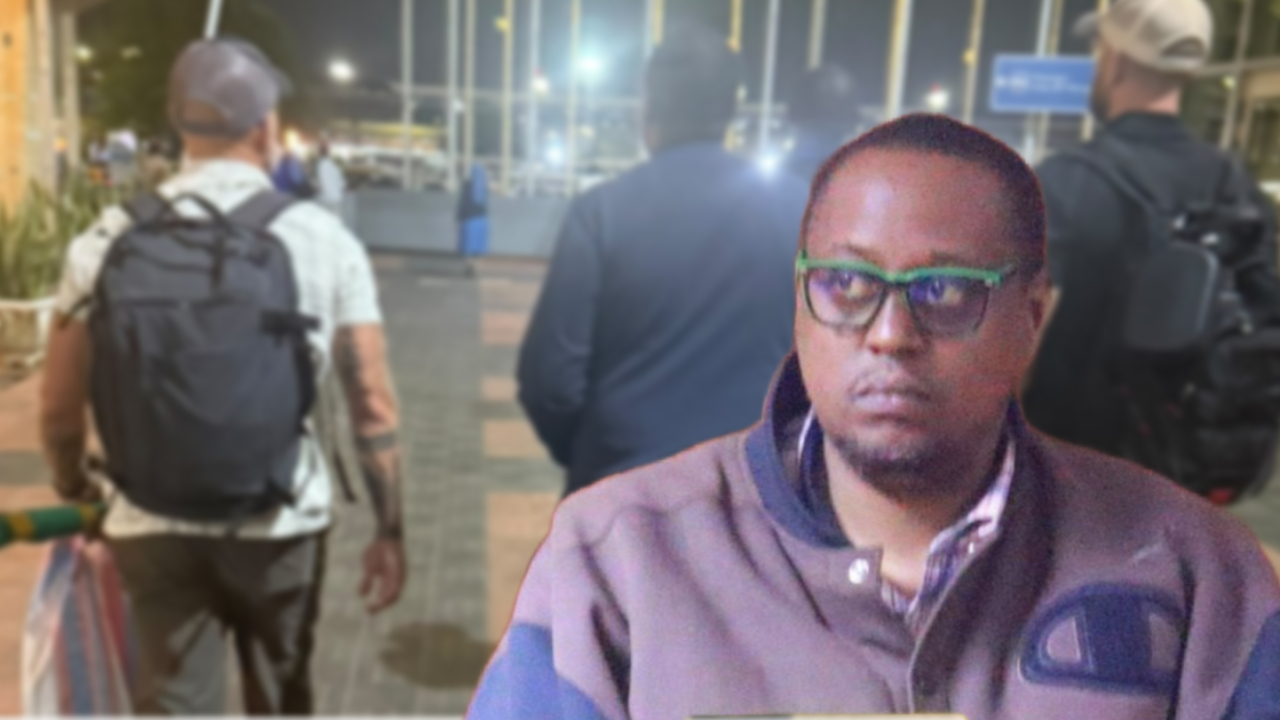
The risks became evident once again during the latest anti-drug crackdown in the Coast region, where detectives arrested a suspected drug dealer who had allegedly swallowed 44 cocaine pellets before attempting to board a flight to Dubai.
The operation demanded precision from security agencies while journalists documented every development at close range.
“Such operations remind us that journalism is not only about telling stories but also about witnessing history as it unfolds under extremely risky circumstances,” he recalled.
Danger does not only come from criminals. During destruction of bhang and raids targeting drug syndicates, Siundu says journalists have been exposed to thick cannabis sativa fumes.
Some media crews have experienced dizziness, headaches and temporary intoxication while documenting the destruction of seized narcotics.
“Even when we are not the target, the environment itself can become hazardous, yet our responsibility to report remains,” said Siundu.
Beyond anti-drug operations, journalists regularly find themselves covering road accidents, floods, fires, political unrest and other emergencies where emotions run high and situations can change within seconds.
For Siundu, every assignment requires balancing personal safety with the professional duty to keep the public informed.
“The camera captures the story, but it does not capture the risks behind every frame,” he emphasized.

Despite the dangers, journalists continue to report because access to truthful, verified information remains essential to society.
Their work often requires long hours, exposure to traumatic scenes and unpredictable working conditions, all in pursuit of facts.
“Behind every exclusive story is a journalist willing to stand where danger exists so that the public can know the truth. That is the responsibility we carry every day,” Siundu concludes.