Five months after President William Ruto and Nairobi Governor Sakaja Johnson signed a landmark cooperation agreement at State House, the ambitious partnership is beginning to reshape Kenya’s capital through a series of large-scale infrastructure and service delivery projects.
Signed on February 17, 2026 under Section 6 of the Urban Areas and Cities Act, the agreement unlocked an additional KSh80 billion for Nairobi, allowing the National and County governments to jointly implement priority development programmes. At the time, the pact sparked political debate and public concern, with some critics fearing it would mirror the controversial transfer of key county functions to the National Government during the administration of former Governor Mike Sonko.
Five months later, however, Governor Sakaja remains firmly in charge of county functions, while the partnership has accelerated implementation of projects that would have otherwise taken years to commence. The collaboration is now being viewed as a model of intergovernmental cooperation, with Nairobi—home to more than seven million people during the day and about five million residents at night—beginning to witness the benefits.
One of the most visible outcomes of the agreement has been the transformation of Nairobi’s major transport corridors.
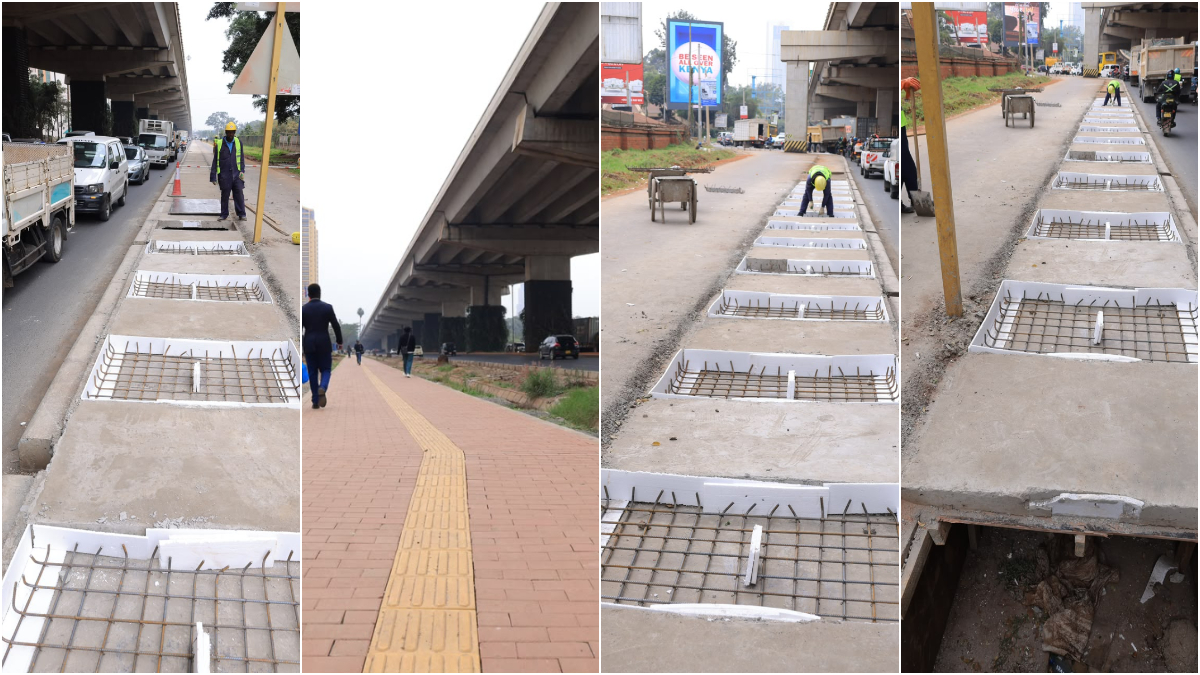
Extensive drainage expansion, road improvements and pedestrian walkway construction are underway along Mombasa Road, Uhuru Highway and Waiyaki Way as part of efforts to improve mobility, reduce flooding and modernise the city’s appearance.
Construction teams are widening drainage channels, installing concrete-lined storm-water systems and laying modern cabro-paved walkways stretching from Westlands through the CBD to South B. Landscaped boulevards are also being introduced, improving the city’s aesthetics while creating employment opportunities for hundreds of young people.
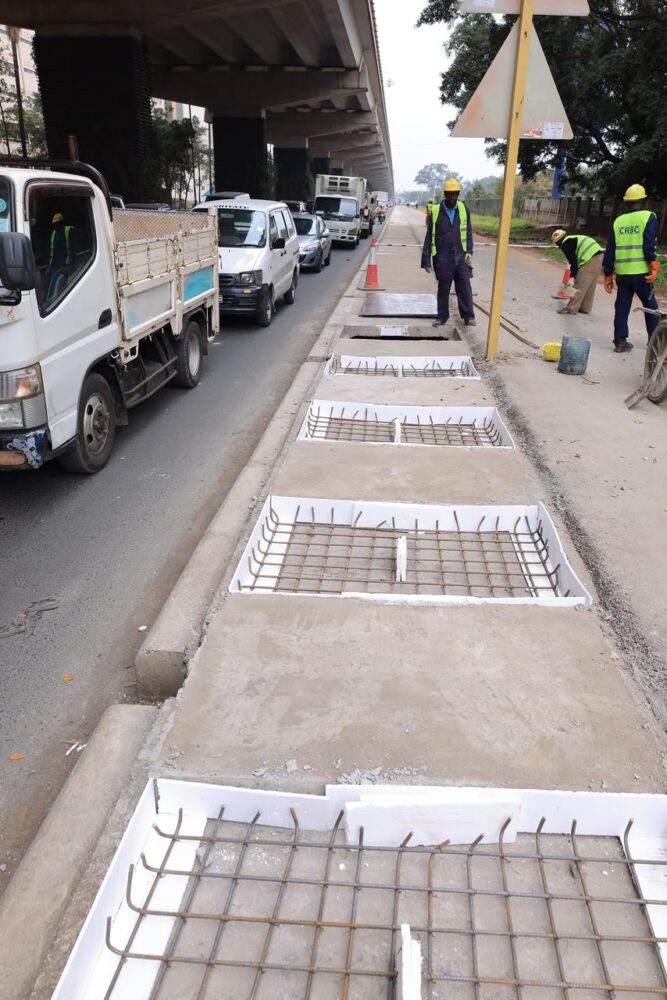
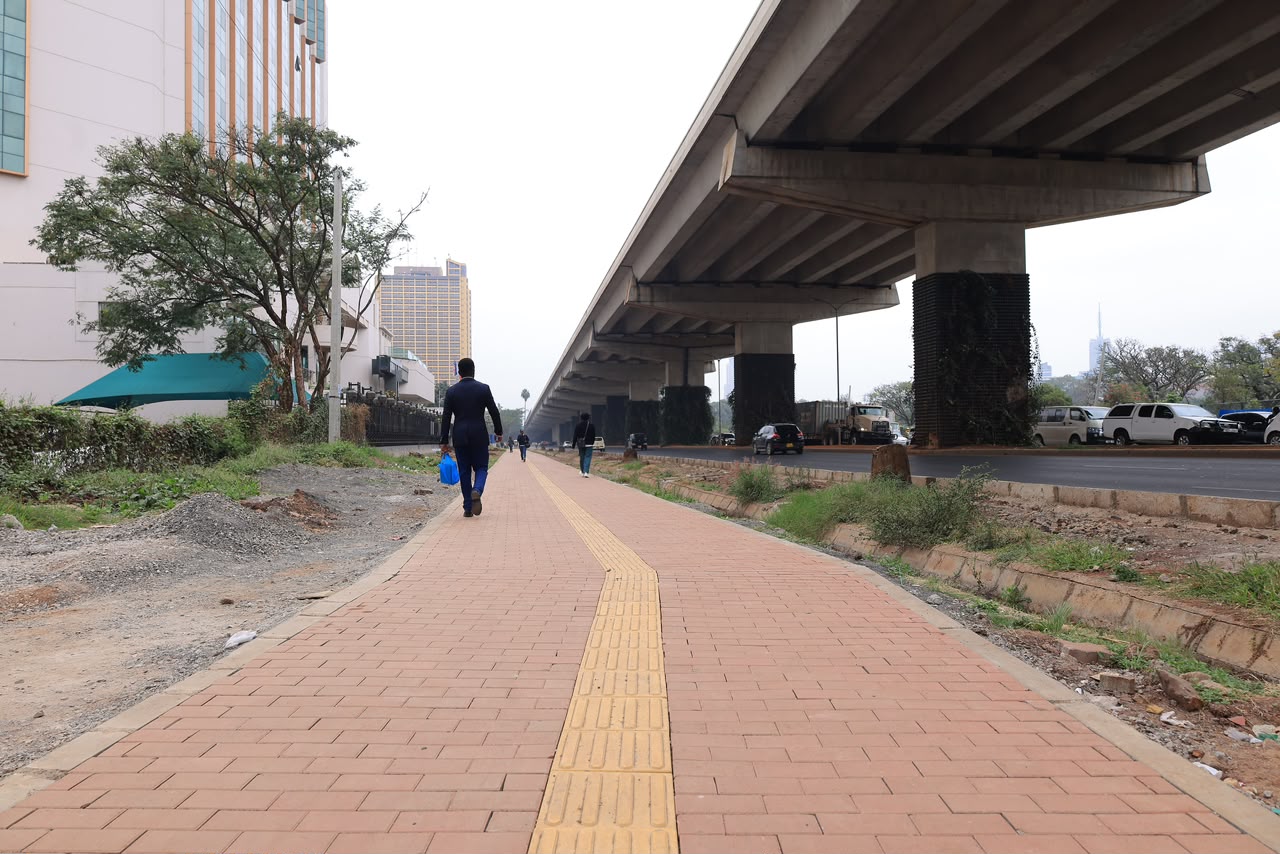
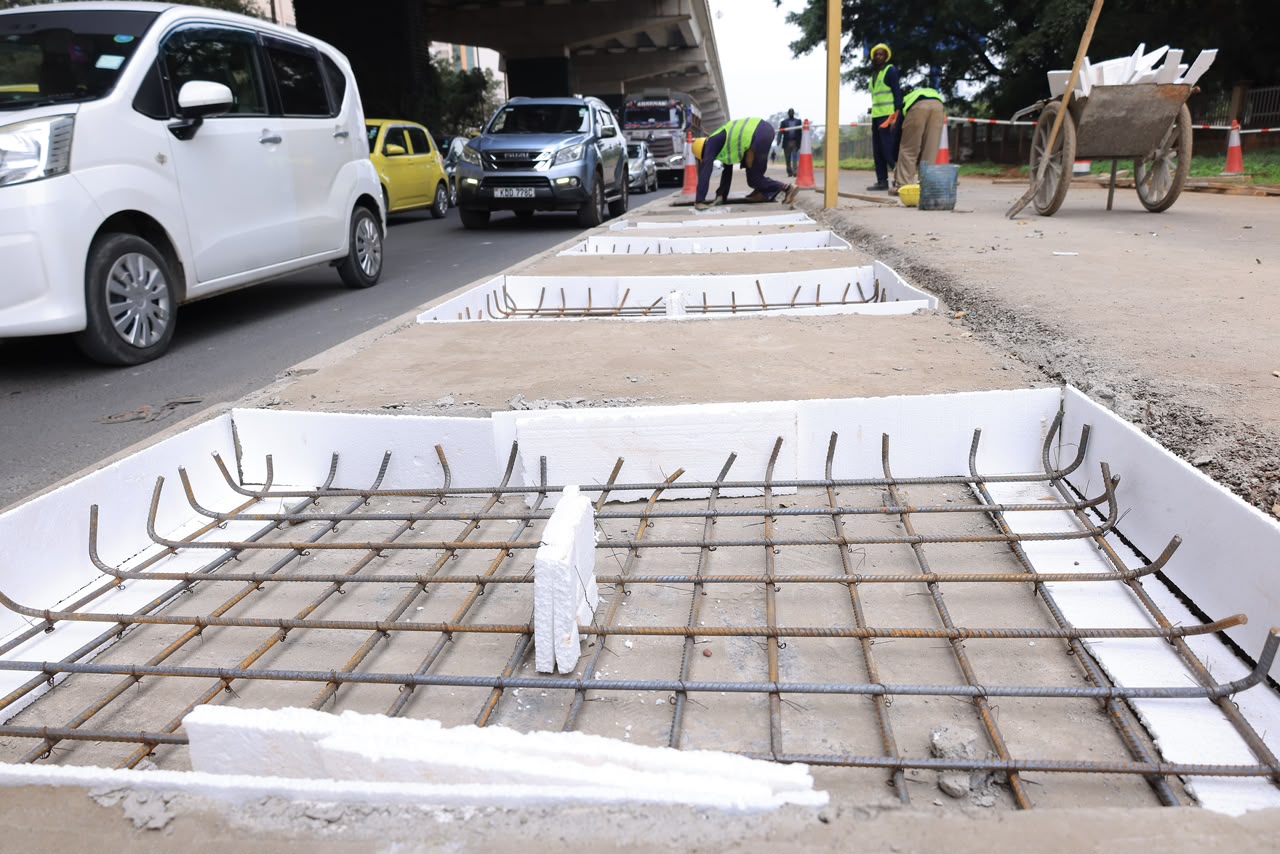
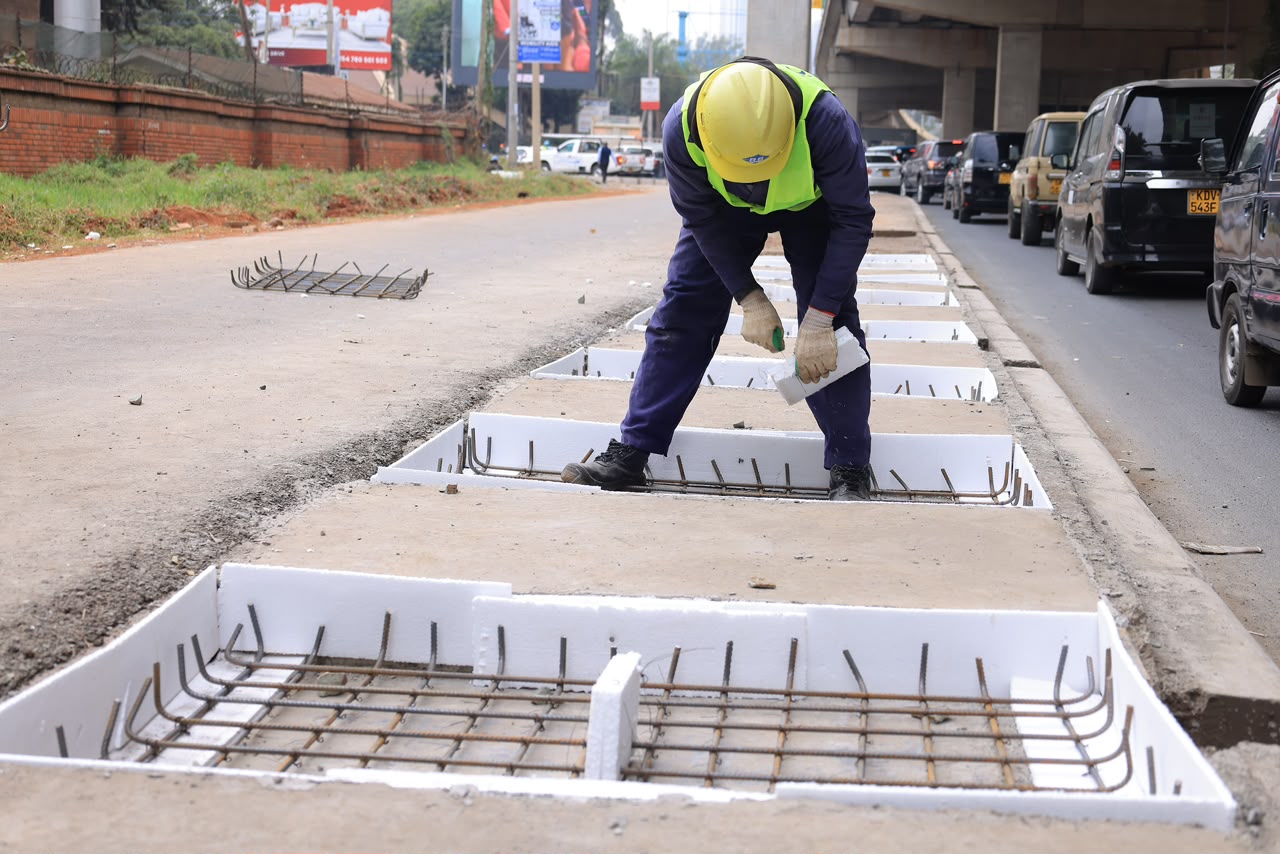
Governor Sakaja says the upgrades are designed to address decades of neglected infrastructure while giving Nairobi the image of a modern global city.
“Nairobi is Kenya’s capital and the country’s gateway to the world. Roads such as Mombasa Road, Uhuru Highway and Waiyaki Way are among the first places visitors see. We are investing in high-quality walkways, expanding drainage networks to minimise flooding and developing attractive boulevards that reflect the image of a modern, world-class city.”
Within the CBD, county engineers are replacing ageing pavements with modern interlocking cabro blocks along key commercial streets, including Mama Ngina Street, Kaunda Street, Standard Street and sections of Moi Avenue, creating safer, cleaner and more accessible pedestrian spaces.
Road infrastructure remains one of the flagship pillars of the cooperation framework.
The agreement targets the construction and rehabilitation of more than 300 kilometres of roads across Nairobi’s 85 wards. According to Governor Sakaja, more than 160 kilometres have already been completed or substantially rehabilitated.
Among the completed projects are the reconstruction of Wood Avenue in Kilimani, rehabilitation of roads in several residential estates and the completion of the Ngong Road–Naivasha Road Flyover nearly a year ahead of schedule.
Works are also progressing on Kasuku Road, Jabavu Road, Timau Road, Amboseli Road and several other strategic corridors.
Unlike previous road programmes, drainage expansion is being undertaken alongside road construction to protect the new infrastructure from flooding.
Flood mitigation has also become an urgent priority following forecasts of possible El Niño rains later this year.
Nairobi County has mapped flood-prone areas across all 17 sub-counties, identifying more than 52,000 households, representing over 340,000 residents, as vulnerable.
More than 100 emergency holding centres have been designated while county teams continue desilting drainage systems, dredging rivers, collecting waste and unclogging storm-water channels.
The cooperation agreement has also accelerated security reforms.
Kamukunji Police Station has been identified as the proposed headquarters of the Nairobi Metropolitan Police Unit (NMPU), a specialised policing model intended to improve coordination among security agencies and enhance protection of critical infrastructure.
Over the past two months, Governor Sakaja has joined senior National Government security officials on benchmarking missions to New York and London as Kenya finalises plans for the specialised metropolitan police service.
Street lighting, one of the agreement’s flagship commitments, is also moving into implementation.
Procurement of lighting equipment has been completed, with the first consignments expected in Nairobi within days. The programme targets the installation and rehabilitation of more than 100,000 street lights, with thousands already installed and full rollout expected to be completed by December.
The initiative is expected to improve public safety, support businesses and help establish Nairobi as a vibrant 24-hour economy.
Construction of the modern Gikomba Market is progressing, while City Park Market is undergoing major upgrades, including improved sanitation, modern utilities and a solar-powered cold room aimed at reducing post-harvest losses and improving food safety.
Environmental restoration has emerged as another defining pillar of the partnership.
The once-encroached Kibagare River has been restored to its natural course after illegal developments on riparian land were removed.
Plans are also underway to establish recreational parks at Kibagare, Chiromo and Kamukunji, while Globe Roundabout is being transformed into a modern public space featuring landscaped gardens, an iconic water fountain and elevated pedestrian walkways.
The programme has also intensified the demolition of illegal structures built on riparian land as authorities move to restore rivers, reclaim public spaces and reduce flooding.
Waste collection has intensified across Nairobi, with thousands of tonnes of garbage removed from estates over recent months as broader reforms in waste management and recycling take shape.
The water sector has also registered significant gains following the operationalisation of the Northern Collector Tunnel–Gigiri–Kabete gravity-fed transmission system, which is now delivering approximately 115,000 cubic metres of water daily.
The project is saving Nairobi Water an estimated Sh30 million every month in electricity costs and a further Sh500,000 in maintenance expenses.
The infrastructure drive has coincided with stronger county finances.
Nairobi recently recorded a historic Sh15.4 billion in own-source revenue—the highest since the advent of devolution—providing additional resources to support development programmes under the cooperation framework.
Beyond the projects already underway, the cooperation agreement has also laid the foundation for Nairobi’s most ambitious transport project yet—the Nairobi Metropolitan Mass Rapid Transit System (NMRTS).
Under Phase One, the metro line will connect the Central Business District to Eastlands, with underground sections extending to Westlands and Upper Hill. Financing is expected through a blend of government funding, pension funds and Transit-Oriented Development (TOD) investments.
Governor Sakaja says the metro system will dramatically improve mobility while strengthening Nairobi’s position as East Africa’s leading commercial hub.
“We cannot continue welcoming international investors and visitors only for them to spend two hours stuck in traffic. We will turn Nairobi into a 20-minute city, where you can get anywhere within 20 minutes.”
Following approval by the Nairobi County Executive Committee, the project now awaits National Government Cabinet approval before implementation begins.
While many flagship projects remain under construction, the first five months of the Ruto–Sakaja cooperation agreement have already changed the pace and scale of development in Kenya’s capital.