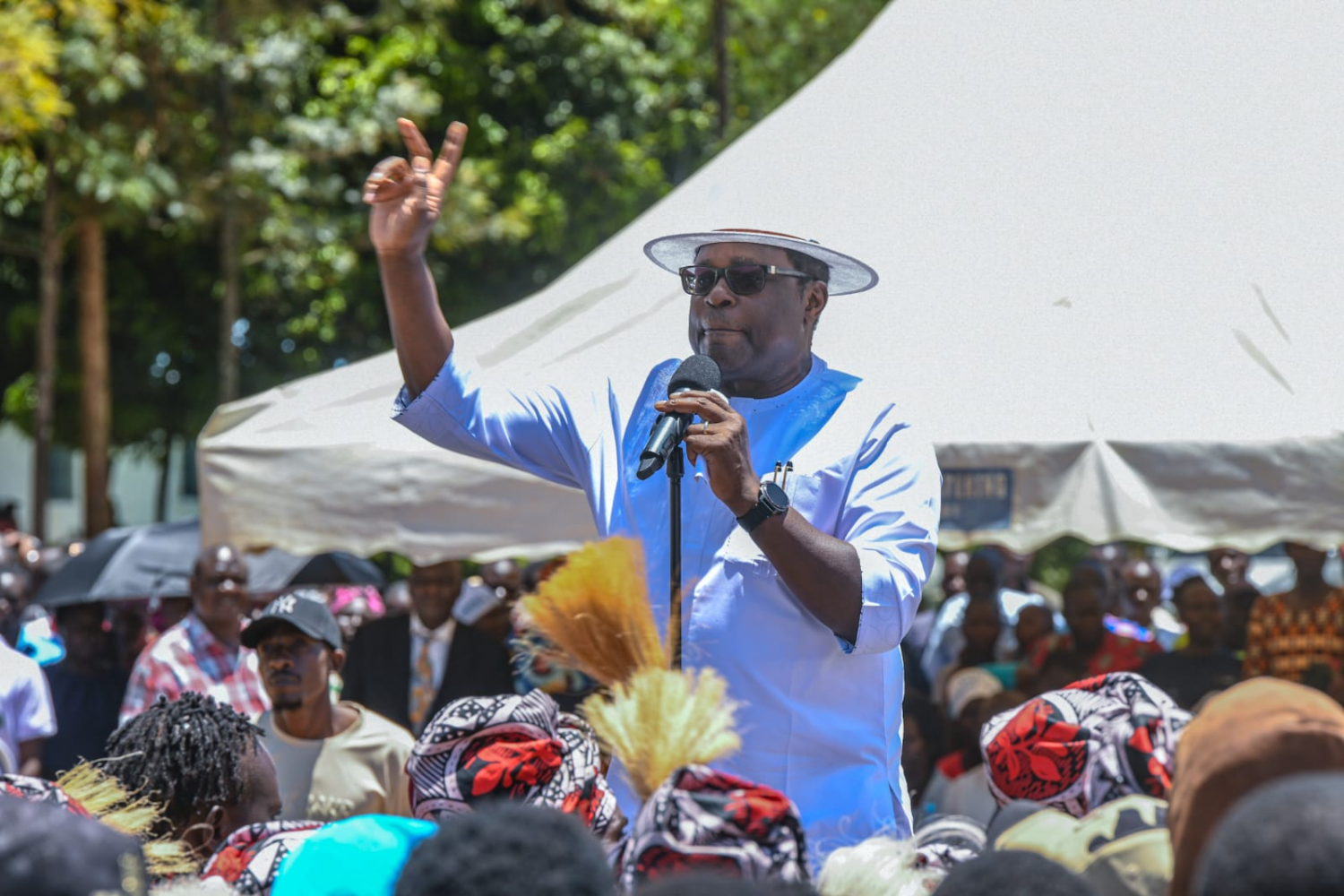

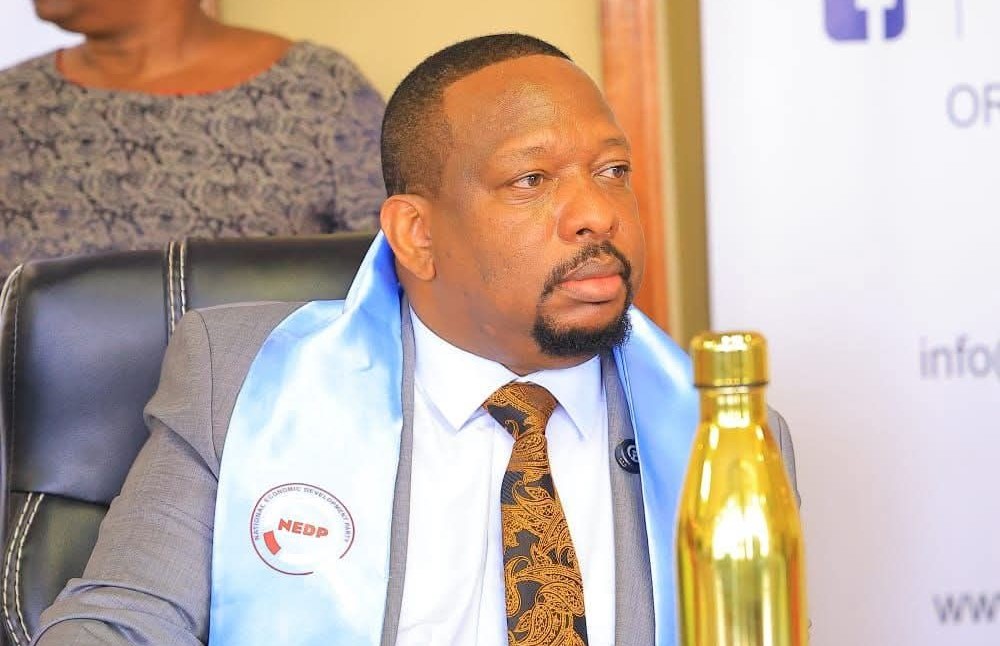
Former Nairobi Governor Mike Sonko has weighed in on Attorney General Dorcas Oduor’s latest advisory to the Supreme Court, in which she argues that the constitutional questions surrounding impeachment and its consequences are not entirely new.
The Attorney General told the Supreme Court that superior courts have already substantially dealt with the nature of impeachment, the extent of judicial review, and the eligibility of impeached officials to hold or seek public office.
Sonko, however, argues that impeached leaders should not be automatically barred from contesting elections before exhausting all available avenues of appeal or review.
Responding to the Attorney General’s position that the Supreme Court’s 2022 decision in Sonko v County Assembly of Nairobi City & 11 Others had already settled the legal consequences of impeachment, Sonko invoked Articles 99(3) and 193(3) of the Constitution. He argued that the provisions protect an individual from disqualification where an appeal or review against the decision forming the basis of the disqualification remains pending.
“If an impeached leader has an active appeal in court or a review based on new evidence, they should be allowed to vie,” Sonko argued, saying the Constitution requires legal remedies to be exhausted before the political consequences of removal are treated as final.
Sonko further cited Article 75(3), which provides for permanent disqualification from holding State or public office for persons removed from office for violating Chapter Six. He argued that the provision must be read together with constitutional safeguards on pending appeals.
In his interpretation, the permanent consequences should only take effect once an affected leader’s legal avenues have been exhausted.
“That means anyone who is impeached has a right to vie if they have an active case ongoing. That is what the Constitution says. If they don’t, then otherwise,” he said.
His argument comes as the Supreme Court considers the wider constitutional question of the eligibility of impeached leaders ahead of the 2027 General Election. The Attorney General has urged the court not to reopen what she considers settled questions, pointing to the Supreme Court’s 2022 Sonko judgment and arguing that specific eligibility disputes should instead be determined through concrete cases rather than an advisory opinion.
Sonko, however, maintains that the courts should distinguish between leaders whose impeachment cases have been finally determined and those who are still pursuing lawful remedies.
He pointed to the July 13, 2022, decision of the High Court in Mombasa, where Justices Olga Sewe, Stephen Githinji and Ann Ong’injo quashed the IEBC decision barring him from contesting the Mombasa gubernatorial election.
In delivering its determination, the three-Judge Bench affirmed that any interpretation of the Constitution must be undertaken in a manner that promotes constitutional values, human rights and the fundamental principles enshrined in the Bill of Rights, including, but not limited to, a State officer’s right to be heard and a citizen’s right to vote for their preferred leaders.
The court held that because his challenge to his impeachment was still pending before the Supreme Court, he had not exhausted his legal avenues and could therefore benefit from the protections under Article 193(3) and Section 25(3) of the Elections Act.
The Mombasa ruling, however, was overtaken two days later when the Supreme Court dismissed Sonko’s appeal against his impeachment. The IEBC subsequently revoked his nomination certificate on July 18, 2022.
Sonko later sought a review of the Supreme Court decision, but the Supreme Court dismissed that application in 2024.
Sonko argues that, despite what happened in his case, the Mombasa judgment remains relevant to the current constitutional debate because it addressed the distinction between an impeached leader whose legal remedies remain active and one whose avenues of appeal have been exhausted.
Sonko further draws from the Court’s reasoning and reiterates that the Constitution must be interpreted as one harmonious document. Accordingly, Article 75 cannot be read in isolation from Article 193, which was deliberately enacted to afford protection to a citizen whose matter remains pending on appeal or review.
“We cannot selectively interpret the law or keep shifting the goalposts depending on who is affected,” Sonko said. “Ultimately, the people should have the right to choose their leaders.”
He urged the Attorney General, the Supreme Court and other institutions to uphold what he considers to be the constitutional protection of political rights until all lawful remedies have been exhausted.
“Stop playing with our minds. Uphold the Constitution, respect the courts, and let the people decide,” he said.