I spent most of last night and today flipping through US TV channels, trying to follow one of the most consequential elections in history. Needless to say, the ruling Republicans have ‘seen very bad things.’ The Democrats have officially taken control of both the US House of Representatives and the US Senate, ending the Republican trifecta that began in January 2025 when President Donald Trump was sworn in for a second term. In Kenyan terms, the Democrats, the equivalent of the United Opposition, now hold the majority of the seats in both chambers of the legislature. This will cripple Trump’s legislative agenda, since his rivals control both chambers. Why does this matter to us? Consider our own Executive and Legislature, and their relationship over the last four years. President William Ruto has had the Senate and the National Assembly wrapped around his finger since his UDA party holds the majority in both houses. This has helped him pass some contentious laws such as the Finance Bill 2024, which led to mass protests by Gen Zs in June that year and in the years after. Take that power away, and he would be unable to get things done. President Trump has alluded to using his veto powers to get around the new hurdles, but this rarely ends well for incumbents. Back home, President Ruto continues to face growing public dissatisfaction and criticism over the high cost of living, inflation, corruption, and extrajudicial killings, to name a few. With the General Election just nine months away, Kenyans have lessons to learn from the Americans, from whom they extensively borrow, including the 2010 Constitution. First, it is possible to wound the Executive and render it toothless, whether or not the president is reelected. That would require the opposition to hold 50 percent plus one of both the National Assembly and the Senate. It may not play out so neatly, though: politicians aren’t so honorable and could be bought off in the washroom corridors of parliament, as has been reported previously. Second, Kenyans have every right to be angry. They have every right to call out their president, MPs, and any other elected official, and even recall them. But the difference between the Americans and us is that we underestimate ourselves. Whereas they took their anger over the war in Iran and the high cost of living to the ballot. We take ours to the streets, in khaki combat trousers with a bottle of water, and then online for a few clicks. The discontent and exasperation Kenyans show online is good for situational awareness and eyeballs, but it doesn’t translate to anything beyond that. For the change they truly desire, Gen Zs must come out and vote because that is where the real power is. The government, too, has a lesson to learn. President Ruto must not be oblivious to the true picture on the ground. His administration has been too focused on documenting its achievements, mainly the Affordable Housing Program, that it has missed how far the purchasing power of its constituents has fallen. According to the KNBS, consumer purchasing power has plummeted because of inflation, which peaked at 7.3 percent. This has kept the national poverty rate at about 40 percent. There is also a deficit in formal job creation, and aggressive fiscal policies to meet revenue targets have heavily strained average household budgets. It is not too gloomy for the government because there is still time. Nine months is long enough to turn things around before the August 8 General Election. It is also long enough for Kenyans to decide what they will do with their votes.
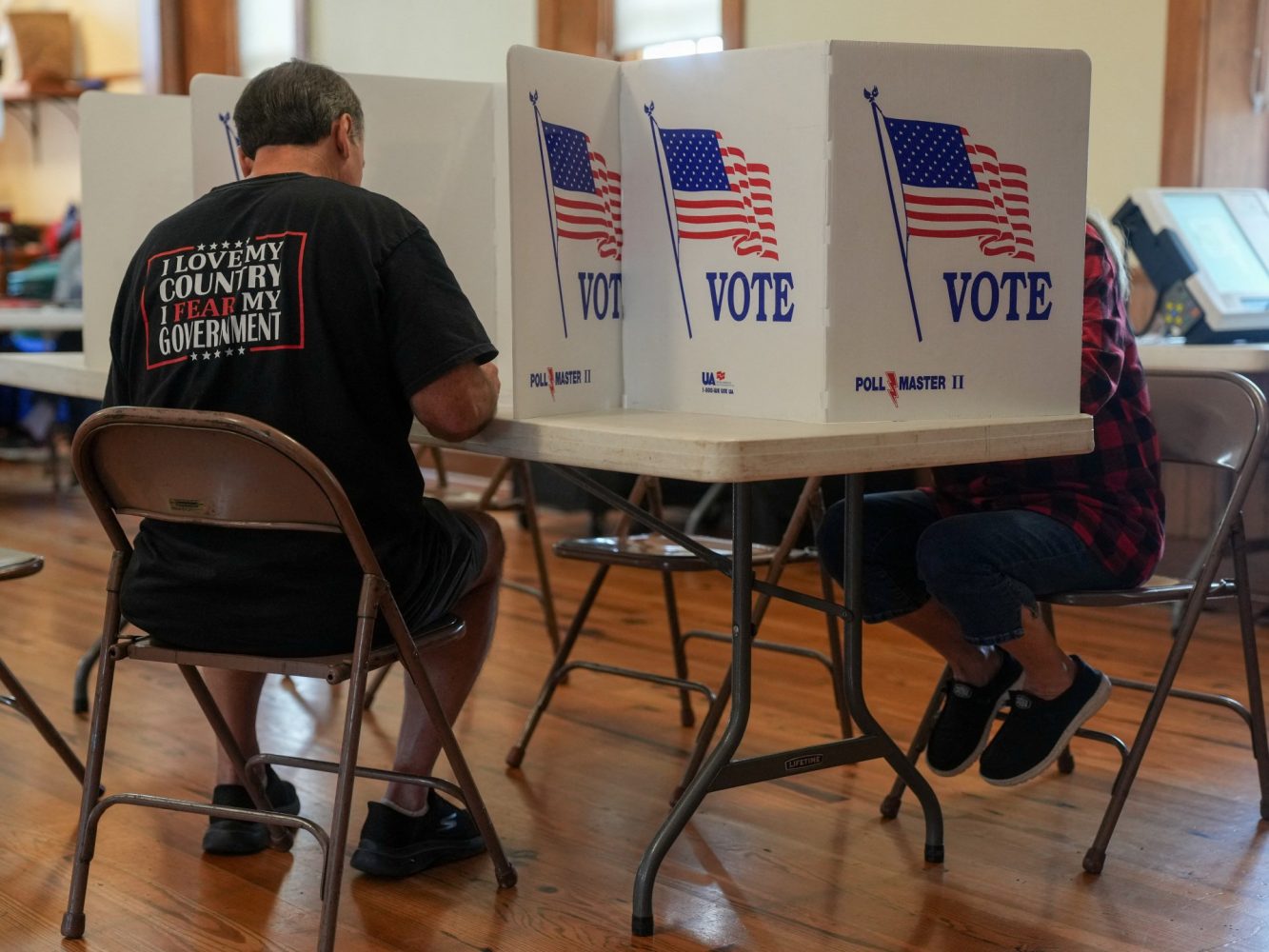
I spent most of last night and today flipping through US TV channels, trying to follow one of the most consequential elections in history. Needless to say, the ruling Republicans have ‘seen very bad things.’ The Democrats have officially taken control of both the US House of Representatives and the US Senate, ending the Republican trifecta that began in January 2025 when President Donald Trump was sworn in for a second term. In Kenyan terms, the Democrats, the equivalent of the United Opposition, now hold the majority of the seats in both chambers of the legislature. This will cripple Trump’s legislative agenda, since his rivals control both chambers. Why does this matter to us? Consider our own Executive and Legislature, and their relationship over the last four years. President William Ruto has had the Senate and the National Assembly wrapped around his finger since his UDA party holds the majority in both houses. This has helped him pass some contentious laws such as the Finance Bill 2024, which led to mass protests by Gen Zs in June that year and in the years after. Take that power away, and he would be unable to get things done. President Trump has alluded to using his veto powers to get around the new hurdles, but this rarely ends well for incumbents. Back home, President Ruto continues to face growing public dissatisfaction and criticism over the high cost of living, inflation, corruption, and extrajudicial killings, to name a few. With the General Election just nine months away, Kenyans have lessons to learn from the Americans, from whom they extensively borrow, including the 2010 Constitution. First, it is possible to wound the Executive and render it toothless, whether or not the president is reelected. That would require the opposition to hold 50 percent plus one of both the National Assembly and the Senate. It may not play out so neatly, though: politicians aren’t so honorable and could be bought off in the washroom corridors of parliament, as has been reported previously. Second, Kenyans have every right to be angry. They have every right to call out their president, MPs, and any other elected official, and even recall them. But the difference between the Americans and us is that we underestimate ourselves. Whereas they took their anger over the war in Iran and the high cost of living to the ballot. We take ours to the streets, in khaki combat trousers with a bottle of water, and then online for a few clicks. The discontent and exasperation Kenyans show online is good for situational awareness and eyeballs, but it doesn’t translate to anything beyond that. For the change they truly desire, Gen Zs must come out and vote because that is where the real power is. The government, too, has a lesson to learn. President Ruto must not be oblivious to the true picture on the ground. His administration has been too focused on documenting its achievements, mainly the Affordable Housing Program, that it has missed how far the purchasing power of its constituents has fallen. According to the KNBS, consumer purchasing power has plummeted because of inflation, which peaked at 7.3 percent. This has kept the national poverty rate at about 40 percent. There is also a deficit in formal job creation, and aggressive fiscal policies to meet revenue targets have heavily strained average household budgets. It is not too gloomy for the government because there is still time. Nine months is long enough to turn things around before the August 8 General Election. It is also long enough for Kenyans to decide what they will do with their votes.
Kenya will host the 2026 Rugby Africa Women’s Sevens Championship on November 7 and 8 at the RFUEA Grounds in Nairobi, with 11 national teams set to compete for the…




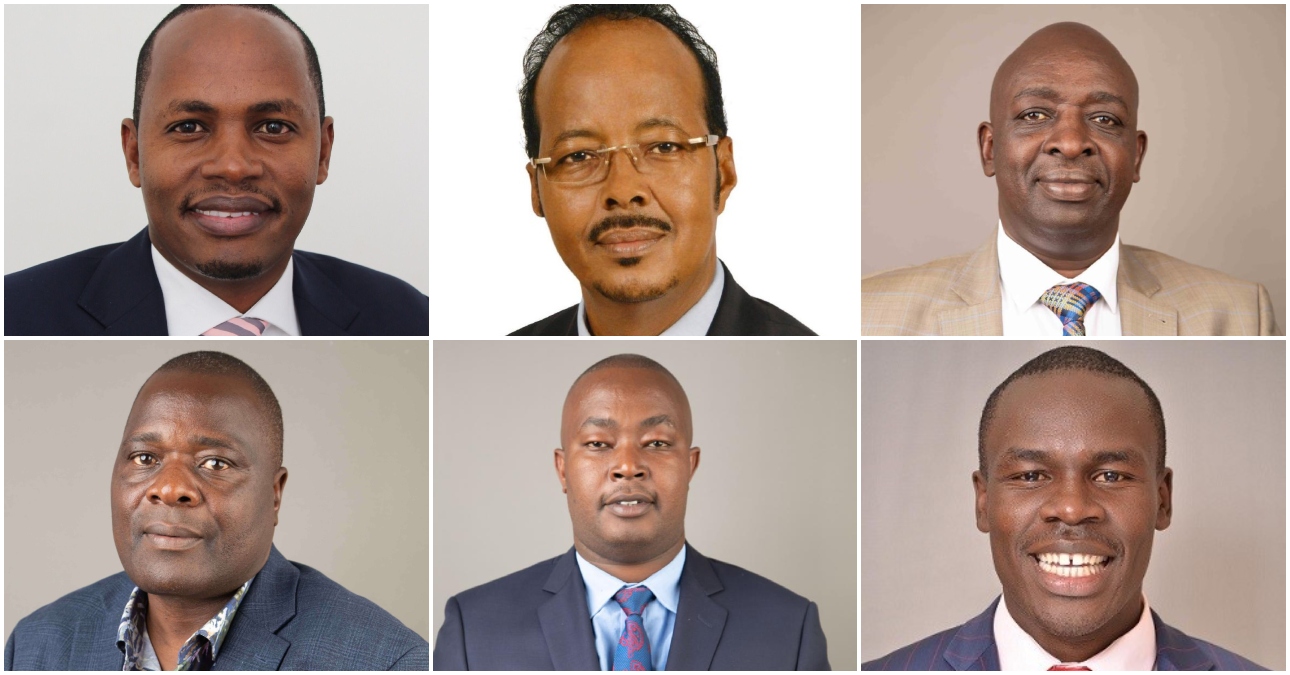
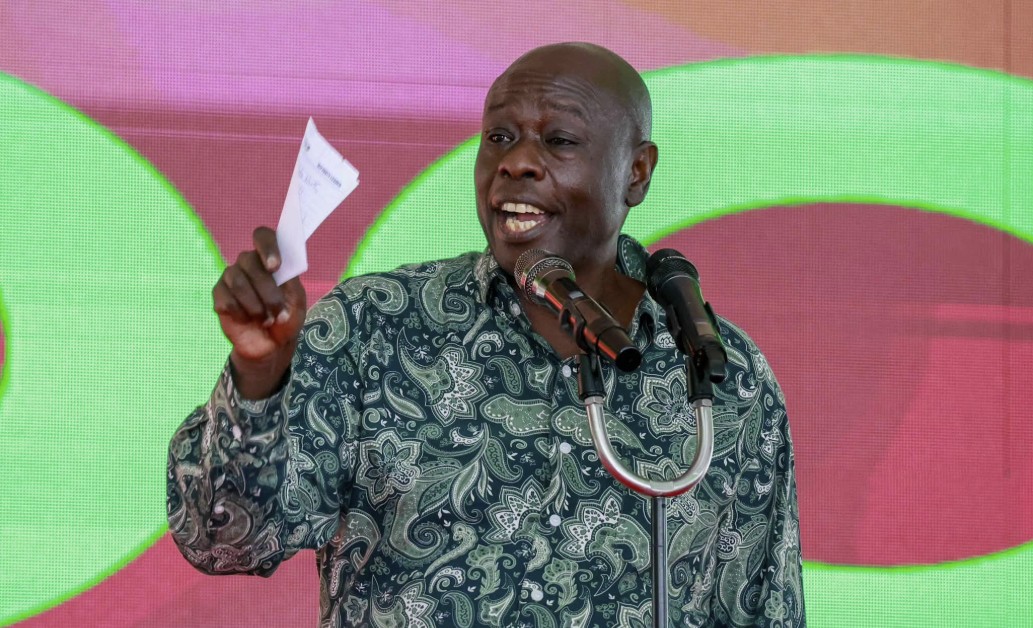
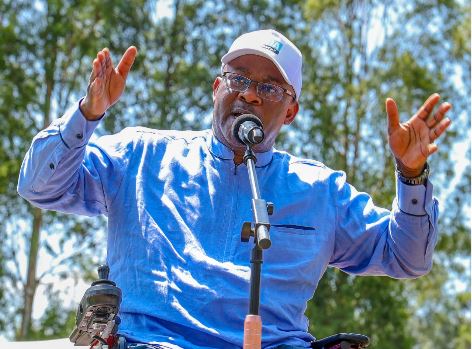
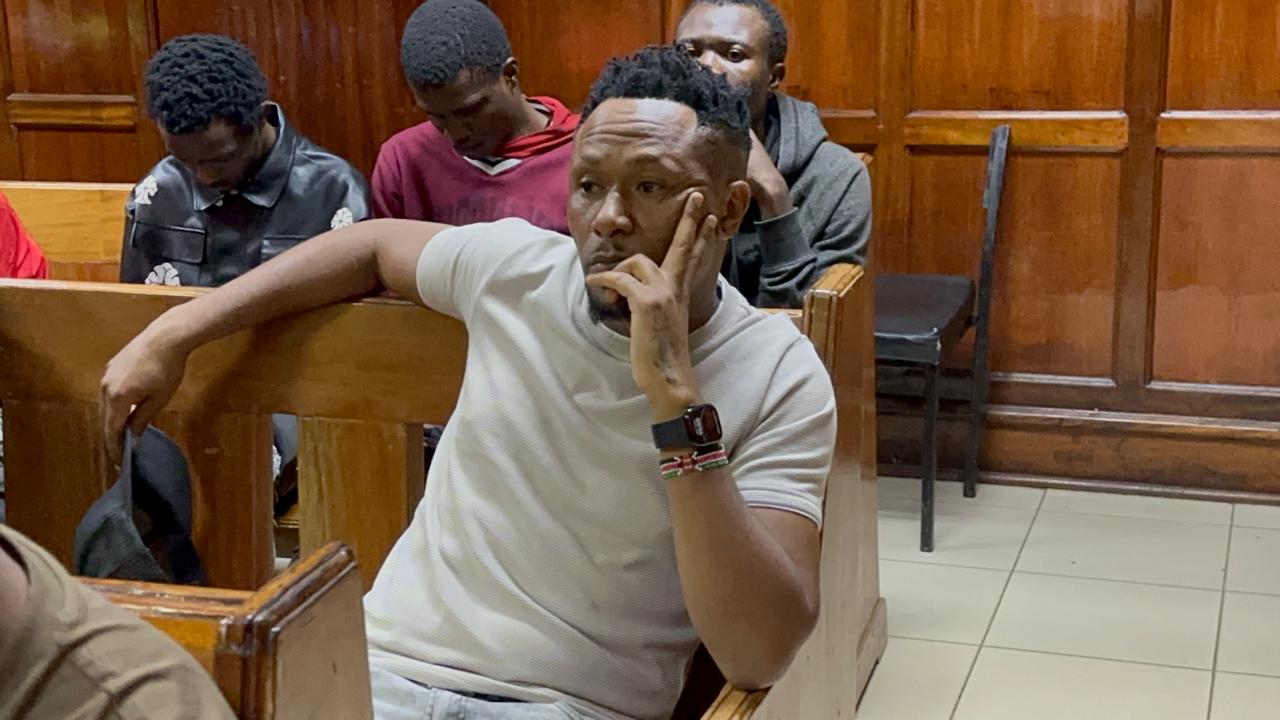


The High Court has ordered top security chiefs to produce missing Nairobi lawyer…

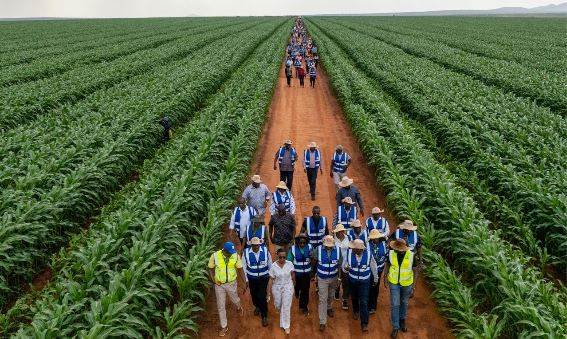

Former Attorney General Paul Kihara, who died on November 3 aged 72, has been cremated in Nairobi in accordance with his final wishes. Kihara was…

 Opinion

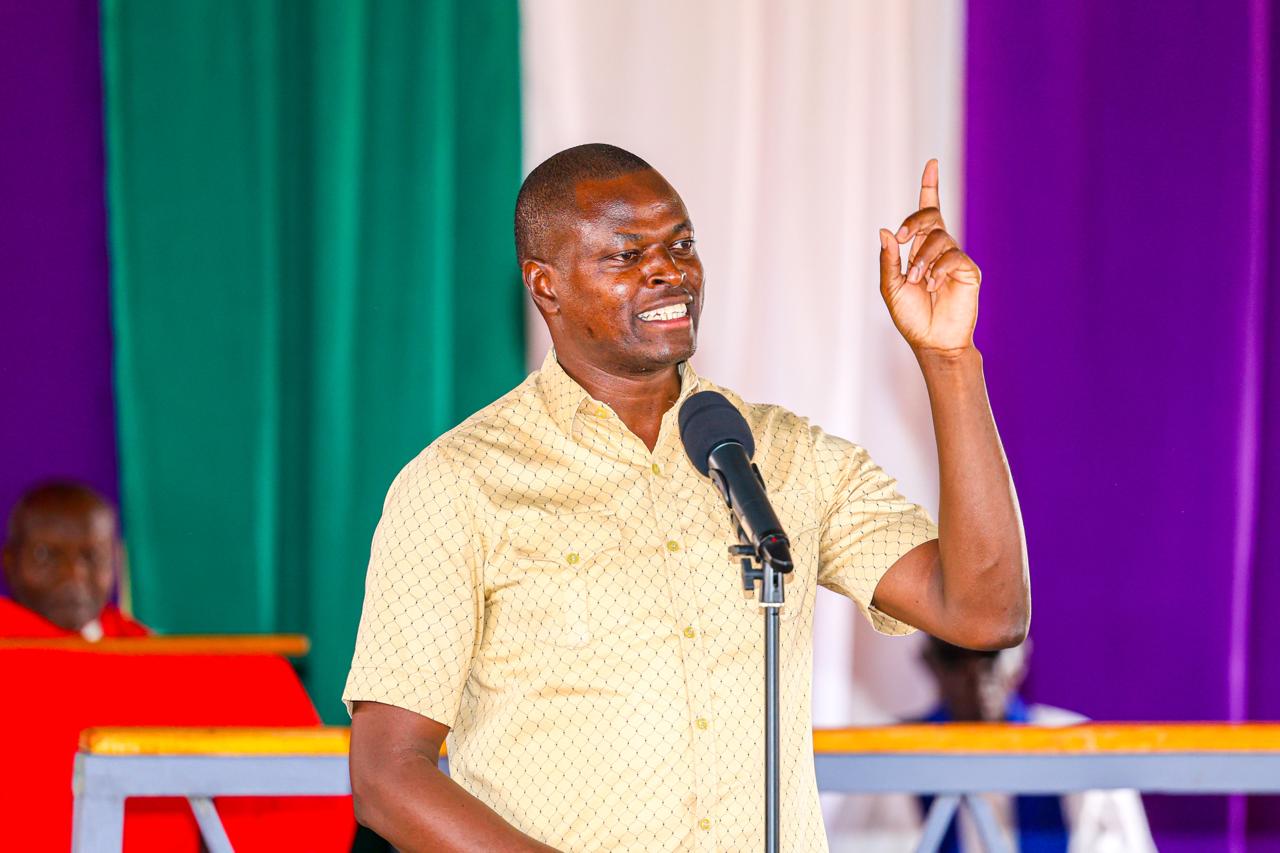



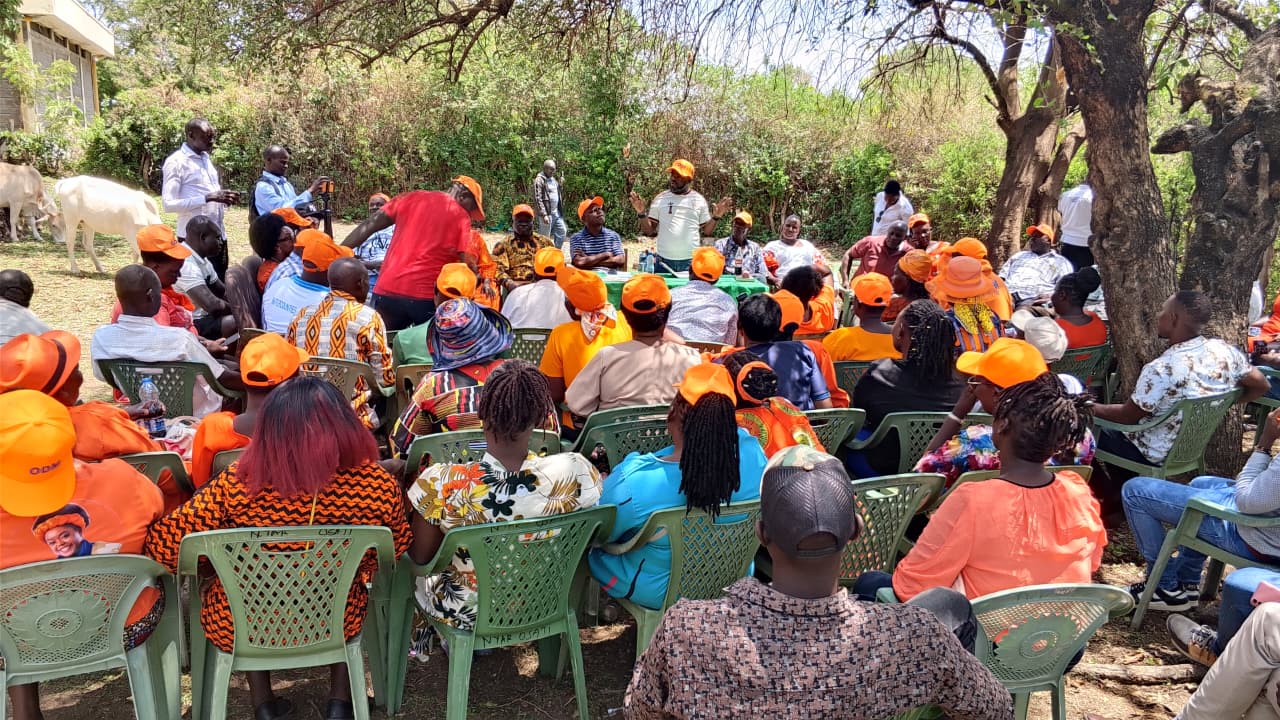
ODM Suba North branch has began engaging the fisher fork community in voter registration ahead of the 2027 general elections. Due to the frequent movements from one beach to another, a good number at the lake shores do not have IDs, ranking the constituency among the lowest in the county…



The KCB Mobile App puts your account, bills, airtime, loans and savings in one place, so most of those errands become a few taps. This guide walks you through downloading…

Business Ireland Kenya (BIK) has rebranded as the Irish Chamber of Commerce Kenya, with a…

Potato farmers in Elgeyo Marakwet County have raised concerns over what they describe as exploitation…

Farmers are being urged to embrace drone technology to access vital agricultural and weather-related information…
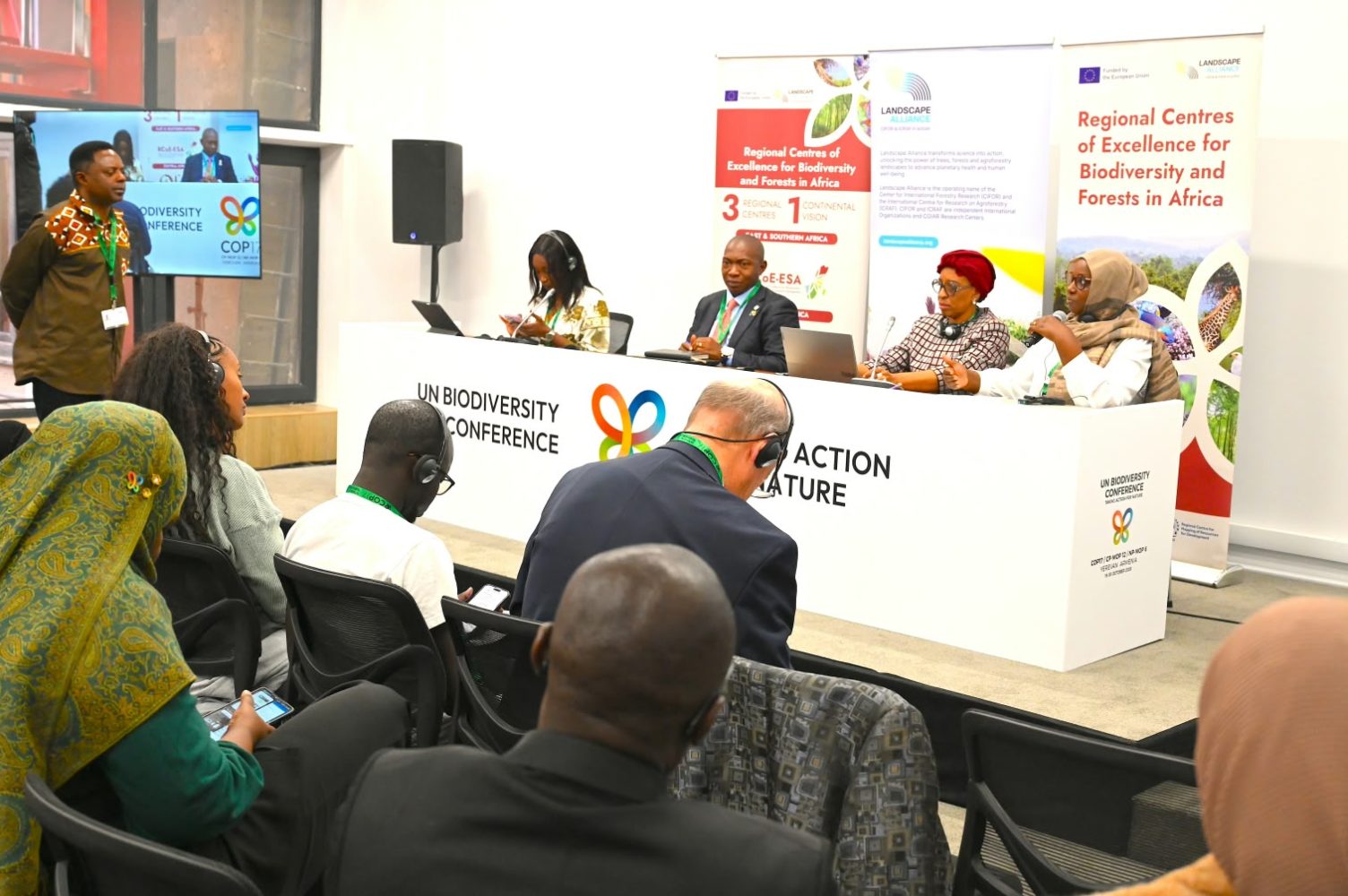
African countries have been urged to strengthen their institutions, invest in reliable biodiversity data and mobilise sustainable financing to accelerate…

Pope Leo XIV has been diagnosed with lung adenocarcinoma which, according to the National Health Institute, is the most common…

Young people from 43 countries gathered in Seoul, South Korea for an international peace programme aimed at promoting peaceful coexistence,…


Detectives from the National Anti-Narcotics Investigations Bureau (NANIB) Bungoma, working with DCI Webuye West, have seized 170.8 kilograms of cannabis…
Read More
Popular gospel DJ and media personality Samuel Muraya, popularly known as DJ Mo, has been arraigned in court over multiple…
Read More
A police inspector has been charged with the murder of Dr Victoria Nthunya Mutiso, whose killing is alleged to have…
Read More
The High Court has ordered top security chiefs to produce missing Nairobi lawyer Abshir Ahmedsadak Abdi, live or dead, before…
Read More
Police officers from Korogocho Police Station have arrested a suspect linked to phone-snatching incidents in the area, following information shared…
Read More
Manchester City are set for a challenging UEFA Champions League encounter tonight, Wednesday, November 4, 2026, when they take on…
Read More
Yala Swamp residents have threatened to sue Siaya Governor James Orengo over his failure to act on petitions regarding a…
Read More Opinion